
Home / Products / Core Stacking & Assembly Lines

Core Stacking & Assembly Lines Manufacturer

Contact Us
About Us
Jiangsu Jingtianxia Electric Technology Co., Ltd.
Jiangsu Jingtianxia Electric Technology Co., Ltd. is a leading and competitive enterprise in the domestic industry, specializing in the R&D, production, and supply of core power supporting products. Our main product portfolio covers transformer cores, intelligent transformer core stacking equipment, core transverse cutting machines, intelligent workshop warehousing systems, and automated logistics production lines. Staffed with more than 46 professional technical talents, the company boasts solid technical accumulation and a mature production system. As China Core Stacking & Assembly Lines Manufacturer and Custom Core Stacking & Assembly Lines Factory, Focusing on the electric power industry, we continuously provide high-quality, high-precision, and intelligent one-stop supporting solutions for global customers.
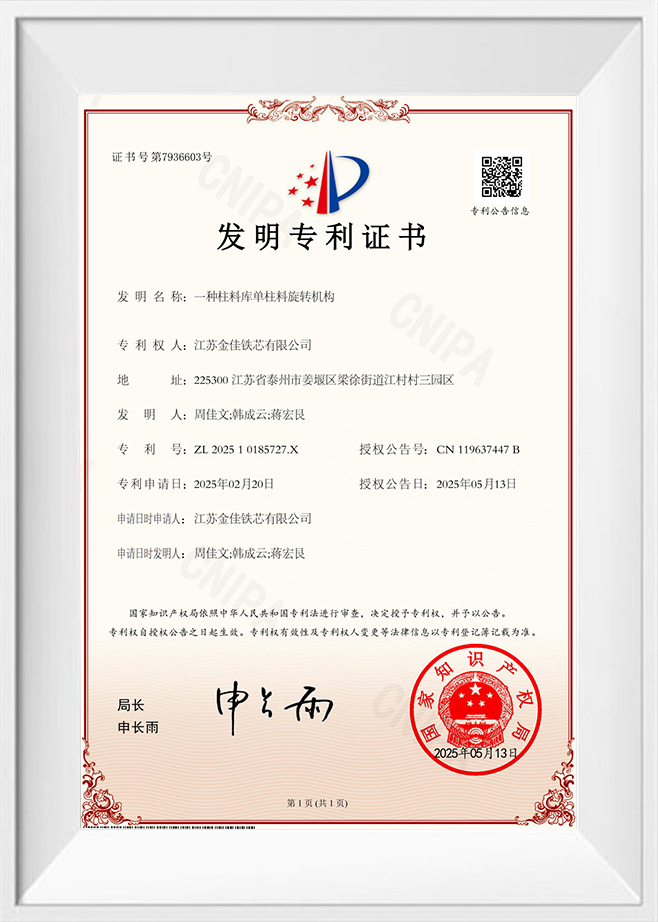
Certificate of Honor
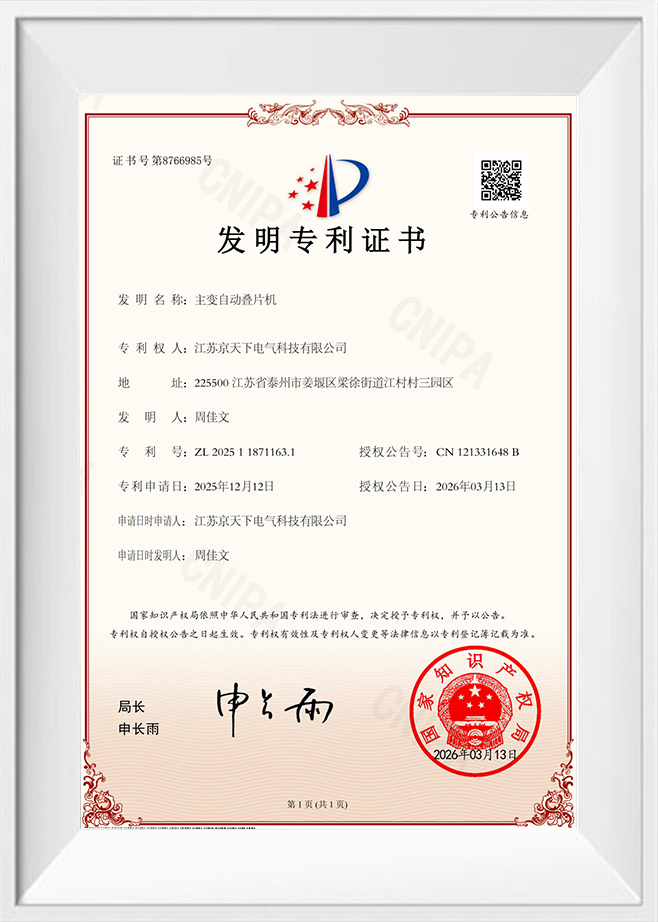
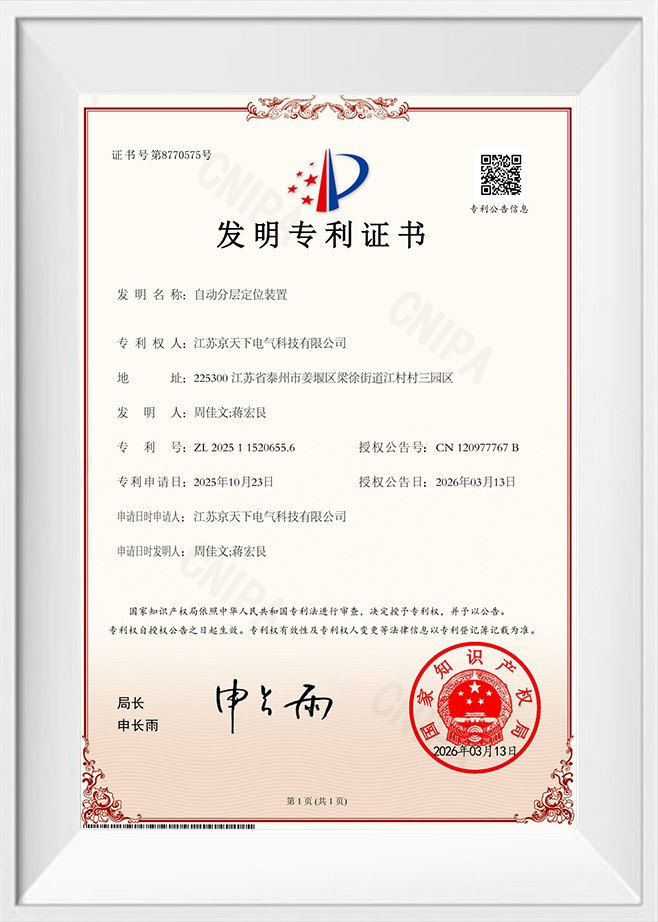
  • Patent Certificate
  • Patent Certificate
  • Patent Certificate
  • Patent Certificate
  • Patent Certificate
  • Patent Certificate
  • Patent Certificate
  • Business License
News
Message Feedback
Core Stacking & Assembly Lines Industry knowledge

How Does a Core Stacking System Work?

In modern electrical equipment manufacturing, the precision and efficiency of transformer and motor core production directly determine the performance, reliability, and cost-effectiveness of the final products. At the heart of this production process lies the core stacking & assembly lines, a sophisticated integration of mechanical handling, optical inspection, and automated control systems. This article provides a comprehensive technical explanation of how a core stacking system operates, breaking down its core principles, key equipment modules, and the critical role it plays in large-scale industrial manufacturing.

1. Fundamental Principles of Core Stacking

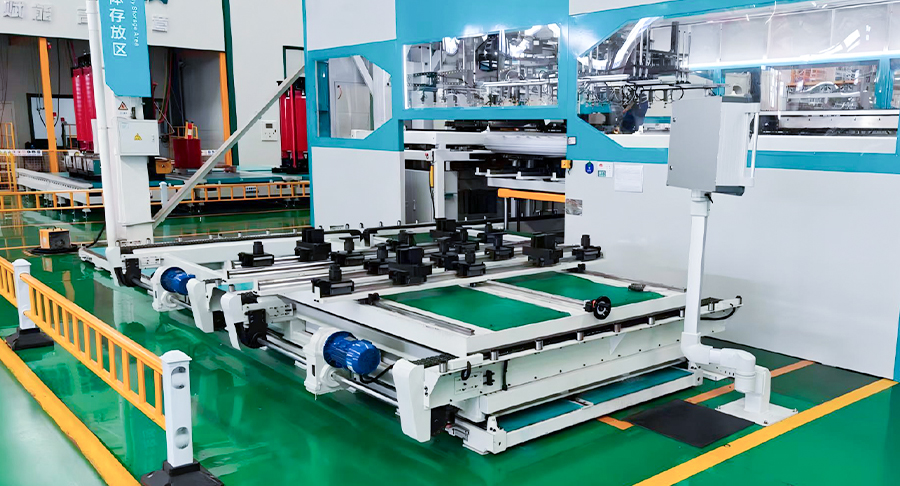
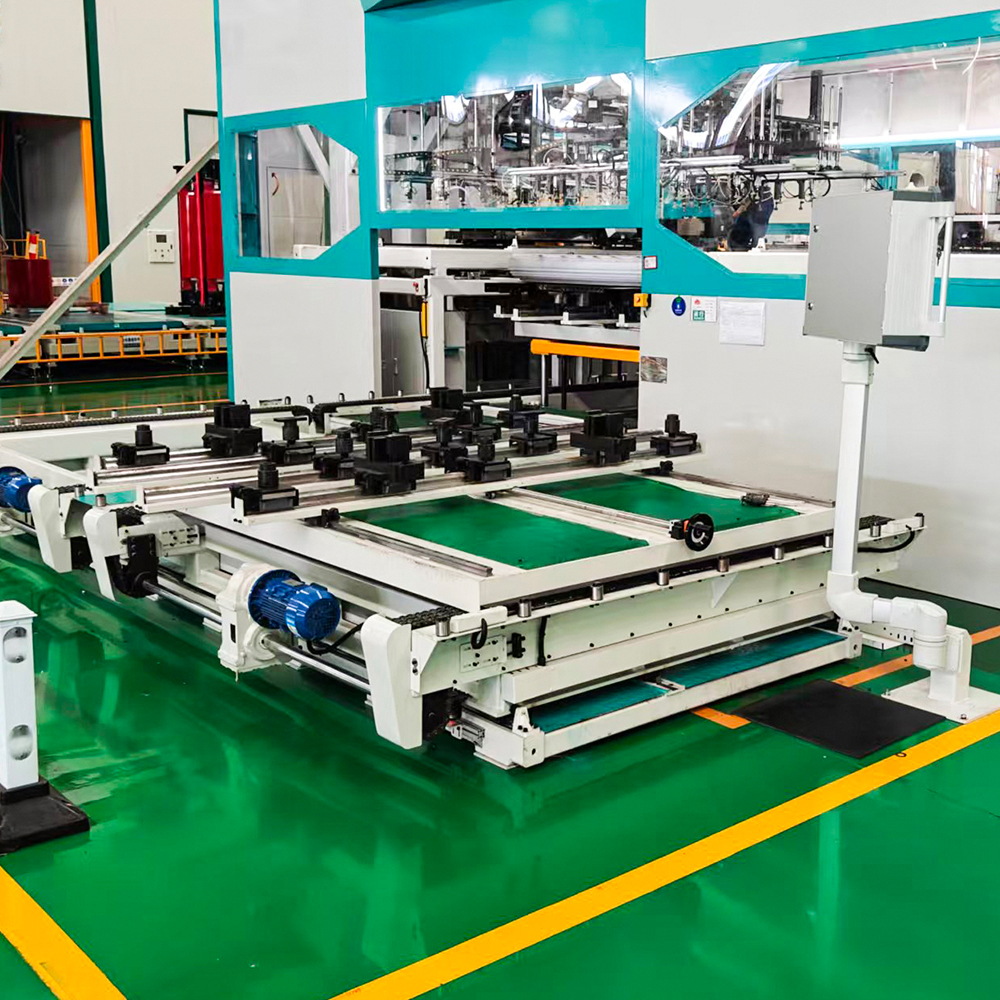
A core stacking & assembly lines system is designed to transform individual thin sheets of electrical steel—commonly known as laminations—into a solid, dimensionally accurate laminated core. The fundamental challenge is that each lamination must be stacked in a precise sequence and orientation to minimize eddy current losses and ensure magnetic flux uniformity. The system typically begins with a core stacking & assembly lines feed unit that receives pre-cut or slit laminations from a transverse cutting machine. These laminations are then conveyed to a stacking station where robotic arms or servo-driven pick-and-place units handle each sheet.

The working cycle of a typical system can be broken down into four sequential phases: feeding, orientation detection, stacking, and consolidation. During the feeding phase, laminations are singulated and aligned using vibration feeders or conveyor belts. In the orientation detection phase, optical sensors or machine vision cameras identify the burr side, notch positions, and any surface defects. The stacking phase involves precise placement of each lamination onto a growing stack, often using vacuum grippers to avoid scratching the material. Finally, the consolidation phase uses welding, interlocking, or adhesive bonding to secure the stack into a single rigid unit. This entire workflow is orchestrated by a programmable logic controller (PLC) that synchronizes all moving parts with micron-level accuracy.

2. Core Equipment Modules and Their Functions

To understand how a core stacking system works, it is essential to examine its main modules. Each module contributes a specific function, and their seamless integration defines the overall system performance. Below is a breakdown of the four primary modules found in modern core stacking & assembly lines:

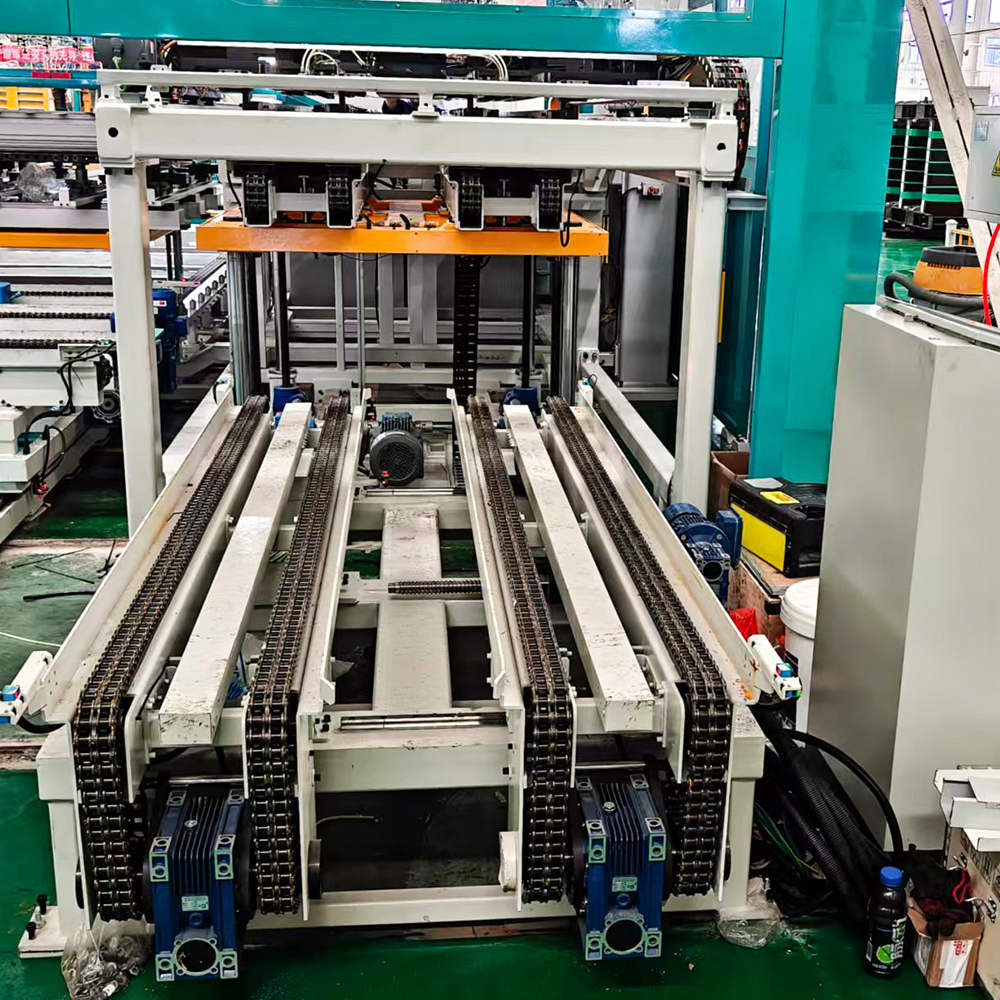
  • Feeding and Singulation Module: This unit receives bulk laminations from magazines or conveyor belts. It uses air blowers and mechanical separators to ensure that only one lamination at a time enters the stacking area. High-speed feeding rates can reach up to 60 pieces per minute, depending on lamination thickness and size.
  • Vision and Inspection Module: Equipped with high-resolution cameras and backlighting, this module checks each lamination for dimensional tolerances, burr height, and surface flatness. Any lamination that fails the inspection is automatically rejected into a separate bin, preventing defects from propagating into the final core.
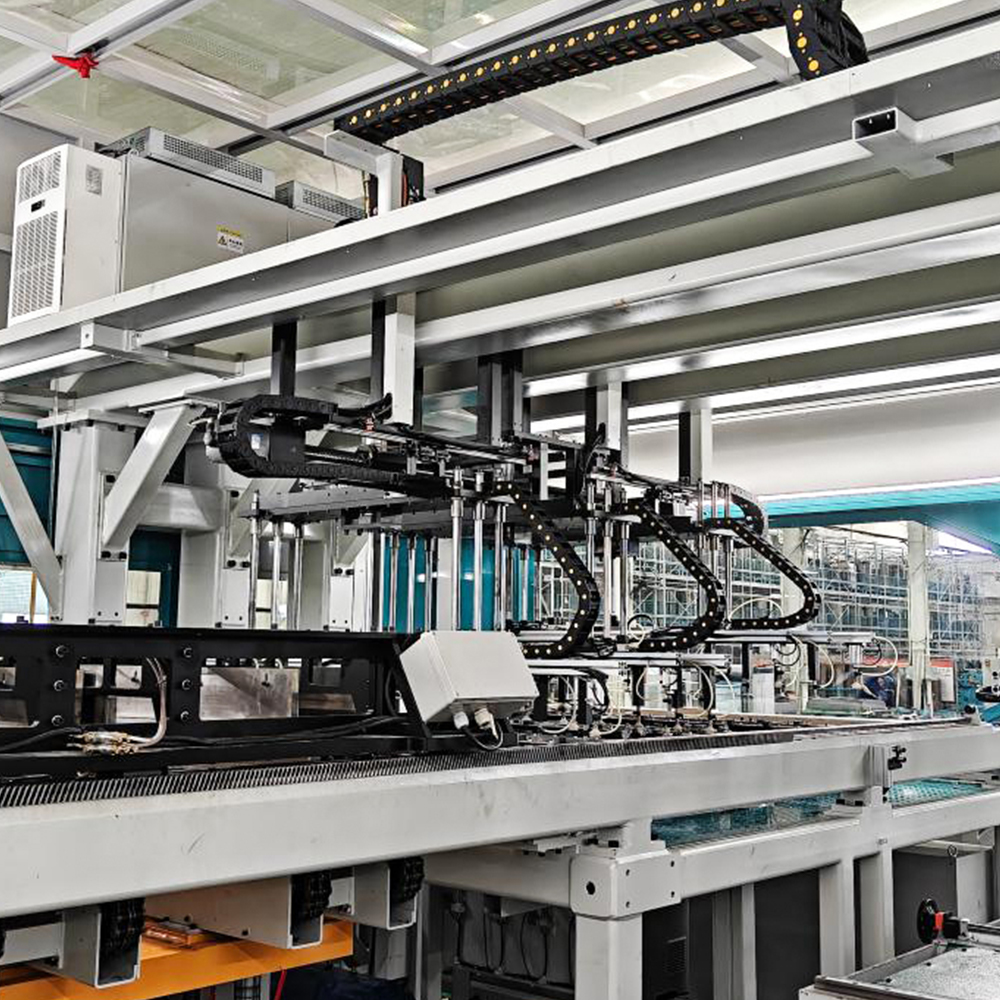
  • Stacking and Positioning Module: This is the core of the system. A servo-driven gantry or SCARA robot picks each inspected lamination and places it onto a stacking fixture. The fixture often includes guide pins that match the holes in the laminations, ensuring rotational alignment. For transformer cores with multiple legs, the system may stack each leg separately before joining them.
  • Consolidation and Ejection Module: Once the target stack height (measured by layer count or optical height sensor) is reached, the module applies one of three consolidation methods: TIG welding at multiple points, mechanical interlocking using punch marks, or adhesive curing with UV or thermal bonding. The finished core is then ejected onto an outgoing conveyor for further processing or packaging.

The coordination between these modules is critical. For instance, if the vision module detects a misaligned lamination, the stacking module must adjust its placement trajectory in real time. Leading manufacturers like Jiangsu Jingtianxia Electric Technology Co., Ltd. have developed proprietary software algorithms that enable such adaptive control, making their core stacking & assembly lines particularly robust for high-mix, low-volume production environments.

3. Classification of Core Stacking Systems

Based on the configuration and application, core stacking & assembly lines can be divided into three major categories. Each category serves distinct production requirements, from high-speed mass production to flexible prototyping. The following subsections provide an in-depth analysis of each type.

3.1 In-Line Integrated Stacking Systems

In-line integrated systems are directly connected to the upstream slitting or transverse cutting line. As soon as laminations are cut, they are immediately fed into the stacking unit without intermediate storage. This design minimizes material handling and reduces the risk of edge damage. The defining feature of in-line systems is their synchronization speed—they operate at the same cycle rate as the cutting machine, typically between 40 and 80 strokes per minute. Their technical characteristics include dual-head stacking for simultaneous placement of two laminations, real-time thickness monitoring using laser sensors, and automatic tooling changeover for different core widths.

Typical applications for in-line systems are large-scale production of distribution transformer cores and electric vehicle motor stators, where consistent quality and high throughput are paramount. The primary advantage over offline systems is the elimination of buffer storage, which saves floor space and reduces work-in-progress inventory. Moreover, in-line systems can detect cutting defects immediately, allowing for instant feedback to the cutting unit. Jiangsu Jingtianxia Electric Technology Co., Ltd. offers in-line solutions that incorporate intelligent workshop warehousing interfaces, enabling seamless data exchange with enterprise resource planning (ERP) systems. This integration ensures that every batch of cores is traceable from raw material to finished good.

Feature In-Line Integrated Offline Standalone Rotary Turret System
Feeding Speed Up to 80 pcs/min 30–50 pcs/min 50–70 pcs/min
Changeover Time 10–15 minutes 5–8 minutes 2–4 minutes
Stacking Accuracy (mm) ±0.05 ±0.08 ±0.04
Typical Core Weight 100–500 kg 50–300 kg 80–400 kg
Floor Space Requirement High (integrated line) Moderate Compact

3.2 Offline Standalone Stacking Systems

Offline standalone systems operate independently from the cutting process. Laminations are first cut, stacked into magazines, and then transported to the stacking station. This decoupling allows production planners to run the cutting line at maximum efficiency while the stacking line handles different core types in parallel. The offline approach is particularly suitable for job-shop environments where order sizes are small but vary significantly in core geometry. A critical component of offline systems is the automatic magazine changer, which can hold up to 12 different lamination types and switch between them within minutes.

Technologically, offline systems often incorporate more advanced vision systems because laminations may have been stored for hours or days, accumulating dust or minor oxidation. The vision module in offline systems therefore includes additional cleaning brushes and static eliminators. The consolidation methods are similar to in-line systems, but offline systems frequently use adhesive bonding rather than welding because adhesive allows better stress distribution in cores with complex step-lap geometries. For manufacturers looking to upgrade from manual stacking, offline standalone systems offer a lower initial investment and easier integration with existing material handling equipment. Jiangsu Jingtianxia Electric Technology Co., Ltd. provides modular offline platforms that can be configured with either single-stack or dual-stack operation, giving customers the flexibility to scale production as demand grows.

3.3 Rotary Turret Stacking Systems

Rotary turret systems represent the latest advancement in core stacking & assembly lines technology. Instead of a single stationary stacking fixture, these systems employ a rotating turret that holds multiple stacking pallets. While one pallet is being filled with laminations, another pallet undergoes consolidation and ejection, and a third pallet is being prepared for the next batch. This parallel processing dramatically reduces idle time and increases overall throughput by up to 40% compared to single-station designs.

The turret mechanism is driven by a direct-drive torque motor that provides exceptionally smooth rotation and precise angular positioning. Each pallet is equipped with its own set of guide pins and clamping mechanisms, allowing the system to switch between different core sizes without manual intervention. Rotary turret systems are ideal for high-volume production of standardized cores, such as those used in small distribution transformers and inductors. Their compact footprint also makes them attractive for factories with limited floor space. Jiangsu Jingtianxia Electric Technology Co., Ltd. has successfully deployed rotary turret systems in several customer sites, achieving defect rates below 0.2% and overall equipment effectiveness (OEE) exceeding 85%.

To summarize the operational steps across all three system types, the following ordered list outlines the generic procedure for a typical stacking cycle:

  1. Material loading: Laminations are loaded into the feeder magazine or directly fed from the cutting line.
  2. Singulation and orientation: Each lamination is separated, aligned, and its burr side is detected via vision.
  3. Placement: The robot or gantry picks the lamination and places it onto the stacking pallet with micron-level accuracy.
  4. Layer counting and height verification: The system counts each layer and checks the growing stack height against the target.
  5. Consolidation: Once the target is reached, the system welds, interlocks, or bonds the stack into a solid core.
  6. Ejection and conveyance: The finished core is ejected onto a conveyor for downstream processing or packaging.

4. Integration with Smart Manufacturing

Modern core stacking & assembly lines are no longer isolated machines; they are integral nodes in the broader smart factory ecosystem. Through the Industrial Internet of Things (IIoT), these systems continuously transmit data on cycle times, defect rates, and consumable wear to a central manufacturing execution system (MES). This data-driven approach enables predictive maintenance, reducing unplanned downtime by as much as 30%. For example, Jiangsu Jingtianxia Electric Technology Co., Ltd. has incorporated intelligent workshop warehousing systems and automated logistics production lines that interface directly with their stacking equipment, creating a fully automated material flow from raw steel coils to finished transformer cores.

Furthermore, advanced systems now include self-learning algorithms that adjust stacking parameters based on historical performance. If a particular lamination batch shows higher burr variation, the system can automatically reduce placement speed to maintain accuracy. This level of adaptability is particularly valuable in regions with varying raw material qualities. By combining precision mechanics with intelligent software, Jiangsu Jingtianxia Electric Technology Co., Ltd. continues to push the boundaries of what core stacking & assembly lines can achieve, delivering one-stop supporting solutions that cover everything from core transverse cutting to final assembly.

Frequently Asked Questions

Q1: What is the main difference between in-line and offline stacking systems?

In-line systems are directly connected to the cutting line and operate at the same speed, making them ideal for high-volume continuous production. Offline systems operate independently, allowing for greater flexibility in handling different core sizes and geometries, which suits job-shop or low-volume, high-mix environments.

Q2: How does a rotary turret system improve productivity compared to a single-station system?

A rotary turret system uses multiple pallets on a rotating mechanism. While one pallet is being filled, another is undergoing consolidation and a third is being ejected or prepared. This parallel workflow eliminates waiting time between cycles, increasing overall throughput by up to 40% without sacrificing stacking accuracy.

Q3: What consolidation methods are commonly used in core stacking & assembly lines, and which one is best?

The three primary methods are TIG welding, mechanical interlocking, and adhesive bonding. Welding offers high mechanical strength, interlocking is fastest and requires no consumables, and adhesive bonding provides better magnetic performance by reducing internal stress. The best choice depends on the core application—welding for large power transformers, interlocking for mass-produced motors, and adhesive for high-efficiency designs with step-lap joints.

Q4: How does Jiangsu Jingtianxia Electric Technology Co., Ltd. ensure quality control across its stacking systems?

Jiangsu Jingtianxia integrates multi-stage vision inspection, real-time thickness monitoring, and automated rejection of defective laminations. Their systems also feed production data into an MES platform, enabling full traceability and statistical process control. With over 46 professional technical talents, the company maintains rigorous testing protocols for every system before delivery, ensuring consistent performance in customer facilities.

Q5: Can core stacking systems handle different lamination materials, such as amorphous steel or silicon steel?

Yes, modern systems are designed with adjustable gripper pressure, variable feed speeds, and customizable vision algorithms to accommodate a wide range of materials. Amorphous steel, which is thinner and more brittle, requires gentler handling and often benefits from adhesive bonding rather than welding. Jiangsu Jingtianxia offers tailored configurations to match specific material characteristics.

Q6: What is the typical return on investment (ROI) for automating a manual core stacking process?

While exact ROI varies by production volume, most manufacturers see payback within 18 to 24 months. Automation reduces labor costs, eliminates human error, increases throughput, and improves material yield. Additionally, automated systems enable 24/7 operation, which further accelerates ROI for high-demand product lines.