 English
 Español
 عربى
 Türk



3D Triangular Wound Core vs Planar Stacked Core: Efficiency, Noise and Savings
Content
- 1 Core Structure Fundamentals: Flat Laminations vs. Continuous Triangular Winding
- 2 Efficiency and No-Load Losses: The Closed-Circuit Advantage
- 3 Noise Performance: Quieter Operation by Design
- 4 Material Savings and Manufacturing Economics
- 5 Comparison at a Glance: Triangular Wound Core vs. Planar Stacked Core
- 6 How to Choose: Application Fit and Decision Criteria
- 7 Frequently Asked Questions
- 7.0.1 Q1: Is a triangular wound core always more efficient than a planar stacked core?
- 7.0.2 Q2: How much material can a triangular wound core save?
- 7.0.3 Q3: Is the 7-10 dB noise reduction consistent across all designs?
- 7.0.4 Q4: What are the main drawbacks of the triangular wound core?
- 7.0.5 Q5: When is a planar stacked core still the right choice?
- 8 Final Thoughts
Choosing between a three-dimensional triangular wound core and a planar stacked core is far more than a manufacturing preference. It affects transformer efficiency, audible noise, raw material consumption, and the total cost of ownership over decades of service. Both constructions are widely used in distribution and power transformers, but each optimizes for different priorities. This article compares the two core geometries on efficiency, noise, and material savings, and provides a practical framework for deciding which configuration is right for your project.
Core Structure Fundamentals: Flat Laminations vs. Continuous Triangular Winding
Planar stacked cores have been the industry standard for more than a century. Flat silicon steel sheets are punched or sheared into laminations, which are then stacked layer by layer to build the legs and yokes of the magnetic circuit. The lamination process creates butt joints and lap joints at the corners, and each joint introduces a microscopic air gap into the magnetic path. These air gaps increase magnetic reluctance, raise magnetizing current, and act as nucleation points for both no-load loss and mechanical vibration.
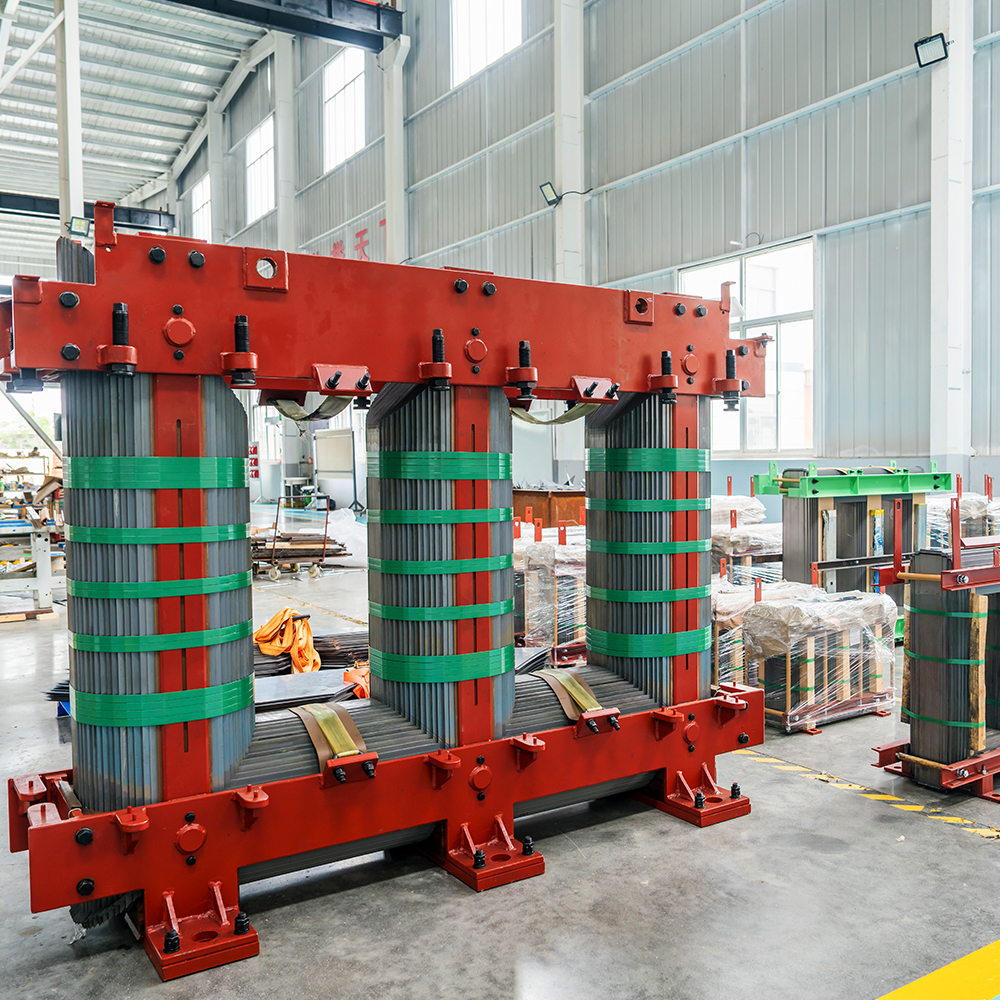
A three-dimensional triangular wound core replaces the stacked laminations with three continuous wound frames. Each frame is spirally wound from a single strip of grain-oriented silicon steel; the three frames are then interlocked in an equilateral triangular arrangement. Because the steel strip runs without interruption, the magnetic circuit contains no cut joints and no air gaps. In addition, each leg achieves a circular or near-circular cross-section, which uses the winding window more effectively and shortens the average length of the magnetic circuit.
These structural differences are not cosmetic. They are the root cause of the performance gap in efficiency, noise, and material utilization.
Efficiency and No-Load Losses: The Closed-Circuit Advantage
No-load losses in a transformer are dominated by core losses. The joint-free magnetic circuit of the triangular wound core reduces magnetic reluctance, which lowers magnetizing current and suppresses excess hysteresis and eddy-current losses. Industry data consistently show that a three-dimensional triangular wound core achieves lower no-load losses than a comparable planar stacked core when both use the same grade of grain-oriented silicon steel.
A second efficiency gain comes from three-phase balance. In a conventional planar stacked three-phase core, the three magnetic paths are not perfectly identical in length, producing slight phase imbalance. The symmetrical equilateral structure of the triangular wound core provides equal magnetic path lengths for all three phases, improving phase balance and reducing unwanted zero-sequence components.
 Three-Dimensional Triangular Wound Transformer CoreThis core uses continuously wound grain-oriented silicon steel in a symmetrical three-phase configuration, eliminating joints to reduce magnetostrictive vibration and noise. Its balanced magnetic paths also address the phase imbalance mentioned in the preceding discussion.View Product →
Noise Performance: Quieter Operation by Design
Transformer noise is caused primarily by magnetostriction, the periodic expansion and contraction of silicon steel as it is magnetized at line frequency. In a planar stacked core, magnetostrictive strain concentrates at the many lamination joints, and the layered structure vibrates more easily under that strain. The result is the familiar low-frequency hum, which intensifies as operating flux density rises.
The triangular wound core mitigates noise through two mechanisms. First, the continuous silicon steel strip eliminates joint vibration almost entirely. Second, the circular leg cross-section adds mechanical stiffness, making the core more resistant to dimensional change under magnetostrictive force. Field comparisons typically report noise levels 7 to 10 decibels lower than planar stacked cores of the same rating. Because the decibel scale is logarithmic, a 10 dB improvement means the transformer sounds roughly half as loud to a human ear.
For installations in residential districts, hospitals, commercial complexes, and other noise-sensitive locations, this reduction can remove the need for costly acoustic enclosures.
Material Savings and Manufacturing Economics
The most tangible cost advantage of the triangular wound core is raw material savings. The triangular arrangement of three circular limbs creates a compact, space-filling envelope, which shortens the average magnetic path length and reduces the amount of silicon steel required for a given rating. Manufacturers typically report savings of 20 to 25 percent in silicon steel and 2 to 3 percent in copper wire compared with an equivalent planar stacked core. Over a large production series, those percentages translate into substantial procurement savings.
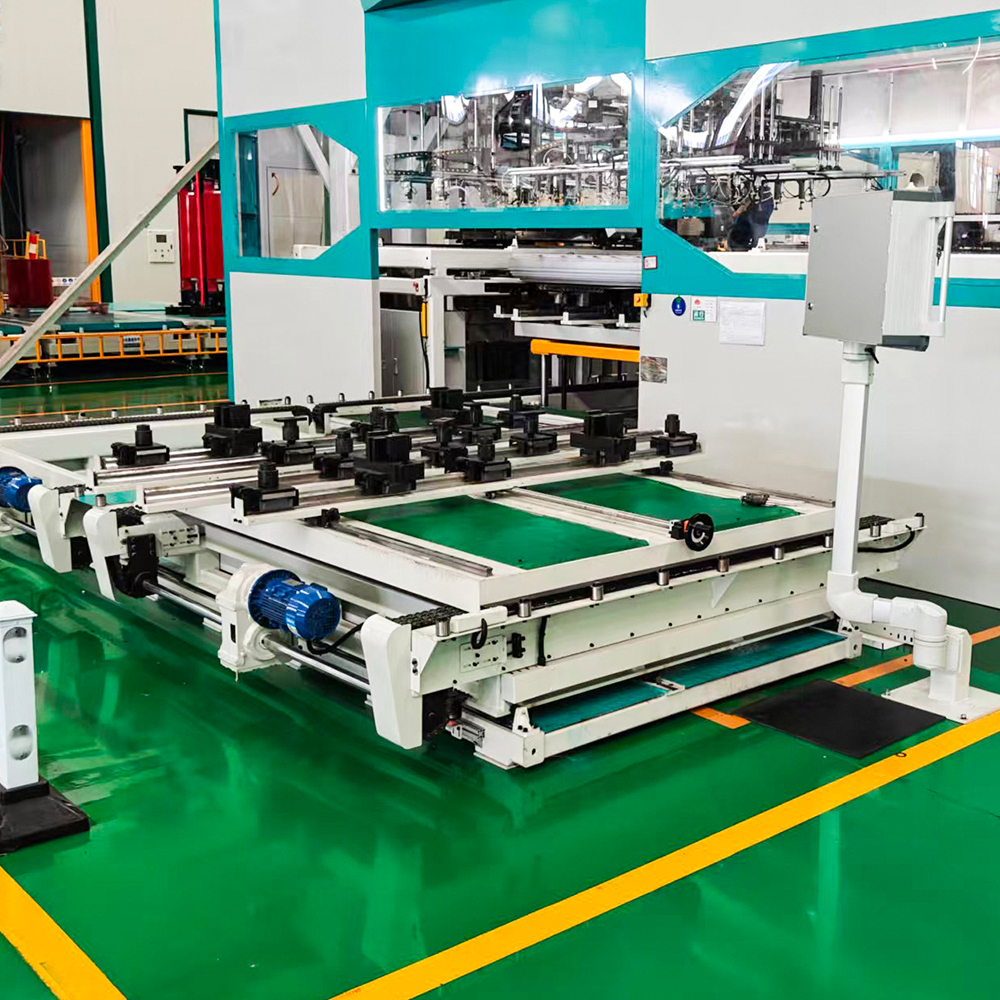
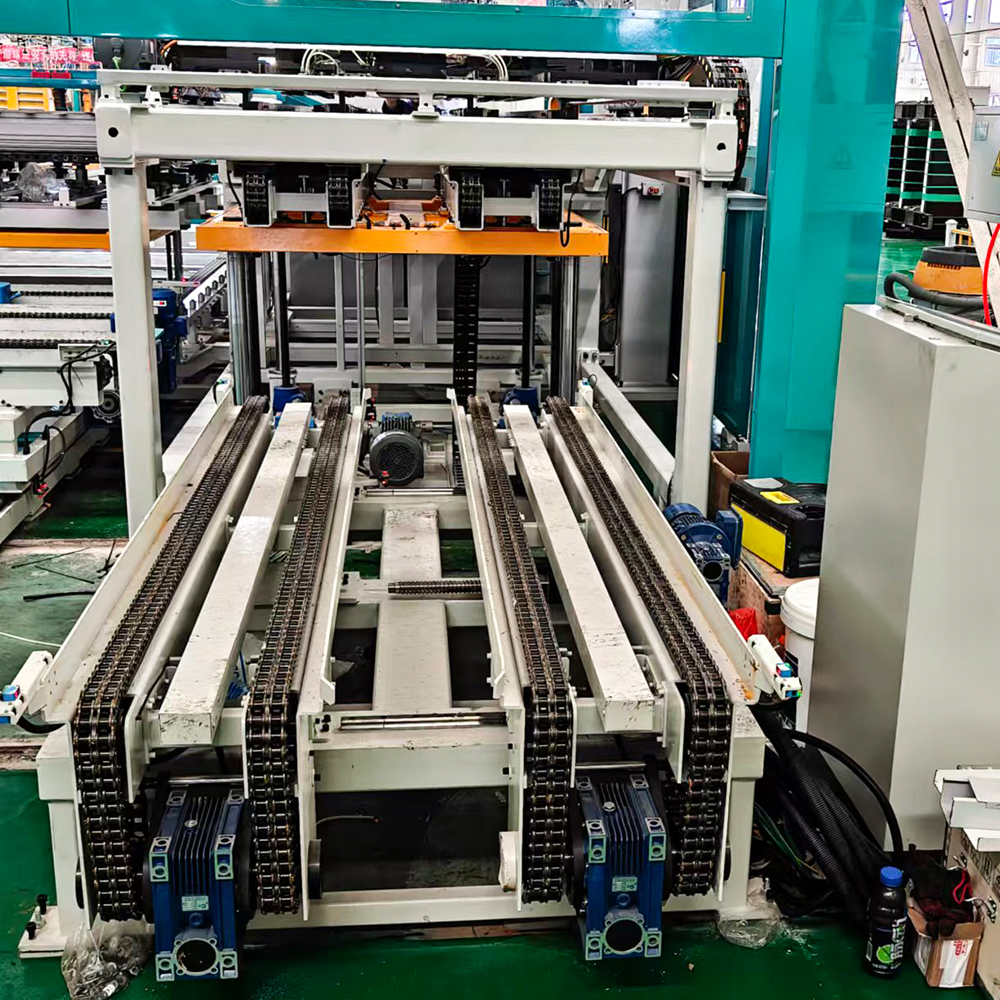
Production economics, however, are not one-sided. A triangular wound core requires precision winding equipment, controlled strip tension, and a stress-relief annealing step to restore the magnetic properties of the steel after cold winding. Planar stacked cores, in contrast, rely on well-established lamination stamping and stacking processes. For producers that remain with the planar route, automated stacking lines play a decisive role in dimensional accuracy, joint quality, and output consistency. An automatic inline core stacking production line can reduce manual handling, improve repeatability, and lower labor cost per core.
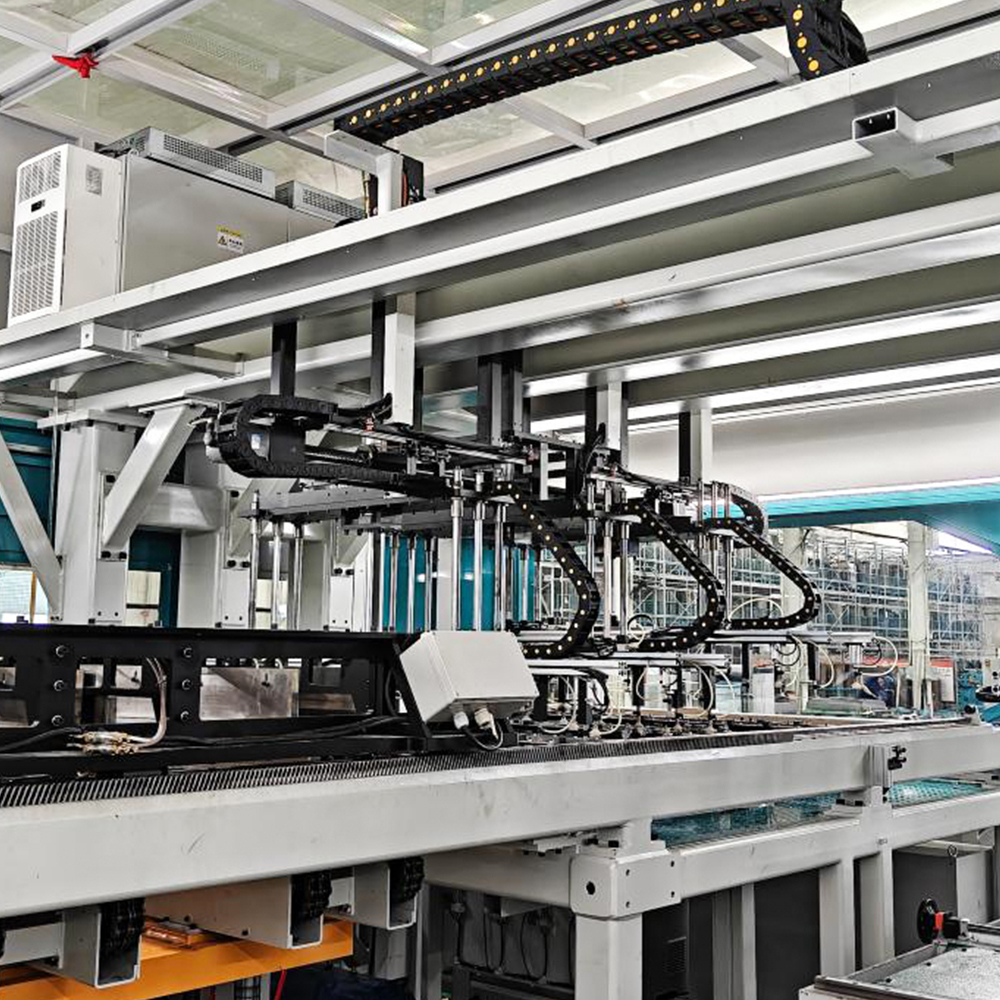 Automatic In-line Core Stacking Production LineThis automated line integrates shearing and stacking to replace manual handling, improving dimensional accuracy and repeatability. It directly addresses the production economics debate by lowering labor cost and boosting consistency for planar core manufacturers.View Product →
Choosing between the two designs must therefore weigh not only material cost but also equipment investment, process maturity, and production volume.
Comparison at a Glance: Triangular Wound Core vs. Planar Stacked Core
The table below condenses the key differences across the dimensions that matter most to design engineers and procurement teams.
| Attribute | Planar Stacked Core | Triangular Wound Core |
|---|---|---|
| Magnetic circuit | Open joints with air gaps | Closed continuous path |
| No-load loss | Higher baseline | Lower |
| Audible noise | Higher baseline | 7-10 dB lower |
| Silicon steel usage | Baseline | 20-25% less |
| Copper wire usage | Baseline | 2-3% less |
| Key process | Lamination stacking | Continuous winding and annealing |
| Typical field | Large power transformers | Distribution transformers |
How to Choose: Application Fit and Decision Criteria
Choose the triangular wound core when:
- No-load losses dominate the owner's total cost of ownership;
- The installation site demands low audible noise;
- Material savings are a strategic procurement priority;
- The transformer is a distribution-class unit with standardized geometry.
Choose the planar stacked core when:
- Mechanical robustness under short-circuit conditions is the top priority;
- The transformer rating exceeds the standardized range of triangular cores;
- Core geometry must be customized for special windings;
- Production volume is too low to justify dedicated winding equipment.
In distribution transformer applications, oil-immersed units with triangular wound cores are increasingly common because they combine the efficiency gains of the closed magnetic circuit with the cooling and insulation benefits of oil immersion.
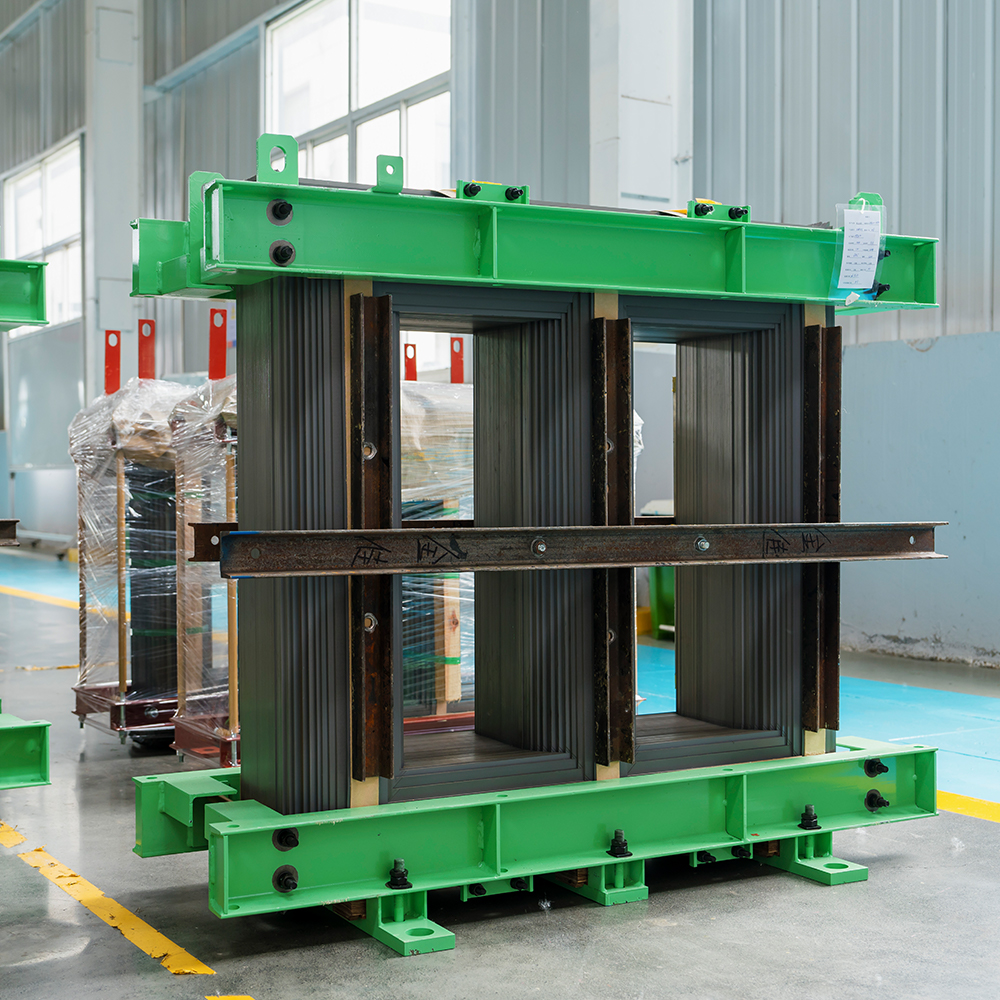
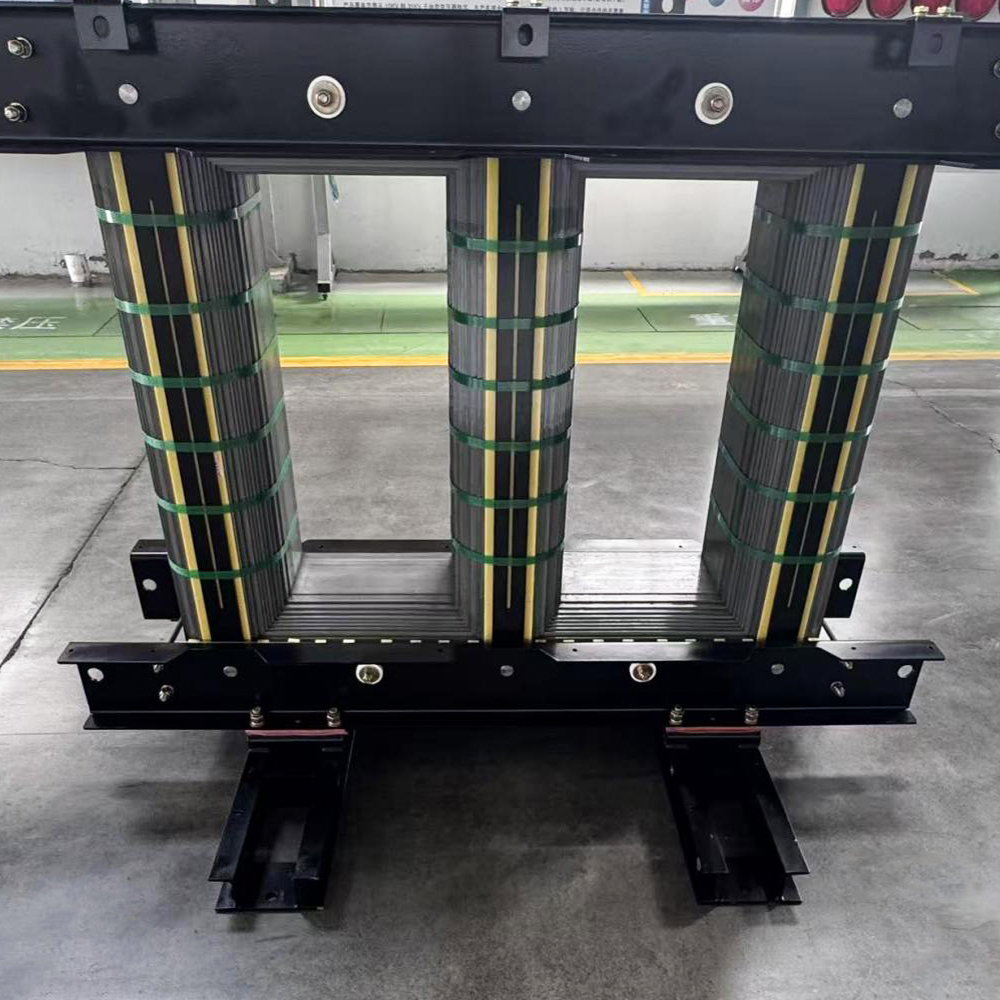 Oil-Immersed Transformer CoreDesigned for oil-immersed distribution transformers, this core uses high-permeability grain-oriented silicon steel with precise stacking to achieve ultra-low loss and controlled no-load current. It pairs well with the oil cooling benefits highlighted in the surrounding text.View Product →
The decision also extends to vendor capability. A manufacturing partner with in-house process control over core steel, cutting, winding, and annealing is better positioned to deliver consistent performance than one that merely assembles purchased components.
Frequently Asked Questions
Q1: Is a triangular wound core always more efficient than a planar stacked core?
In most distribution transformer applications, yes. The closed magnetic circuit eliminates joint air gaps and reduces magnetizing current. However, at very high ratings where optimized joint geometry and low-loss materials are already used, the efficiency gap narrows and a stacked core may remain competitive.
Q2: How much material can a triangular wound core save?
Published figures vary, but the most commonly cited savings are 20 to 25 percent of silicon steel and 2 to 3 percent of copper wire compared with a planar stacked core of equal capacity.
Q3: Is the 7-10 dB noise reduction consistent across all designs?
The reduction depends on steel grade, flux density, and assembly quality. Well-manufactured triangular wound cores consistently run quieter than stacked equivalents, but the exact value must be confirmed by testing on the final transformer.
Q4: What are the main drawbacks of the triangular wound core?
The manufacturing process is more complex, requiring precision winding and stress-relief annealing. Short-circuit mechanical strength and repair flexibility also require attention, and non-standard geometries are harder to realize than with stacked laminations.
Q5: When is a planar stacked core still the right choice?
For large power transformers, heavy short-circuit duty, custom core shapes, or low production runs where specialized winding equipment cannot be justified, the planar stacked core remains a sound and economical choice.
Final Thoughts
The three-dimensional triangular wound core and the planar stacked core each have a clear place in transformer manufacturing. Triangular wound cores are especially attractive for distribution transformers where efficiency, quiet operation, and material savings are decisive. Planar stacked cores remain competitive in large power transformers and specialized applications that demand mechanical strength and geometric flexibility.
Whichever configuration you select, core quality is the foundation of transformer reliability. Poor joint quality, inconsistent strip tension, or substandard annealing can erase the theoretical benefits of even the best core geometry. That is why upgrading core quality remains a priority across the power equipment industry. Evaluate your application priorities, compare the total cost of ownership, and choose the design that aligns with both your technical requirements and your manufacturing strategy.

-
Mobile
+86-18351152766
-
E-mail
479279940@qq.com
-
Address
No.3 Park, Jiangcun Village, Liangxu Town, Jiangyan District, Taizhou City, Jiangsu Province, China


Copyright © Jiangsu Jingtianxia Electric Technology Co., Ltd. Rights Reserved.Specializing In Transformer Core Manufacturing
