 English
 Español
 عربى
 Türk



Offline Transformer Core Stacking Line: LXD2602 and LXD4201 for Custom Cores
Content
- 1 Why Offline Stacking Lines Fit Custom and Small-Batch Core Production
- 2 LXD2602 vs. LXD4201: Two Configurations for Different Batch Profiles
- 3 Process Flexibility: Materials, Step Laps, and Layer Scheduling
- 4 Building a Complete Custom-Core Workshop
- 5 Quality Consistency Without Full Inline Automation
- 6 Frequently Asked Questions
- 6.0.1 Q1: What is the difference between an offline and an inline transformer core stacking line?
- 6.0.2 Q2: Can the LXD2602 handle different silicon steel grades?
- 6.0.3 Q3: Is the LXD4201 suitable for medium-volume production?
- 6.0.4 Q4: Can an offline stacking line be upgraded to an automated inline system later?
- 7 Finding the Right Configuration for Your Workshop
Transformer manufacturers today face a growing demand for custom core designs, short production runs, and rapid prototyping. Conventional inline stacking lines are built for high-volume throughput, but they require significant changeover time and programming effort when core dimensions or lamination patterns change. For these reasons, an offline transformer core stacking line is the ideal setup for custom and small-batch core production. The LXD2602 and LXD4201 from Jiangsu Jingtianxia Electric Technology Co., Ltd. offer dedicated offline configurations that keep this type of work flexible, precise, and cost-effective.
This article explains why the LXD2602 and LXD4201 offline stacking lines work so well for custom transformer core runs, compares the two models, and shows how they fit into a complete production workflow.
Why Offline Stacking Lines Fit Custom and Small-Batch Core Production
Custom core orders rarely follow a steady rhythm. A manufacturer may process several different core geometries in a single week, each with its own lamination size, stack height, and step-lap pattern. On an inline line, switching between these designs often interrupts the entire production flow, because stacking is directly coupled with the preceding shearing and conveying operations.
An offline stacking line separates stacking from the main line. This separation creates several practical benefits:
- Fast changeover. Operators can reconfigure the stacking fixture and load a new program without stopping upstream processes.
- Parallel workflow. Stacking continues independently while the shearing line prepares material for the next order.
- Small-batch viability. Even single-unit or prototype batches become economical because setup time is minimized.
- Lower capital commitment. Offline equipment offers many advantages of precision stacking without the full investment of an automated inline system.
For manufacturers serving the custom and project-based transformer market, the offline stacking line is not a compromise; it is a production strategy designed around variability.
LXD2602 vs. LXD4201: Two Configurations for Different Batch Profiles
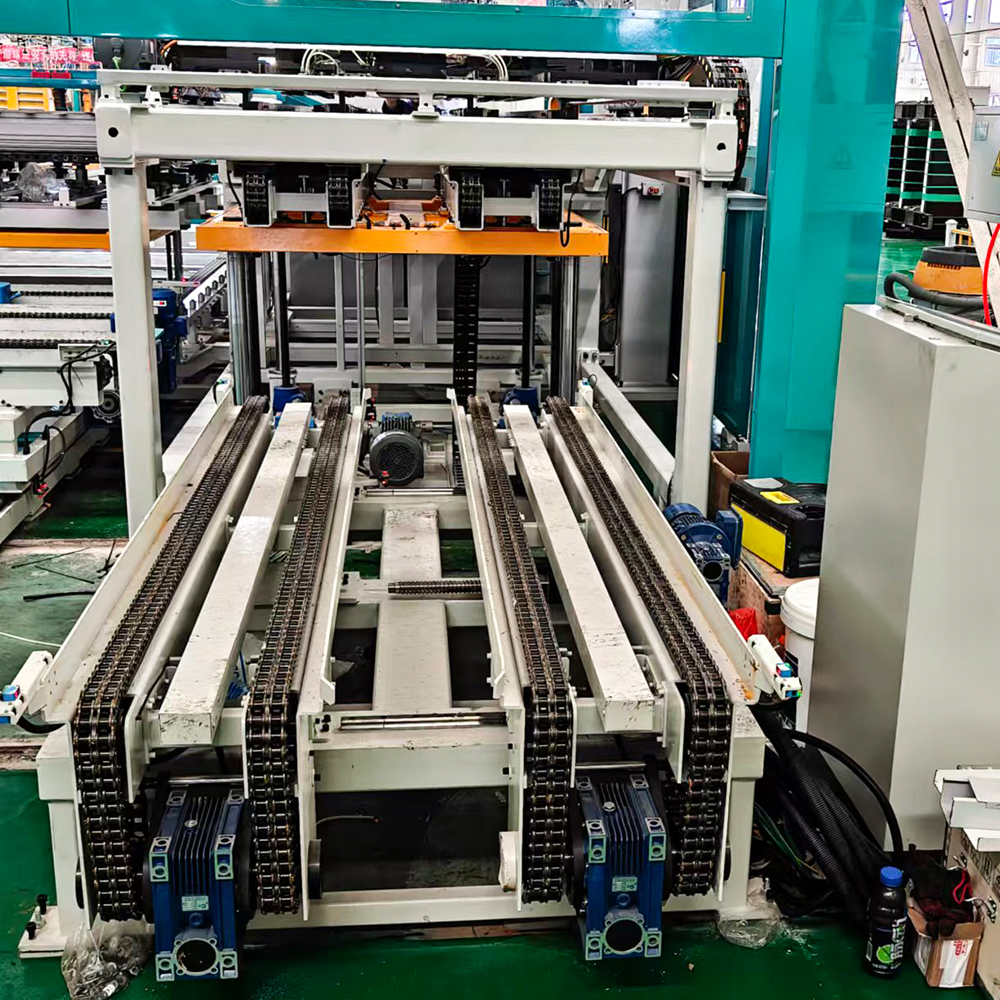
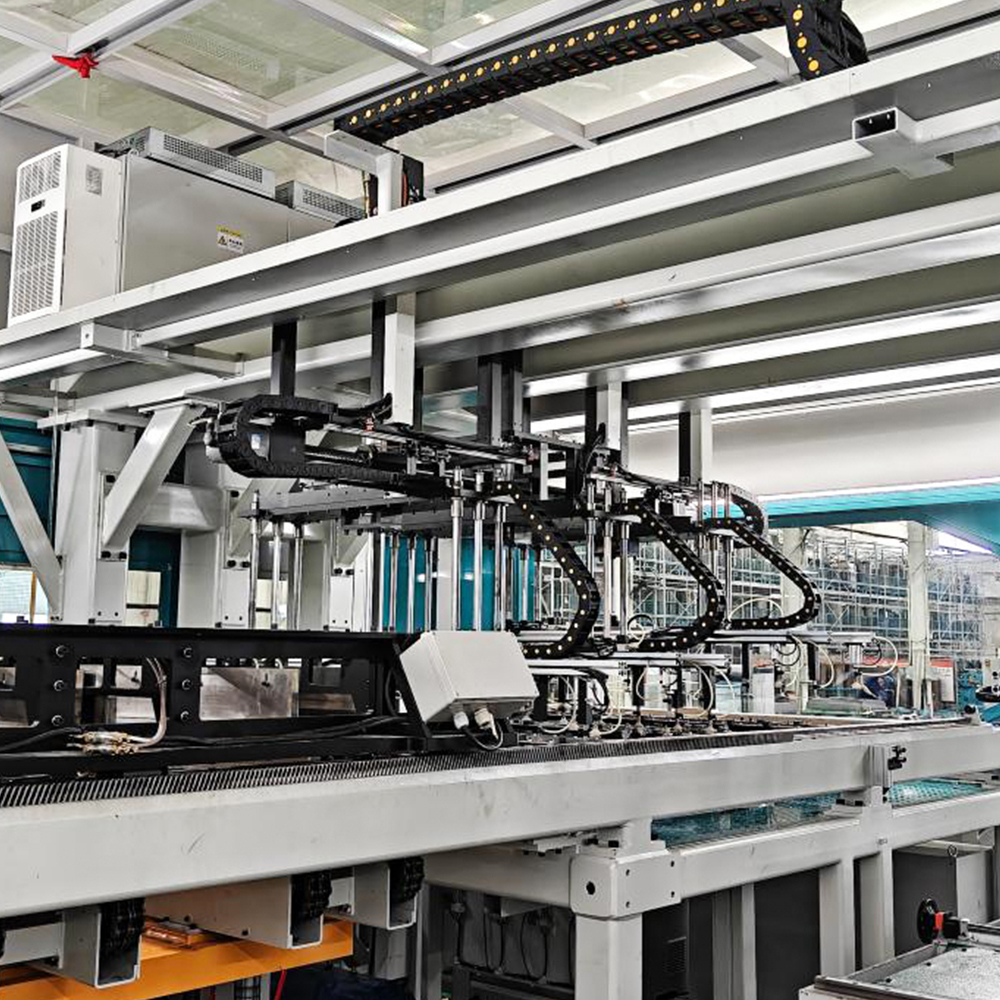
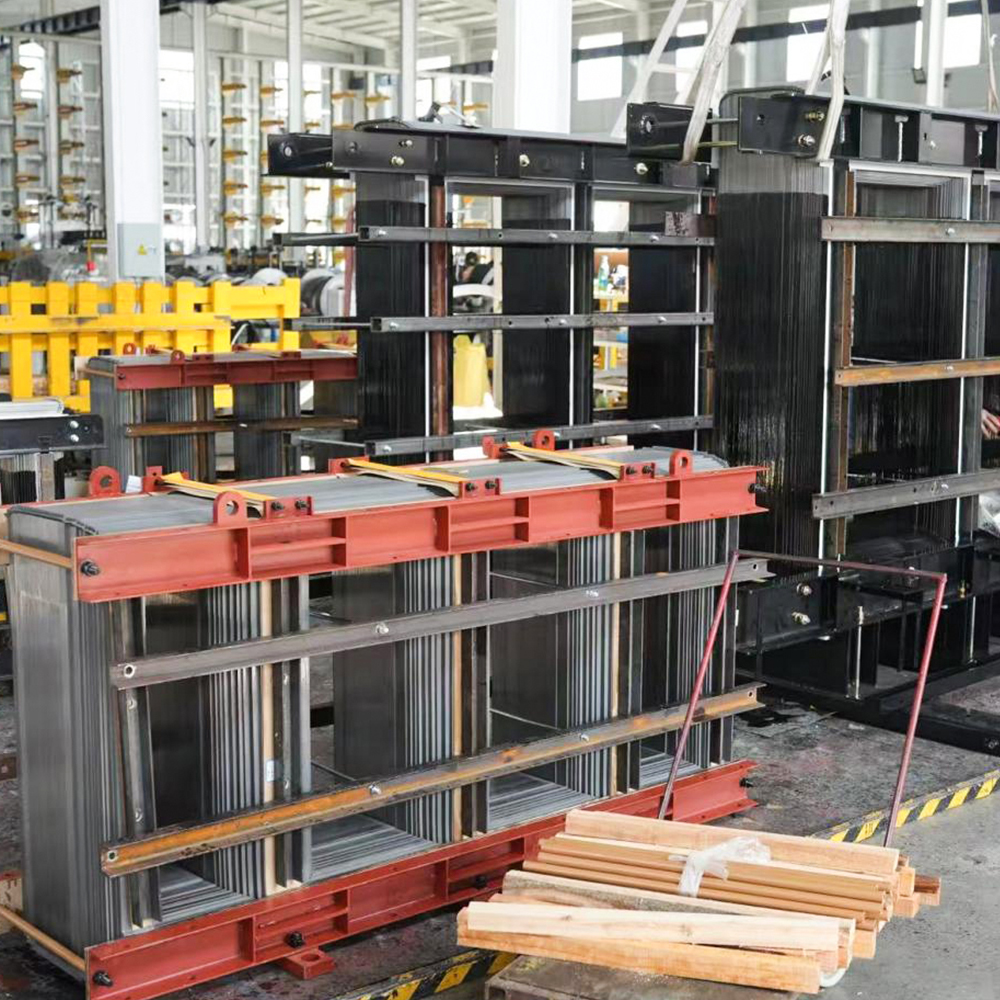
Jingtianxia offers two offline stacking line models that target different production scales while sharing the same flexible design philosophy. The LXD2602 offline transformer core stacking line is well suited for small-batch and prototype work. Its compact arrangement helps shops with limited floor space. The LXD4201 offline transformer core stacking production line extends the concept with a longer stacking area and greater program capacity, making it a better match for medium runs and larger core sizes.
| Comparison Point | LXD2602 | LXD4201 |
|---|---|---|
| Target Order Profile | Prototypes and small batches | Small to medium batches |
| Stacking Area | Compact footprint | Extended stacking range |
| Changeover Approach | Quick manual adjustment | Programmed positioning aids |
| Best For | Custom core shops and R&D work | Production floors with batch variety |
| Integration Level | Standalone operation | Standalone or linked with material handling |
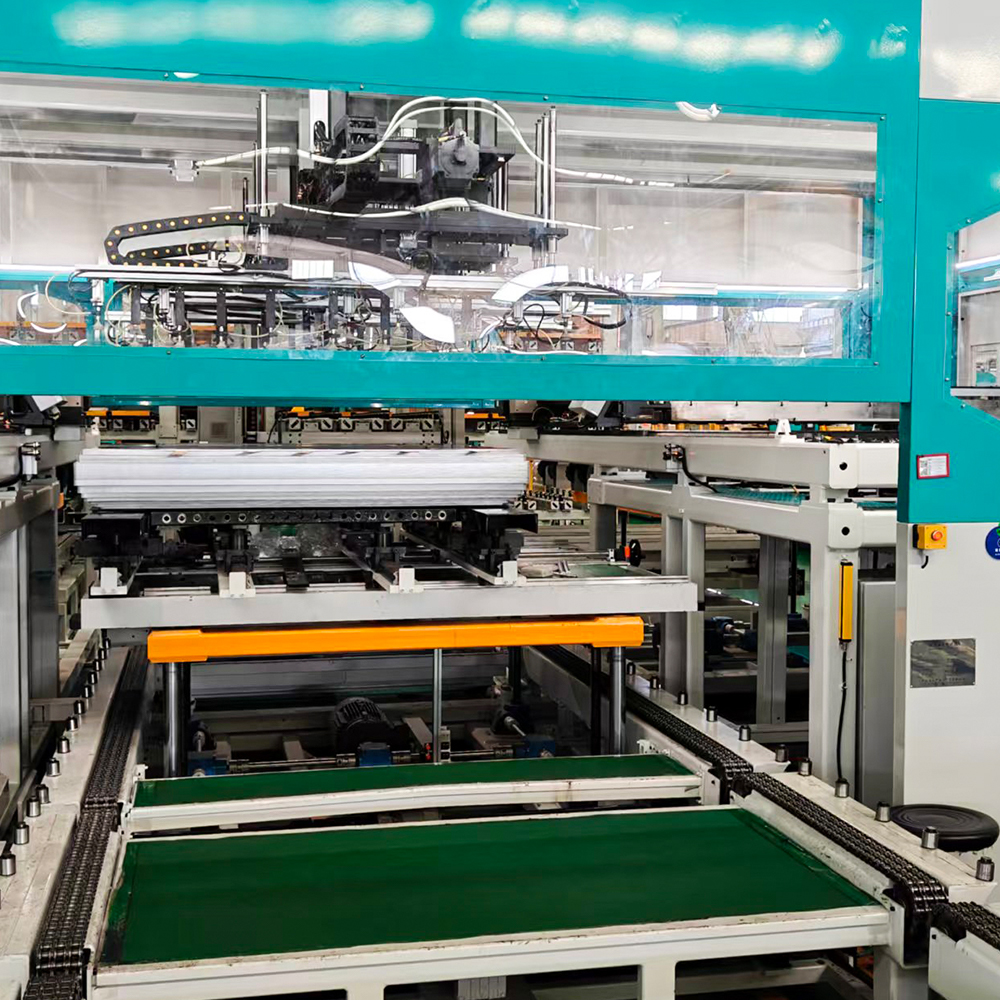 LXD-260-2 Offline Transformer Core Stacking Line for Small BatchesThis compact stacking line suits small-batch and prototype transformer core work, with a space-saving arrangement ideal for shops with limited floor area. It automates lamination stacking to reduce manual handling issues.View Product →
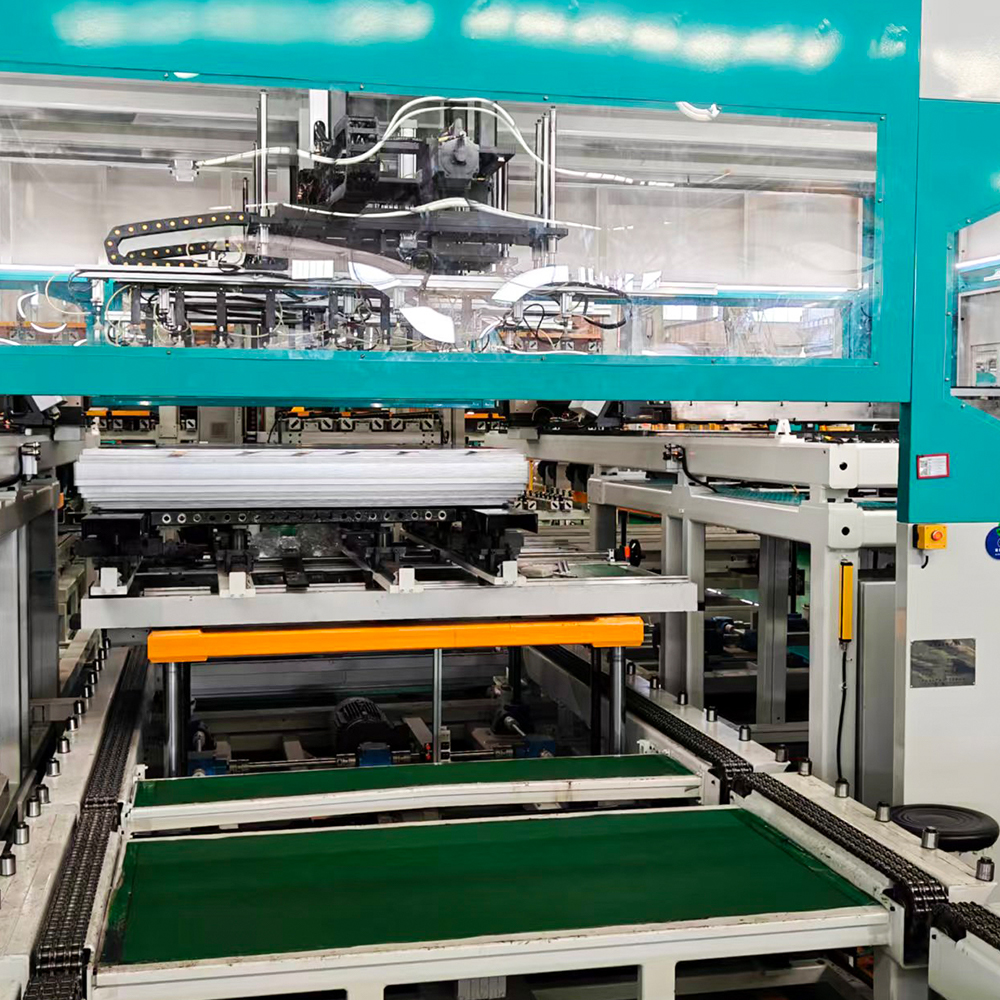 LXD-420-1 Offline Transformer Core Stacking Production Line for Medium RunsOffering a longer stacking area and greater program capacity, this production line handles medium runs and larger core sizes. It extends automated core stacking to more demanding manufacturing scenarios.View Product →
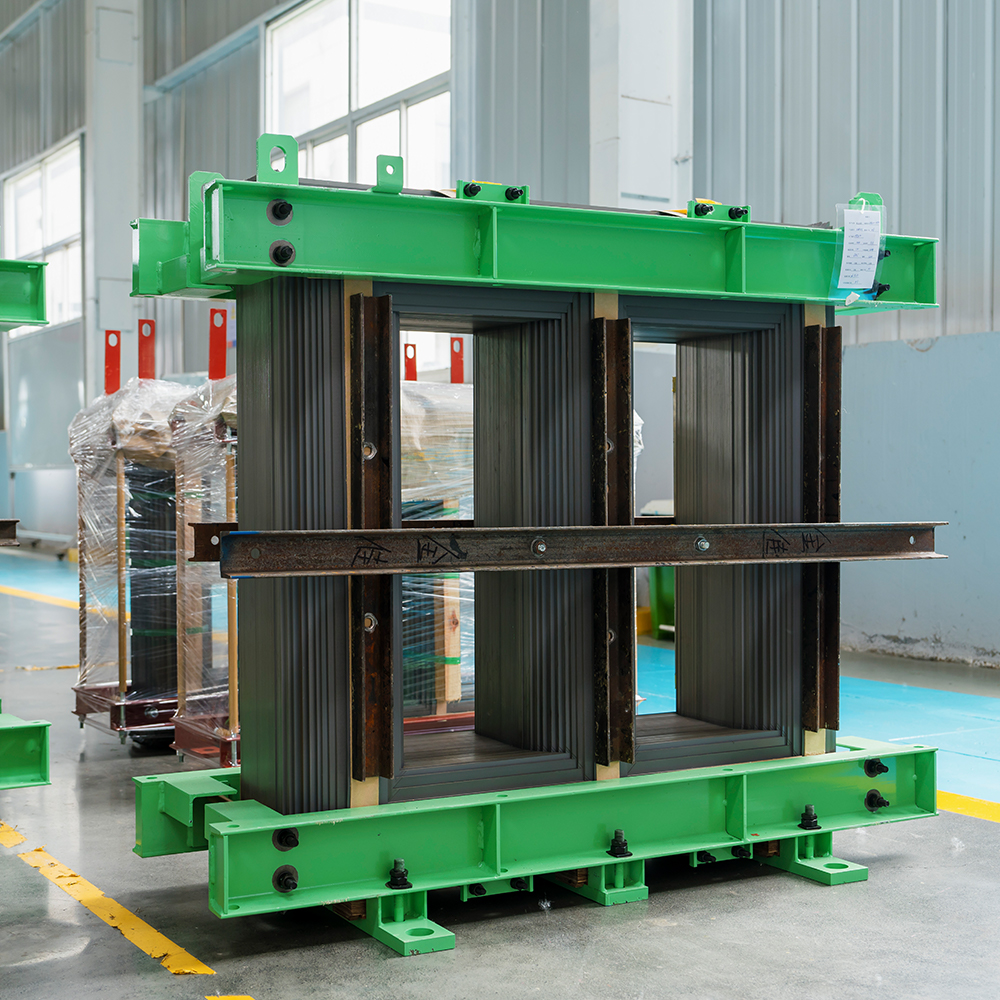
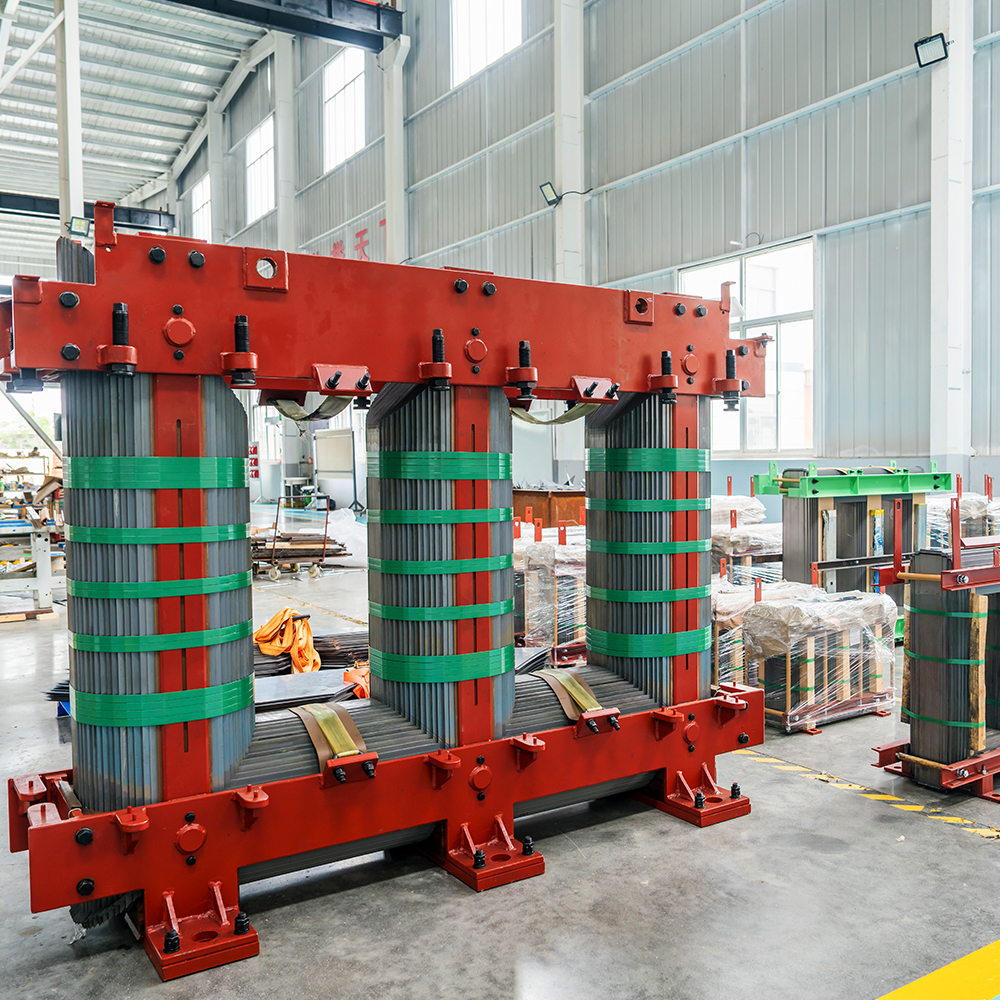
Both configurations support core stacking for dry-type, oil-immersed, mining, and three-dimensional triangular wound cores. The choice between the two largely depends on the range of core sizes a manufacturer expects to process and the average order quantity.
Process Flexibility: Materials, Step Laps, and Layer Scheduling
Custom and small-batch cores demand more than just adjustable tooling. The stacking line must handle different silicon steel grades, lamination thicknesses, and step-lap patterns without sacrificing dimensional accuracy.
Material Handling Without Compromise
The LXD2602 and LXD4201 are designed to work with grain-oriented silicon steel strips, commonly used in transformer core manufacturing. Operators can switch between different material widths and thicknesses with straightforward fixture adjustments. This flexibility is essential for manufacturers who process both standard and specialty materials for different transformer types.
Step-Lap and Layer Pattern Programming
Core loss and noise performance depend heavily on the step-lap configuration. Offline stacking lines allow operators to define layer-by-layer patterns and repeat them with consistent accuracy. Because the stacking sequence is set up per order, changing a pattern is a matter of adjusting the guidance program rather than reconfiguring mechanical tooling.
Operator Guidance and Error Reduction
Precision assistance features on these lines guide the operator through the stacking sequence. This reduces the risk of wrong lamination orientation or incorrect layer counts. The result is a consistent quality level even when different operators work across shifts.
Building a Complete Custom-Core Workshop
An offline stacking line works best when it is part of a well-organized production cell. Jingtianxia also supplies silicon steel cut-to-length lines that prepare laminations with precise dimensions for the stacking stage.
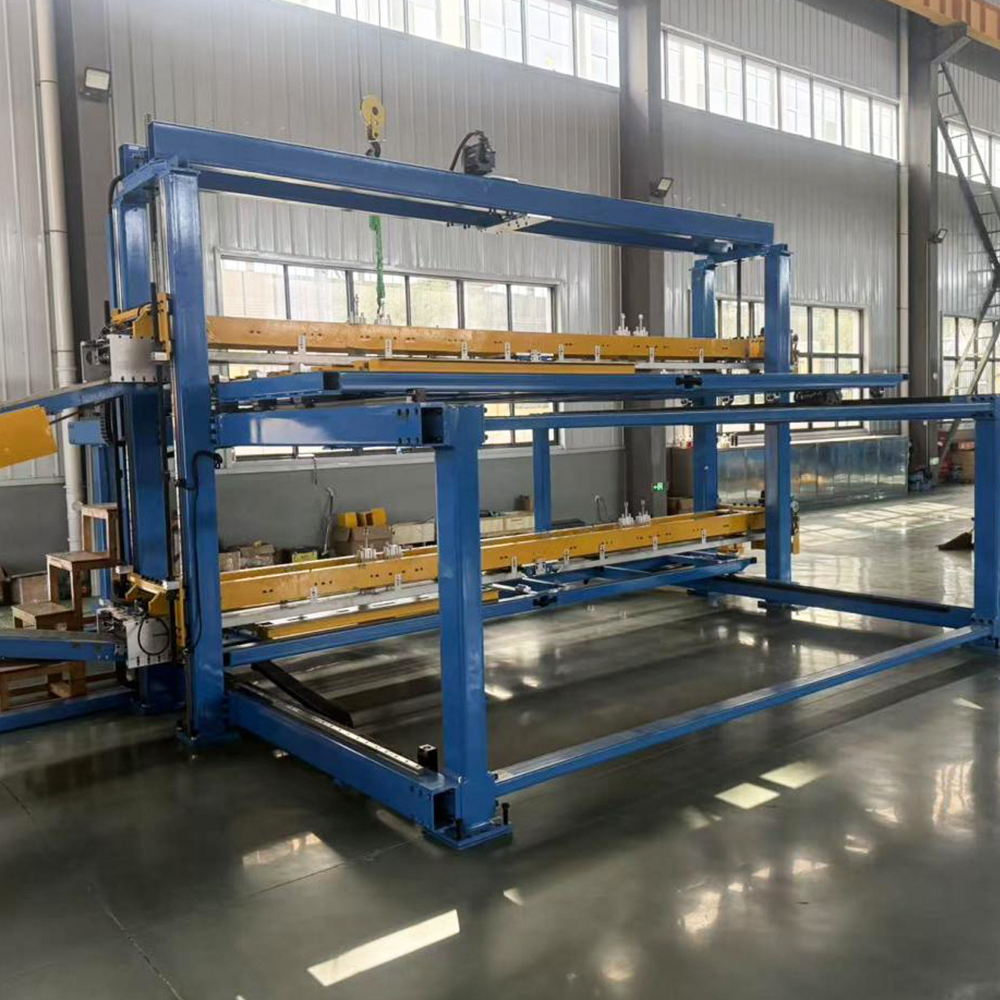 HJ-DZ-440 Silicon Steel Cut-to-Length Line for Precise LaminationsThis high-precision transverse shearing line prepares silicon steel laminations with accurate dimensions for downstream core stacking. It integrates feeding, punching, and shearing, supporting multiple progressive cutting patterns.View Product →
A typical custom-core workflow might look like this:
- Silicon steel coil is fed through a cut-to-length line, such as the HJDZ440, to produce accurately sized laminations.
- Laminations are moved to the offline stacking line work area, either immediately or in batches.
- The operator loads the stacking program for the specific core design and completes the stack using precision-guided positioning.
- Finished cores are inspected, measured, and prepared for delivery or for final assembly into transformers.
By pairing an offline stacking line with the right upstream equipment, a manufacturer can create a compact custom-core workshop that responds quickly to changing orders. This approach supports both prototype development and production orders for transformer core products such as dry-type, oil-immersed, and mining explosion-proof cores.
Quality Consistency Without Full Inline Automation
Some manufacturers assume that high core quality requires fully automated inline equipment. In practice, core quality depends on three factors: accurate lamination dimensions, consistent layer assembly, and controlled handling pressure. Offline stacking lines address the second and third factors through precise positioning mechanisms and repeatable stacking sequences.
For small and medium batches, an offline line can achieve dimensional consistency comparable to automated lines, while offering the combination of visual inspection, measurement, and operator adjustment that is difficult to replicate in full automation. The stacking machine positions each lamination correctly, reducing manual strain and placement errors.
If a manufacturer later grows into higher-volume production, the same offline line can serve as a backup or development line alongside a fully automatic inline system such as the ZXD440. In this way, the offline investment continues to add value rather than becoming obsolete.
Frequently Asked Questions
Q1: What is the difference between an offline and an inline transformer core stacking line?
An inline stacking line is integrated into a continuous production flow, where the stacking station receives laminations directly from upstream equipment and operates at the pace of the entire line. An offline stacking line works independently: laminations are brought to the line in batches, and stacking proceeds at its own pace. This makes offline lines more flexible for custom orders and small batches, while inline lines are better suited for long runs of standardized cores.
Q2: Can the LXD2602 handle different silicon steel grades?
Yes. The LXD2602 is designed to accommodate the range of grain-oriented silicon steel strips commonly used in transformer core manufacturing. Changeover between material grades is handled through fixture adjustment and programming, which is part of the offline line's rapid setup advantage.
Q3: Is the LXD4201 suitable for medium-volume production?
Yes. The LXD4201 offers an extended stacking area and higher programming capacity, making it suitable for small to medium batch production. It maintains the changeover flexibility expected from an offline system while delivering higher output than a compact line.
Q4: Can an offline stacking line be upgraded to an automated inline system later?
Manufacturers often use an offline line as a first step and later invest in an automated inline line for high-volume products. The offline line remains valuable as a development line or for handling custom orders. Jingtianxia offers both categories, so the transition can be planned around actual production growth.
Finding the Right Configuration for Your Workshop
Selecting between the LXD2602 and LXD4201 comes down to three questions: what core sizes do you produce, how frequently do you change designs, and what is your target order quantity? Answering these questions helps define the stacking area, program capacity, and material-handling support you need.
As a one-stop smart power supporting solutions provider, Jingtianxia combines in-house transformer core manufacturing with equipment design, giving its team direct experience in running the same stacking processes they sell. Our service and support structure is designed to keep your line running after installation.
Contact us to discuss your core stacking requirements today.
-
Mobile
+86-18351152766
-
E-mail
479279940@qq.com
-
Address
No.3 Park, Jiangcun Village, Liangxu Town, Jiangyan District, Taizhou City, Jiangsu Province, China


Copyright © Jiangsu Jingtianxia Electric Technology Co., Ltd. Rights Reserved.Specializing In Transformer Core Manufacturing
