
When a transformer manufacturer receives two quotations for the same oil-immer...
READ MOREProduct Advantages
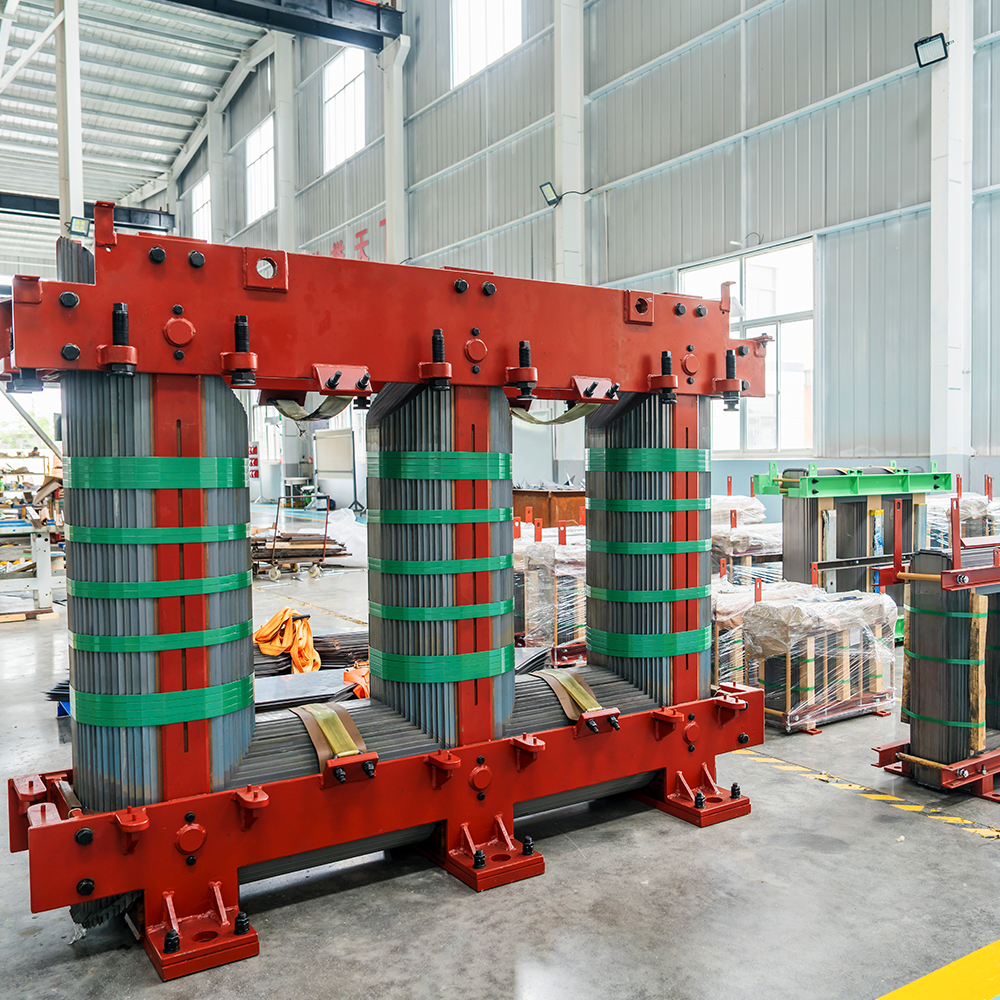
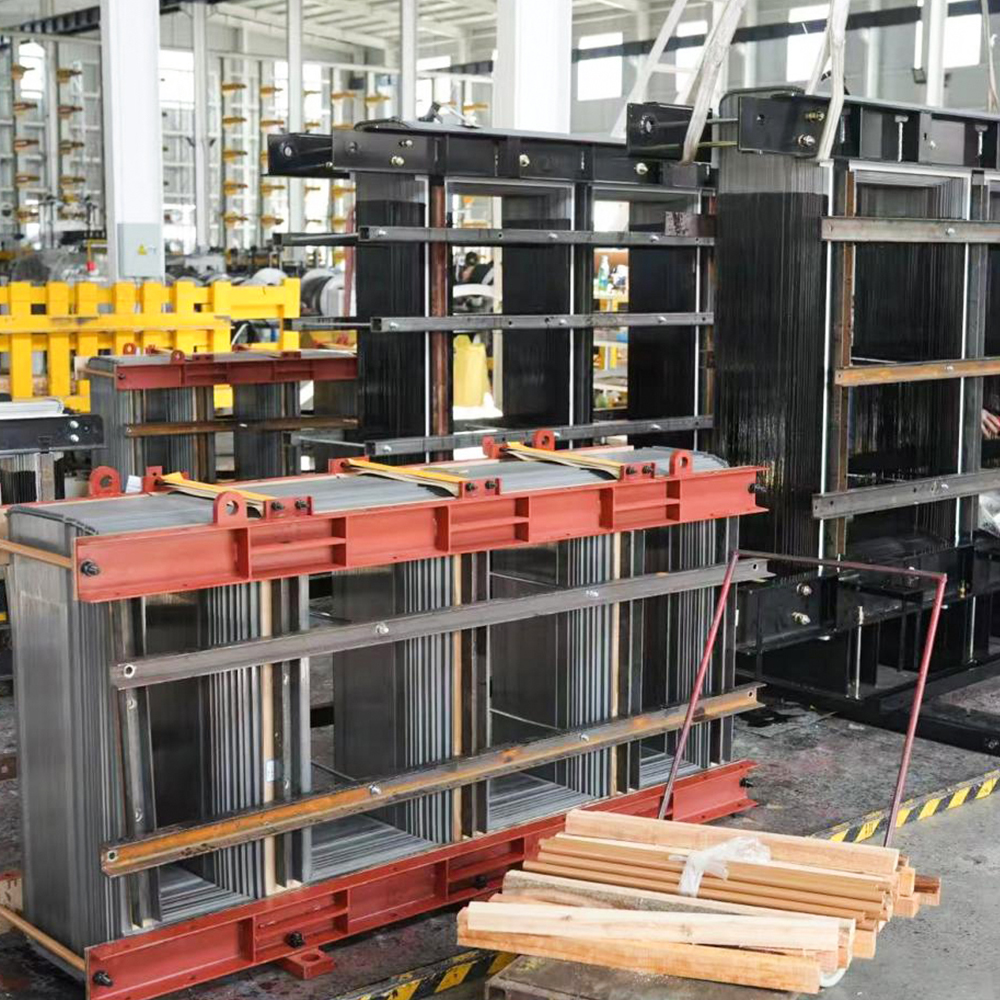
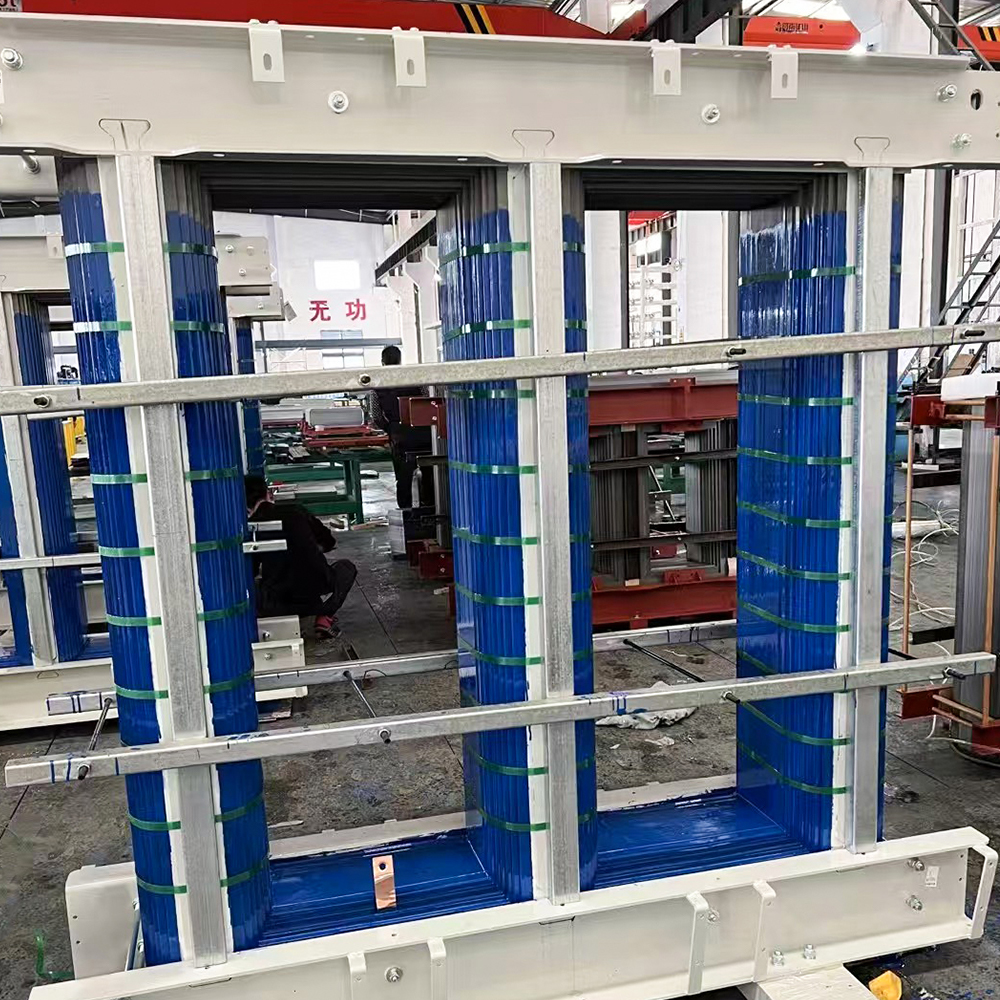
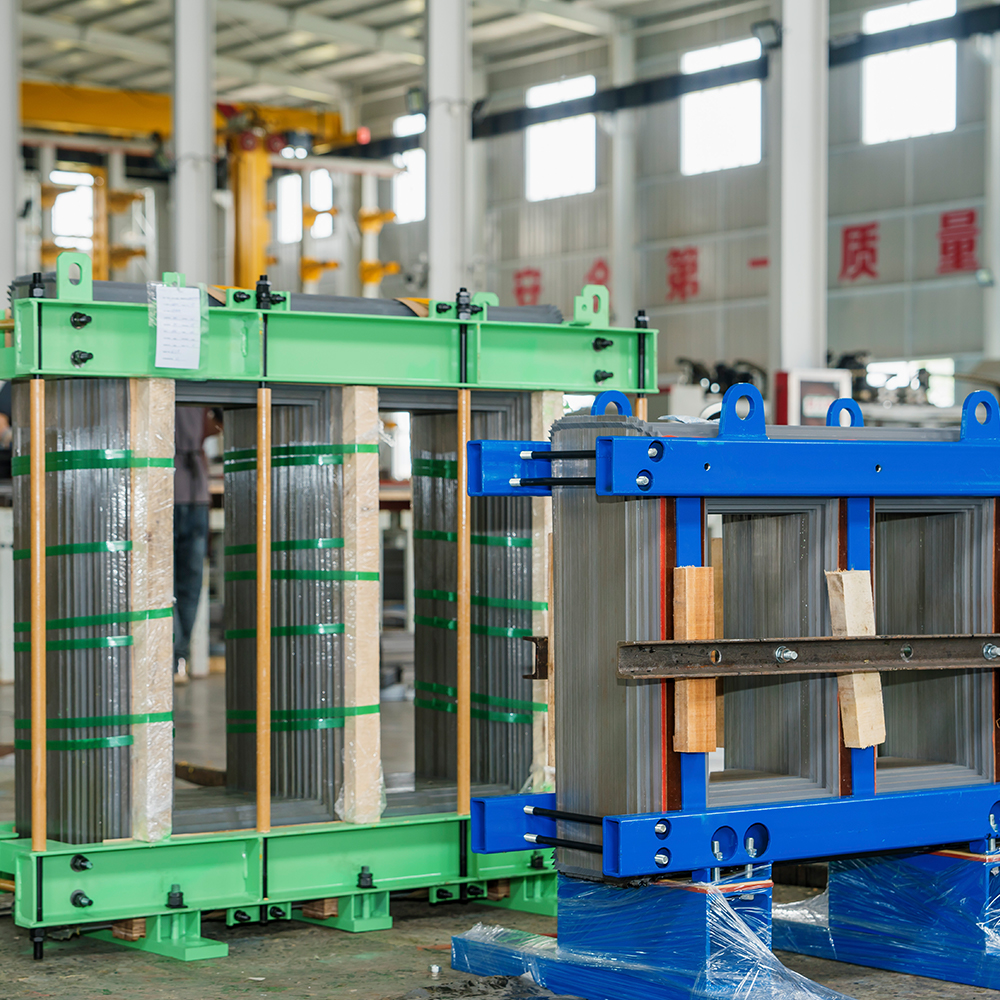
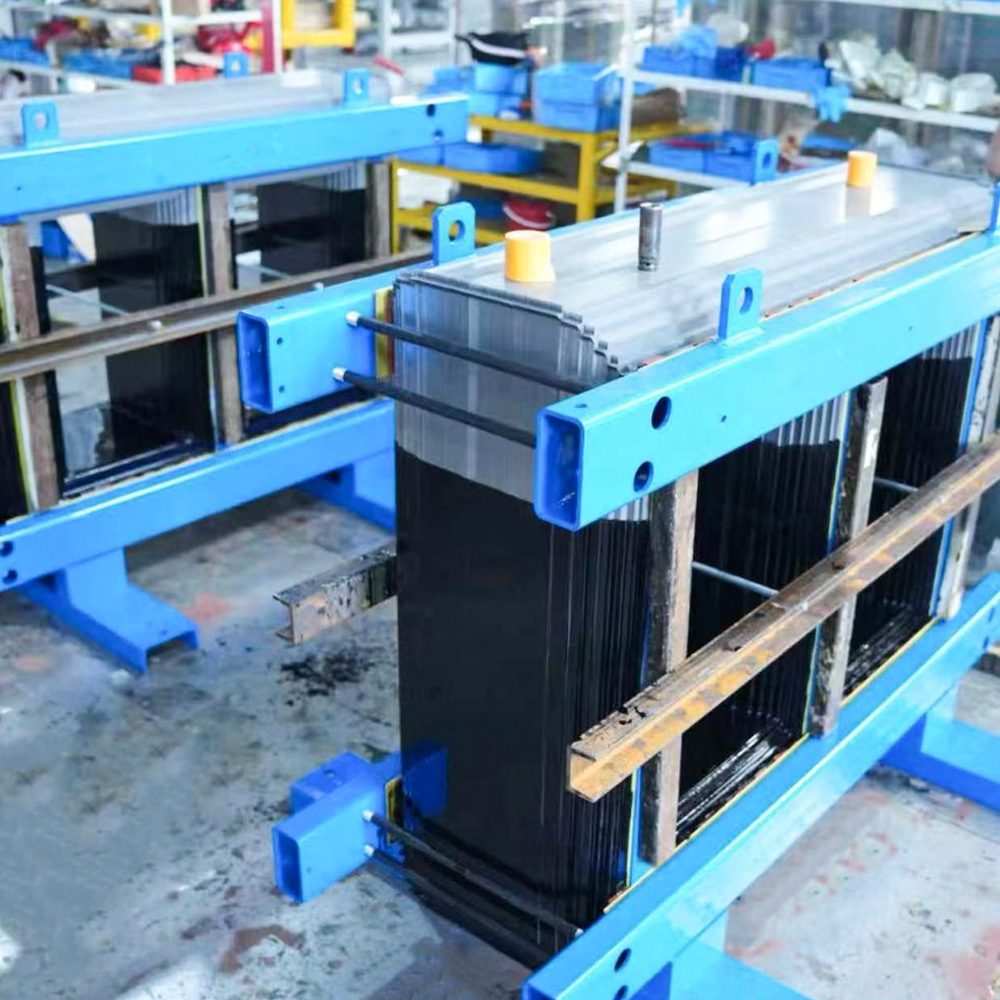
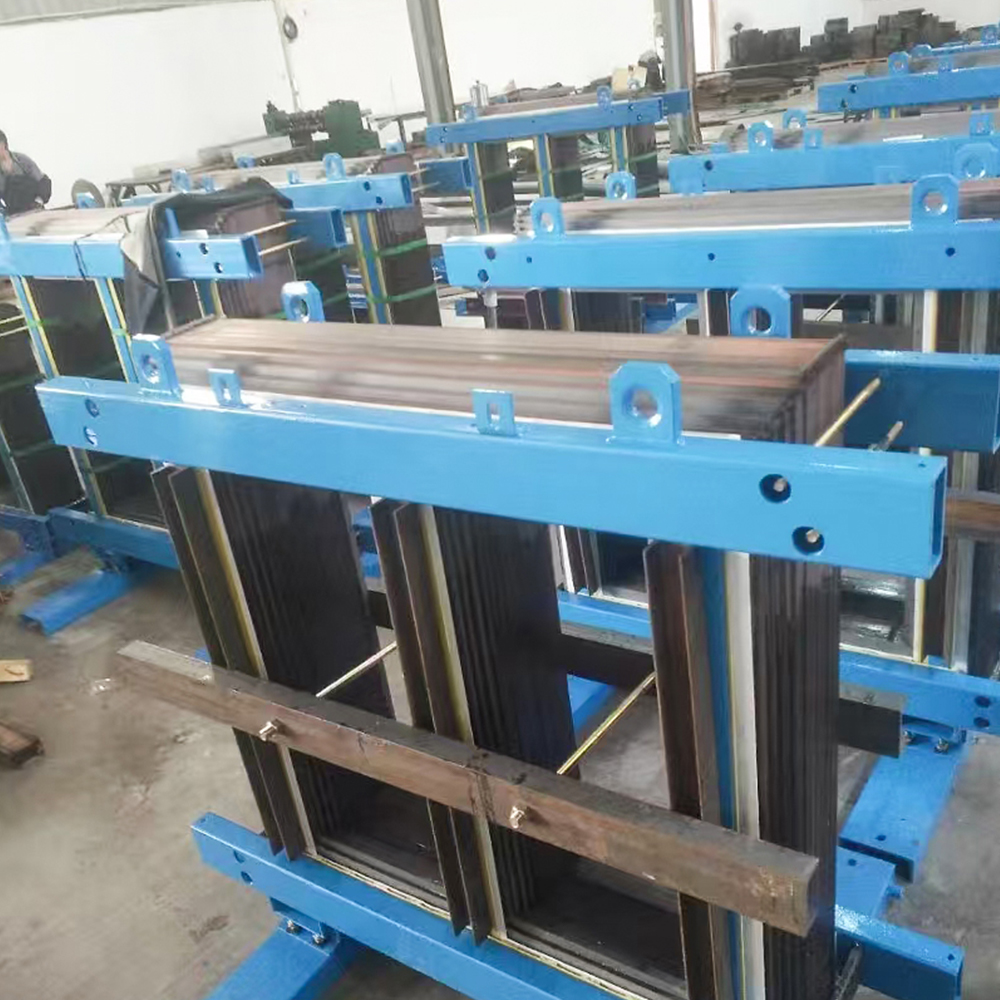
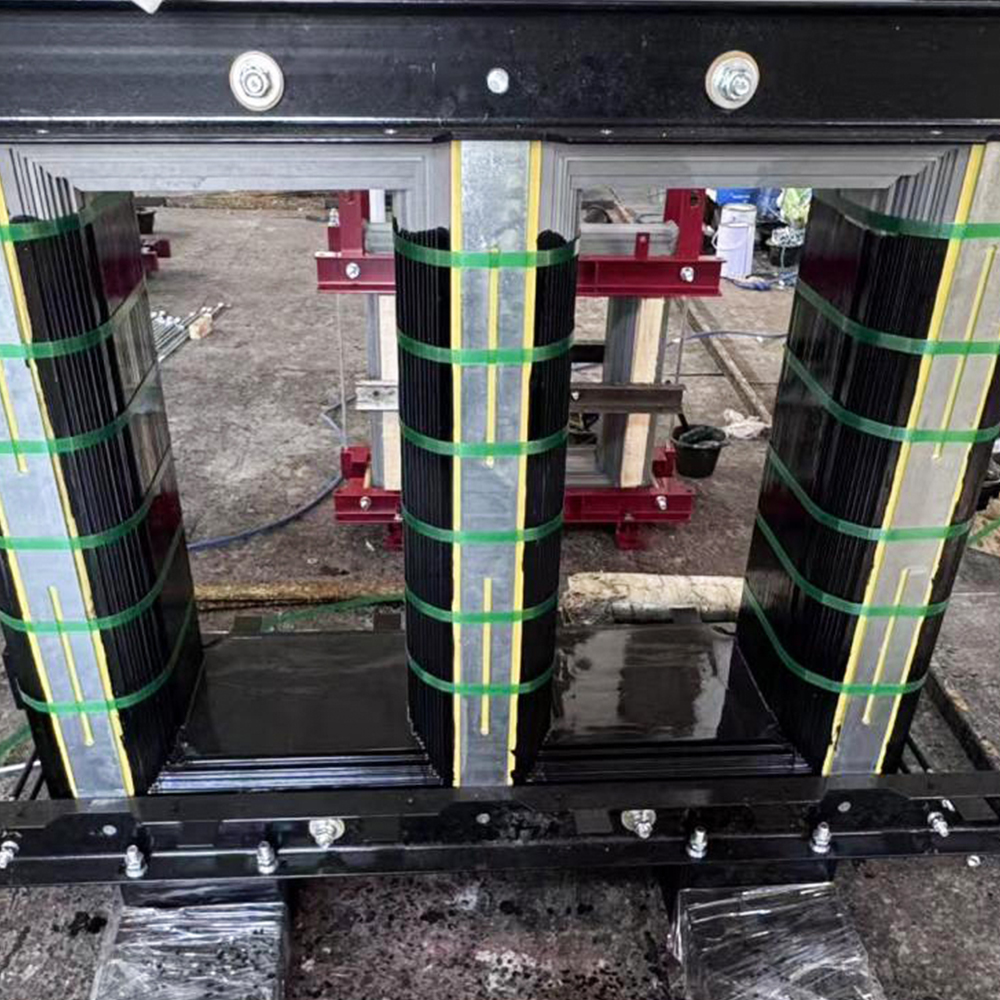
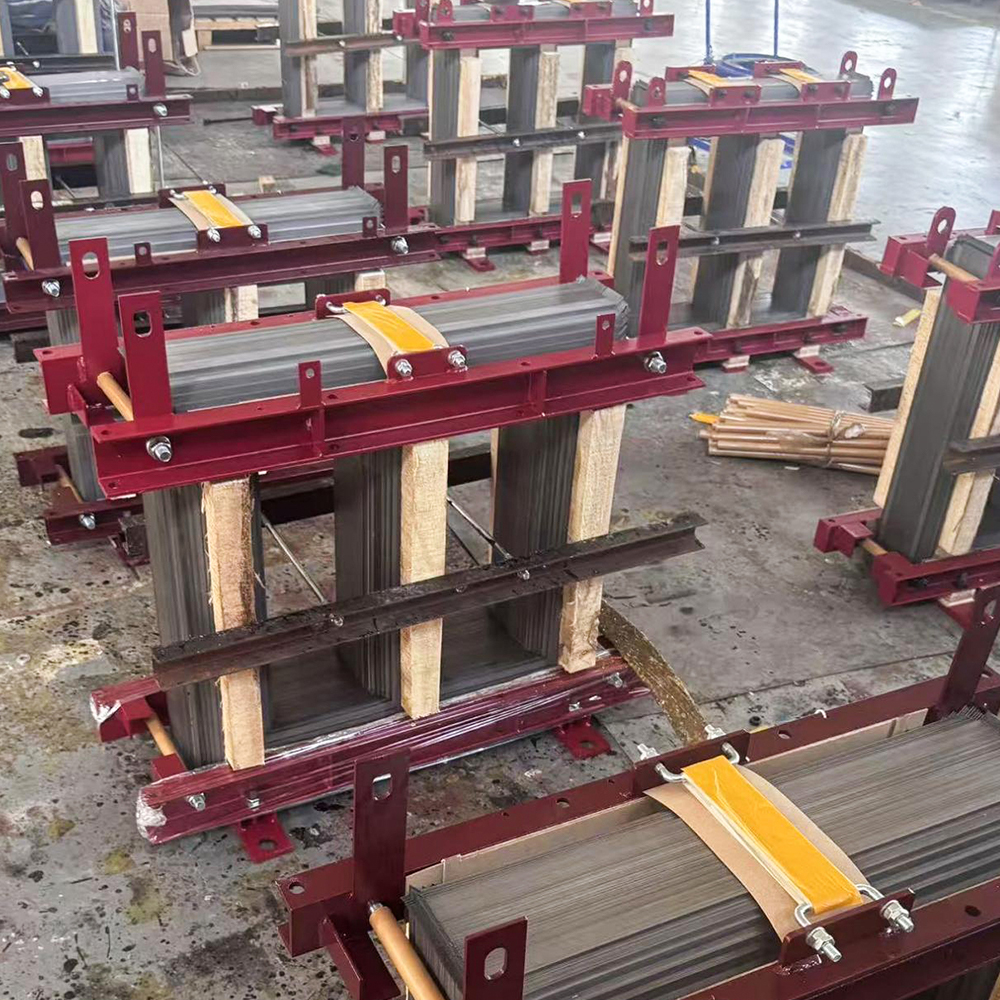
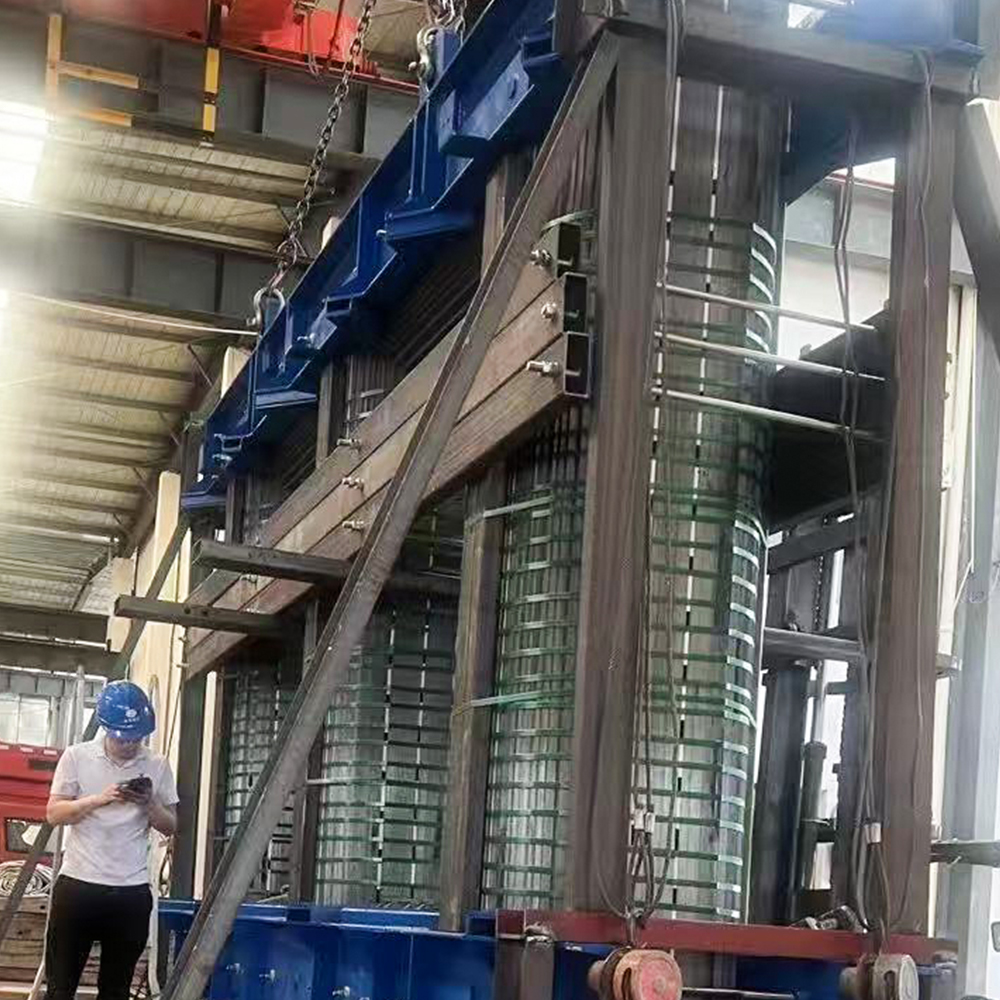
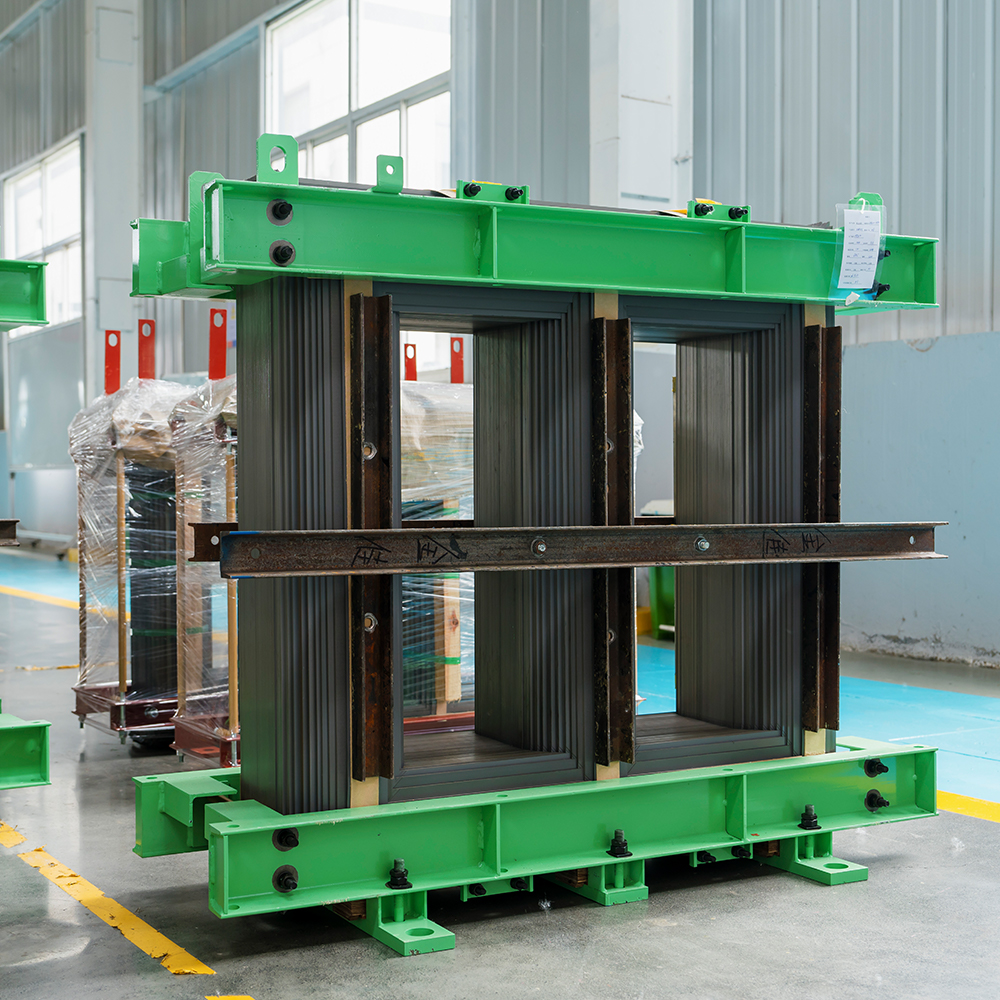
High-Security Explosion Protection: The entire structure is consolidated with high-strength clamping and special resin impregnation, providing excellent anti-vibration and impact resistance, completely avoiding hazards caused by micro-displacements or overheating.
Superior Corrosion & Moisture Resistance: Applied with mining-grade specialized surface protective coatings to endure prolonged exposure to underground humidity, water dripping, and corrosive gases.
Optimized Heat Dissipation & Low Temperature Rise: Fine-tuned internal magnetic circuit design effectively controls core self-heating and minimizes overall transformer temperature rise, perfectly adapting to restricted airflow within explosion-proof enclosures.
Product Applications
Exclusively applied in Mining Flameproof Dry-Type Transformers (such as KBSG series) and Mining Mobile Substations (such as KBSGZY series). It serves as the core safety power source for underground coal mine power distribution and fully mechanized mining faces.
When a transformer manufacturer receives two quotations for the same oil-immer...
READ MOREAt equipment review meetings, the question "which of the following is true reg...
READ MORETransformer core manufacturing represents one of the most critical processes in...
READ MOREAt the heart of every electrical transformer lies a component that is both simp...
READ MOREIndependent intellectual property rights and continuous technological innovation...
READ MOREFaced with growing production and operational pressure, automated warehousing sy...
READ MOREIn the hazardous environment of underground coal mining, electrical equipment must endure extreme stresses that go far beyond standard industrial applications. Among these, the mining explosion-proof transformer core stands as the critical electromagnetic and mechanical heart of the flameproof transformer. However, despite rigorous engineering, these cores are susceptible to specific failure modes rooted in thermal, mechanical, and chemical stressors unique to underground mines. Understanding these failure modes is not merely an academic exercise—it is essential for ensuring operational continuity, safety compliance, and cost-effective maintenance. This article systematically examines the predominant failure mechanisms affecting mining explosion-proof transformer cores, supported by material science, structural design, and real-world mining practice.
The most pervasive failure mode for a mining explosion-proof transformer core originates from excessive heat generation within the confined, poorly ventilated explosion-proof enclosure. In standard transformers, natural or forced air circulation dissipates core losses. In mining, the sealed housing traps heat, causing the core’s operating temperature to rise steadily. Over time, this thermal stress accelerates the aging of interlaminar insulation coatings—typically epoxy or varnish—leading to increased eddy current losses and localized hot spots. When the core temperature exceeds the class limit (often Class F or H for mining grades), the insulation embrittles and cracks, permitting interlamination short circuits. This thermal runaway not only reduces efficiency but also elevates the overall transformer temperature rise, which directly threatens the integrity of nearby winding insulation and bushings. According to field data from underground longwall operations, approximately 38% of premature mining explosion-proof transformer cores replacements are attributed to sustained overheating, especially in summer months or when ventilation systems are temporarily down. Moreover, cyclic thermal expansion and contraction induce mechanical stress at the core clamping structure, eventually loosening the tie rods and increasing audible noise—a secondary indicator of core deterioration. To mitigate this, mining explosion-proof transformer core designs now incorporate optimized magnetic circuit geometries that reduce flux density at corners, thereby lowering local heating. However, even with advanced design, routine thermal monitoring and infrared inspection remain non-negotiable in high-risk mines.
Underground mining equipment operates under relentless mechanical vibration—from continuous miners, shearers, and conveyor belts, along with frequent ground movement and blasting activities. The mining explosion-proof transformer core must withstand these dynamic forces without shifting laminations or fracturing clamping brackets. A common failure mode is the progressive loosening of the core clamping system (bolts, plates, and pressure fingers), which allows individual lamination sheets to vibrate independently. This fretting motion wears away the insulation coating at contact edges, generating conductive debris that can bridge between laminations, thereby creating circulating currents and local overheating. In extreme cases, prolonged vibration causes fatigue cracking of the core leg or yoke laminations, particularly at the step-lap joints where mechanical stress concentrates. Such cracks increase the core’s reluctance, raising exciting current and reducing power factor. Furthermore, loose clamp plates may chafe against the inner tank wall or bushing leads, leading to ground faults or partial discharge. Jiangsu Jingtianxia Electric Technology Co., Ltd. has addressed this through high-strength clamping consolidation and special resin impregnation, which immobilizes the entire core stack and dampens resonant frequencies. Their proprietary design ensures that even under 10g vibration endurance tests (per IEC 60068), the mining explosion-proof transformer core maintains its dimensional stability and electrical performance. Yet, maintenance crews must regularly check torque on clamping hardware and perform partial discharge monitoring to catch early signs of mechanical degradation before catastrophic failure occurs.
Mine air is laden with water vapor, coal dust, and aggressive gases such as methane, hydrogen sulfide, and sulfur dioxide. Even with explosion-proof enclosures, moisture can diffuse through cable glands, breather valves, or imperfect welds over extended operation. When humidity penetrates to the mining explosion-proof transformer core, the silicon steel laminations begin to rust, particularly at cut edges and burr areas. Rust not only increases hysteresis loss but also acts as a semiconductive bridge, promoting interlaminar shorts and eddy current circulation. Moreover, acidic mine water dripping onto the core surface can attack the insulation coating, accelerating pitting and intergranular corrosion. In some coal mines with high salinity, chloride-induced stress corrosion cracking has been observed in core tie rods and support frames, which compromises the entire core structure. Jiangsu Jingtianxia Electric Technology Co., Ltd. offers a specialized anti-corrosion solution: mining-grade surface protective coatings applied via electrophoretic deposition, followed by a high-temperature curing process that ensures adhesion even under 95% relative humidity. Their mining explosion-proof transformer core variants are tested to 500 hours in salt spray chambers (ASTM B117) with zero red rust. However, failure still occurs when these coatings are scratched during installation or maintenance, or when the enclosure’s desiccant breather is not regularly replaced. Regular insulation resistance testing (IR) and dielectric absorption ratio (DAR) measurements remain the frontline defense against moisture-related core failures.
| Failure Mode | Root Cause | Detection Method | Mitigation by Jiangsu Jingtianxia |
| Thermal Overload | Restricted airflow, high ambient temp | Fibre optic sensors, thermal imaging | Optimized low-loss magnetic circuit |
| Clamping Fatigue | Continuous vibration, bolt loosening | Torque check, acoustic emission | High-strength resin impregnation |
| Corrosion & Moisture | Humidity, acid gases, salt spray | IR/DAR tests, visual inspection | Anti-corrosion electrophoretic coating |
| Interlaminar Shorts | Insulation aging, burr pressure | No-load loss increase, core flux test | Precision burr-free shearing process |
Beyond these three primary failure categories, other notable mechanisms include dielectric breakdown of core insulation due to transient overvoltage, contamination by conductive coal dust bridging laminations, and mechanical damage from improper lifting or transport. Each of these can precipitate sudden transformer failure, leading to costly production halts and safety hazards. Jiangsu Jingtianxia Electric Technology Co., Ltd., with over 46 specialized technical engineers, has developed a robust quality management system that addresses each failure mode from design to after-sales. Their mining explosion-proof transformer core production line incorporates real-time magnetic property testing, vibration aging treatment, and 100% insulation resistance screening. Additionally, Jiangsu Jingtianxia Electric Technology Co., Ltd. provides tailored core solutions—from small 500kVA units to large 5MVA packages—all featuring optimized heat dissipation and structural reinforcement per the product definition. This holistic approach not only extends the core’s service life but also reduces total cost of ownership for mine operators.
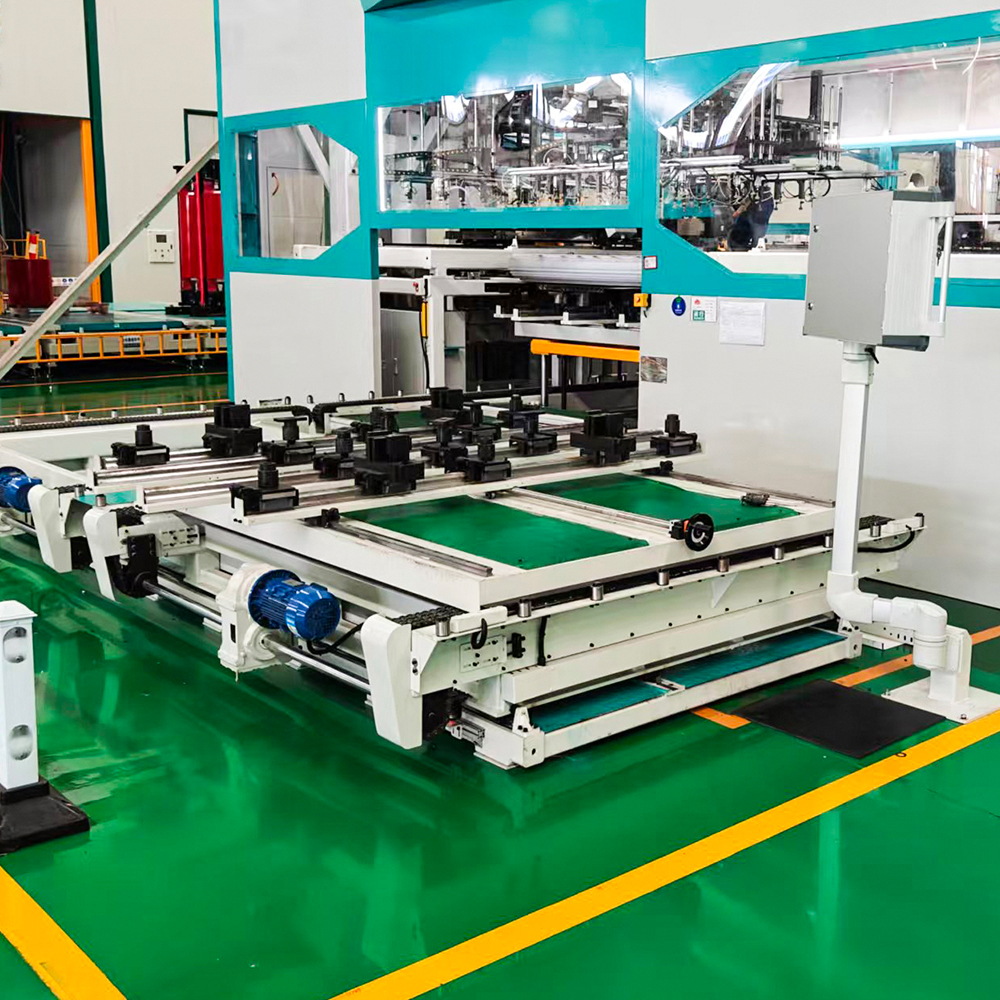
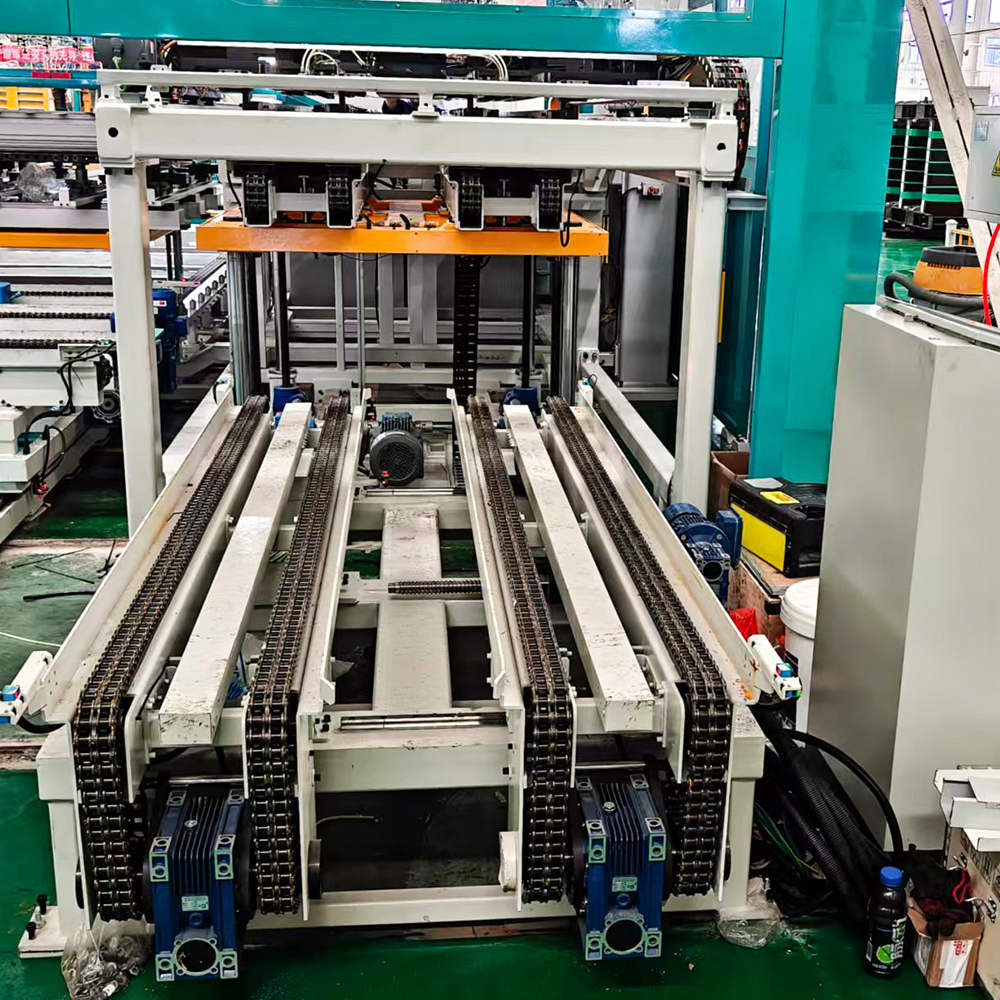
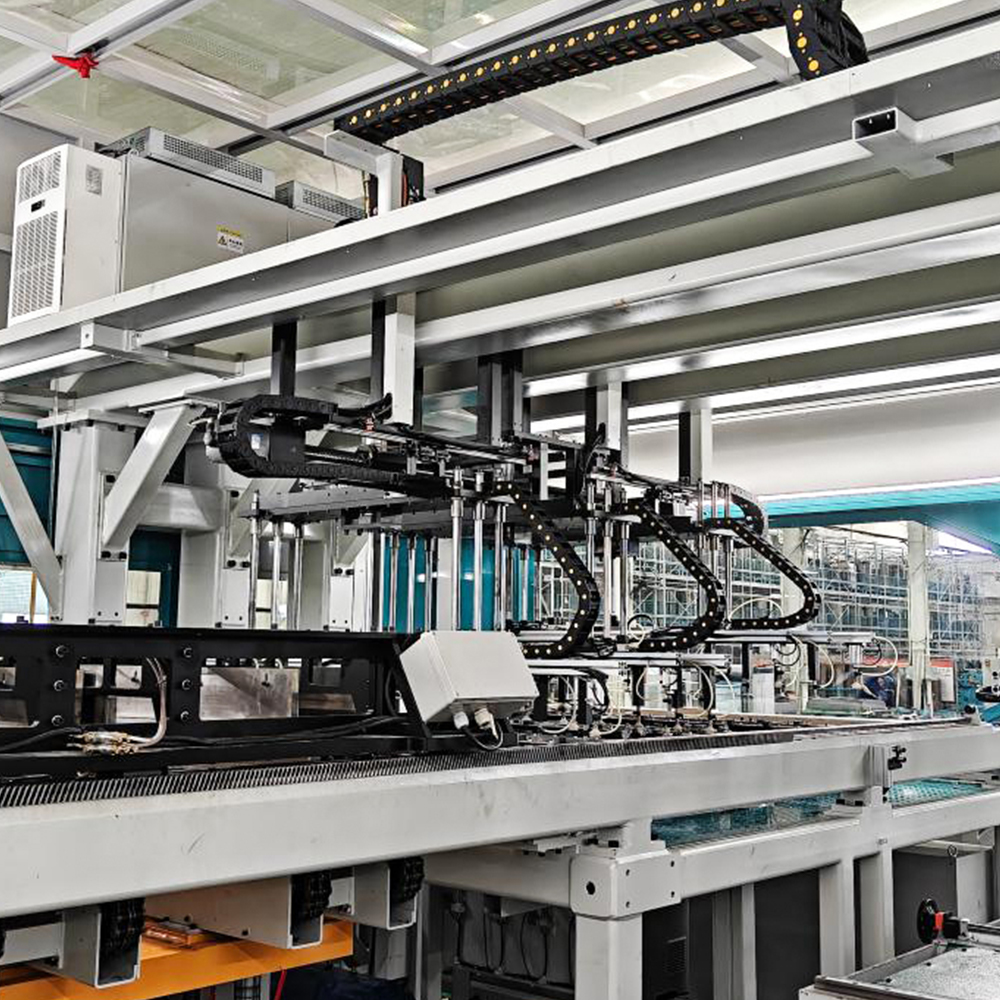
Although less common than thermal or mechanical failures, partial discharge (PD) activity within the core stack is a growing concern for high-voltage mining transformers (above 6kV). Void defects in the interlaminar insulation, or micro-cracks induced by thermal cycling, create localized electric field enhancements. Over months, these PD pulses erode the insulation, gradually carbonizing the surrounding resin and generating conductive paths. Once a complete interlamination short occurs, the affected area experiences massive circulating current, causing rapid local heating and potentially leading to a tank explosion in the presence of methane. Modern mining explosion-proof transformer cores from Jiangsu Jingtianxia Electric Technology Co., Ltd. are vacuum-pressure impregnated (VPI) with high-grade solventless varnish, effectively filling all air gaps and suppressing PD inception. Furthermore, the company employs advanced core stacking robots that ensure uniform pressure across each packet, minimizing voids. Despite these measures, PD monitoring using ultra-high-frequency (UHF) sensors is recommended for critical installations, especially in gassy mines where early warning can prevent catastrophic events.
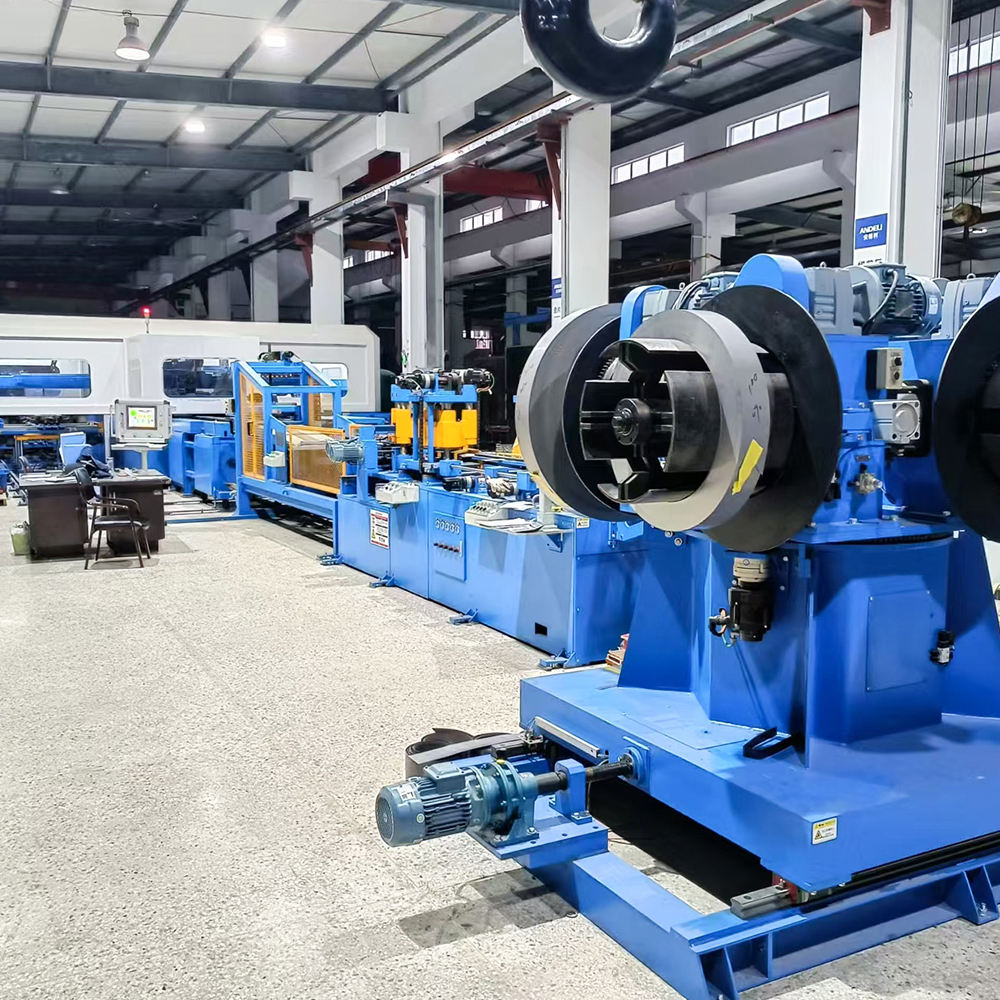
Though the core itself does not carry primary current, severe external short circuits at the transformer terminals produce immense electrodynamic forces that are transmitted through the windings to the core. These forces can bend core clamping beams, shift laminations, or even break the core grounding strap. While the enclosure is explosion-proof, internal mechanical distortion may reduce the magnetic air gap, causing saturation and excessive magnetizing current. Repeated fault events cumulatively deform the core, shifting its B-H curve and increasing noise and losses. Jiangsu Jingtianxia Electric Technology Co., Ltd. addresses this by designing their mining explosion-proof transformer core with additional bracing ribs and high-tensile through-bolts, tested to withstand 25 times rated short-circuit current without permanent deformation. Their in-house core cutting and stacking equipment ensures precise dimensional control, so even under extreme fault conditions, the core retains its electromagnetic integrity.
Thermal-induced insulation degradation is the most common failure, driven by restricted heat dissipation inside the explosion-proof enclosure. This leads to varnish embrittlement, interlamination shorts, and progressive core overheating, which together account for nearly 40% of premature core replacements.
Jiangsu Jingtianxia Electric Technology Co., Ltd. employs mining-grade anti-corrosion coatings, high-strength resin impregnation for vibration damping, and optimized magnetic circuits to reduce temperature rise. Every core undergoes 100% thermal and mechanical stress screening, ensuring compliance with IEC/ATEX standards for gassy environments.
No, but it can be minimized. Even with electrophoretic coatings, scratches during handling or condensation inside the tank can initiate rust. Regular IR testing, desiccant replacement, and visual inspections are mandatory. Jiangsu Jingtianxia Electric Technology Co., Ltd. provides optional stainless steel cladding for extreme corrosive mines.
For high-risk mines, quarterly inspections are advised—including thermal imaging, no-load loss measurement, and partial discharge screening. Annually, a full mechanical torque check and insulation resistance test (500V or 1000V megger) should be performed. Jiangsu Jingtianxia Electric Technology Co., Ltd. offers remote diagnostic services using IoT-enabled sensor data to predict core health.
Minor issues—like loose clamping bolts or surface rust—can be rectified on-site. However, interlamination shorts, cracked laminations, or severe corrosion generally require full core replacement. Jiangsu Jingtianxia Electric Technology Co., Ltd. supplies drop-in replacement cores with identical magnetic and dimensional specs to minimize downtime.