When a transformer manufacturer receives two quotations for the same oil-immer...
READ MOREBuyer's Responsibilities
Delivery, Acceptance & Inspection
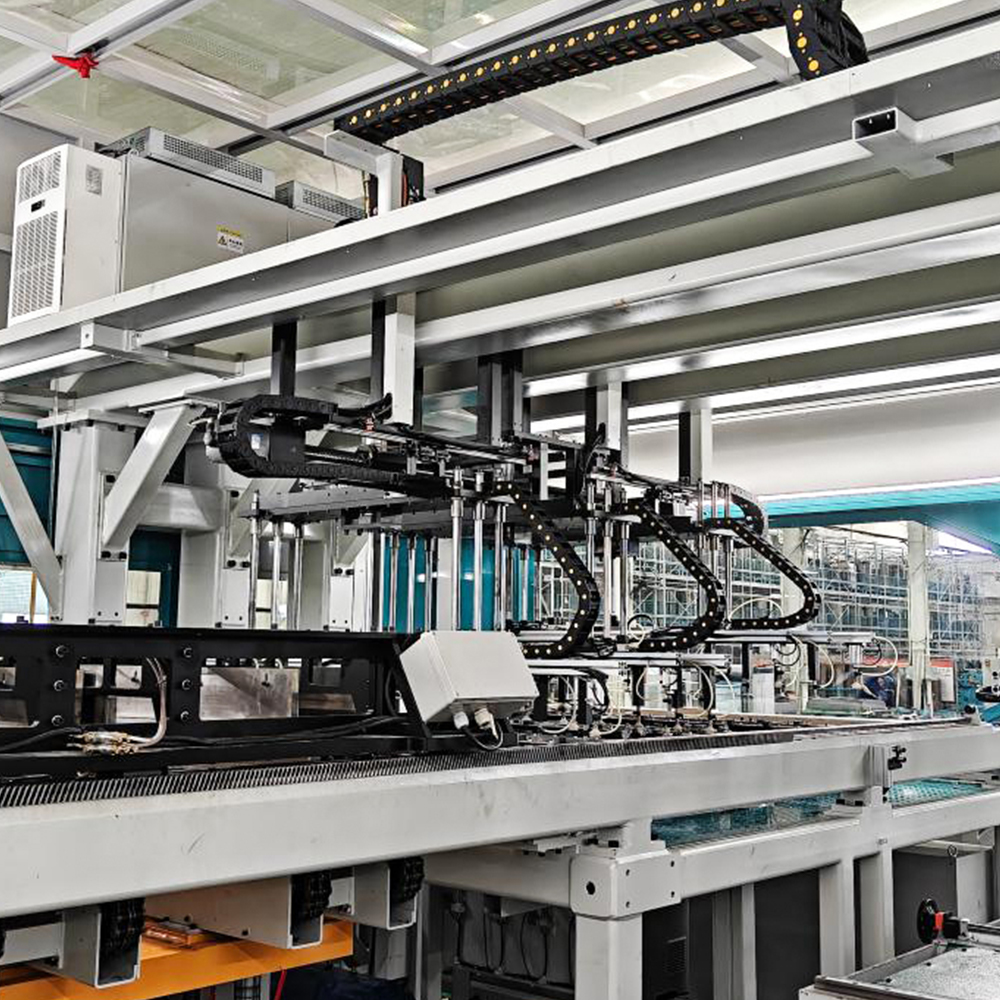
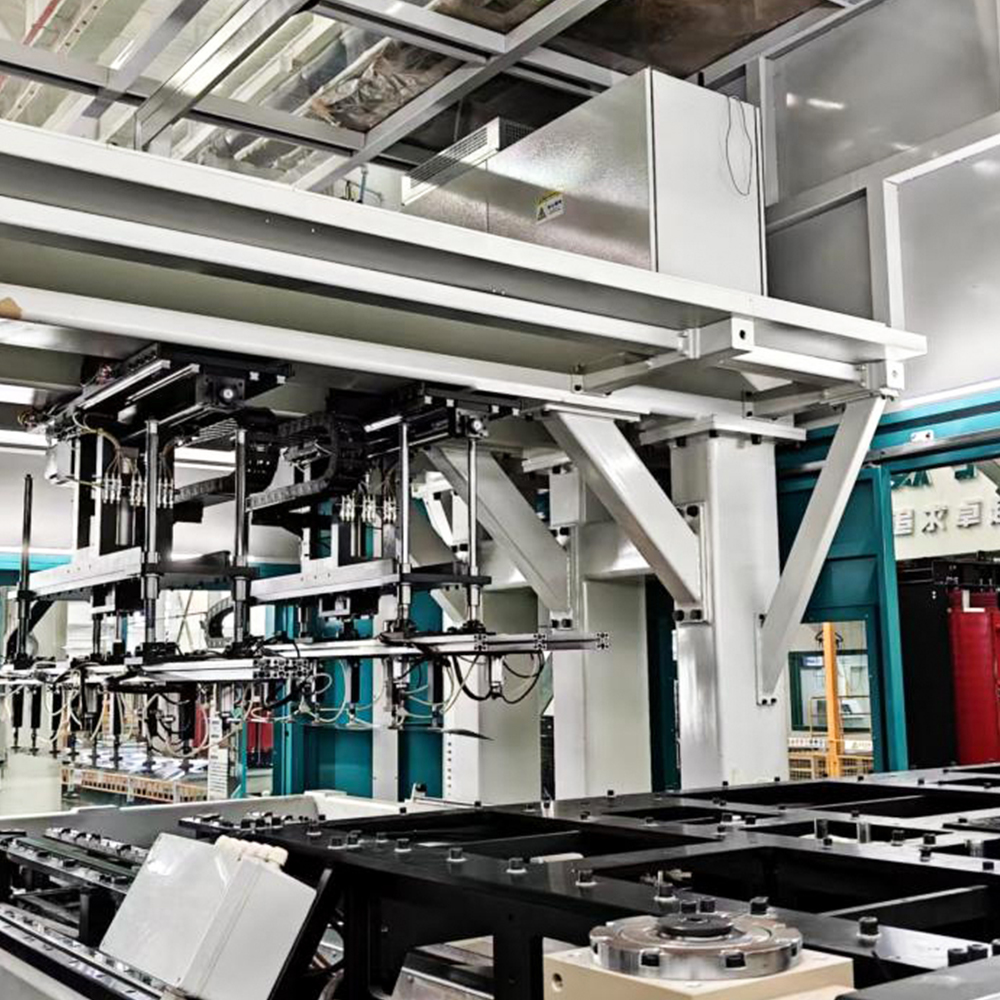
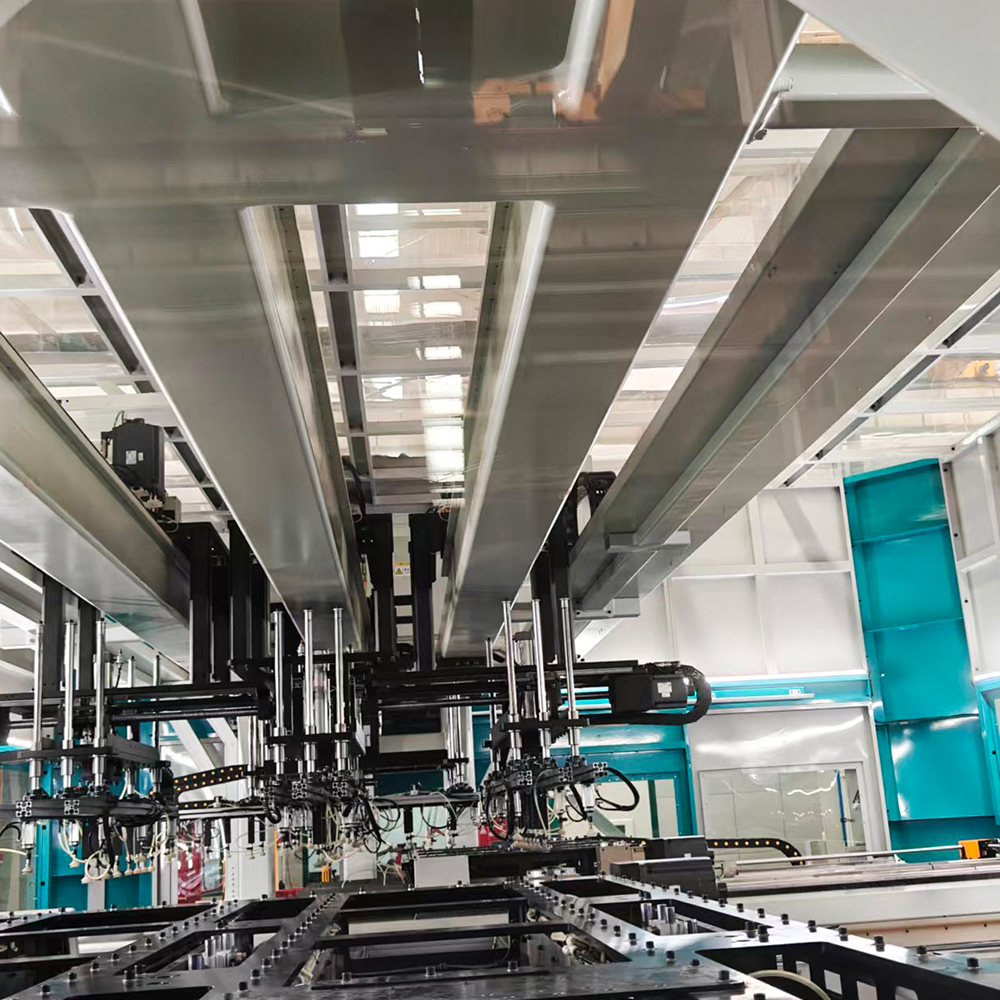
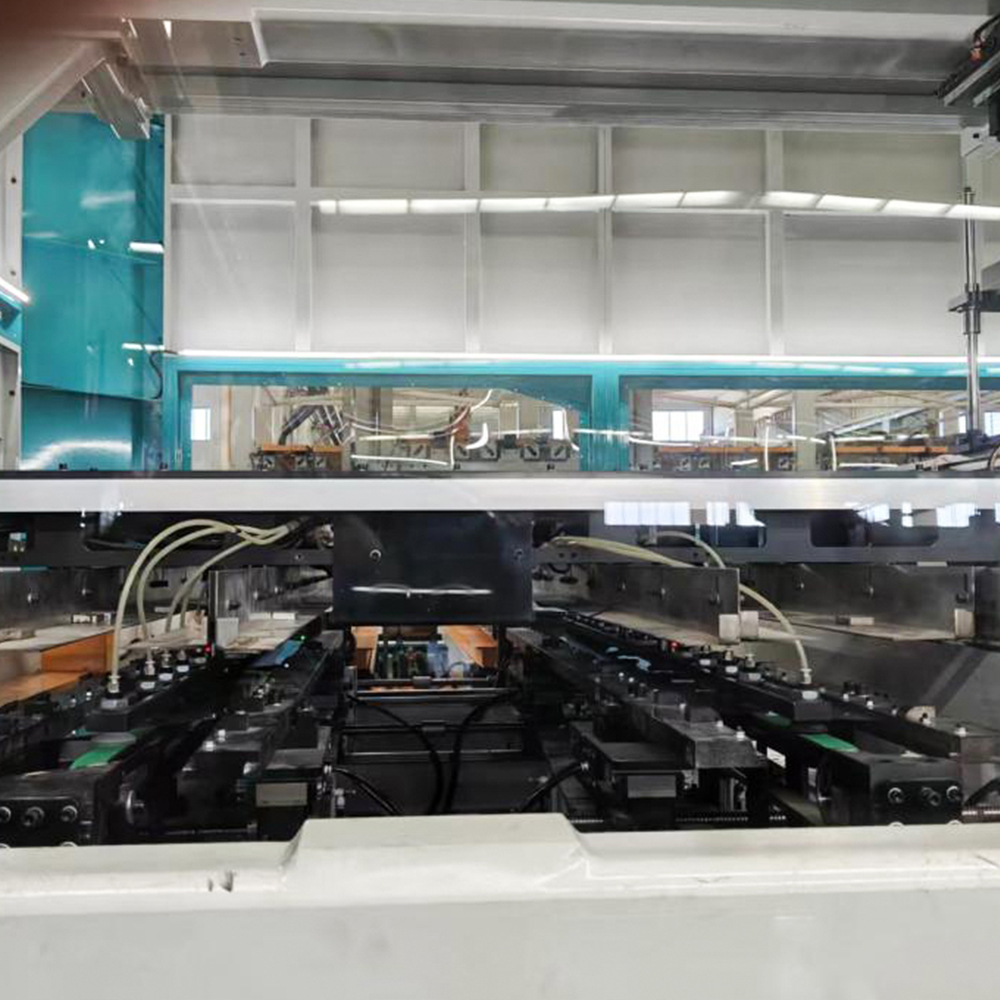
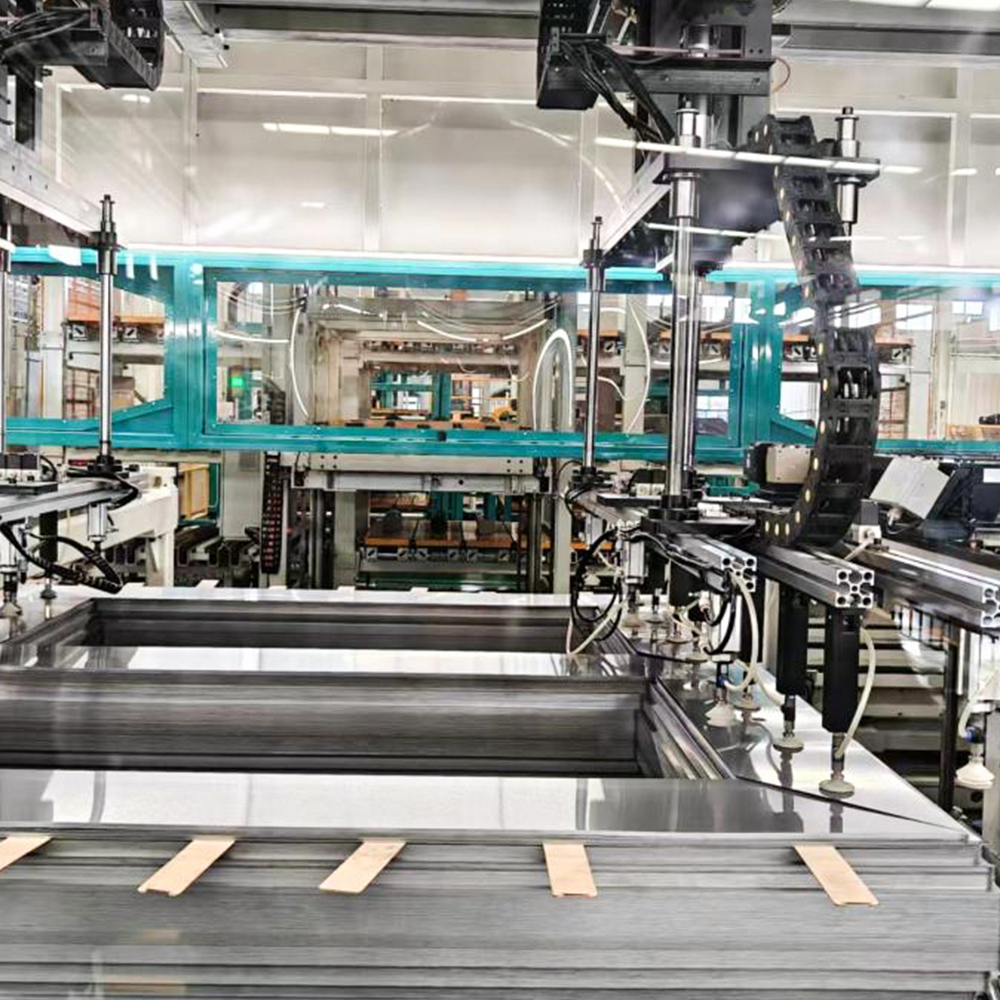
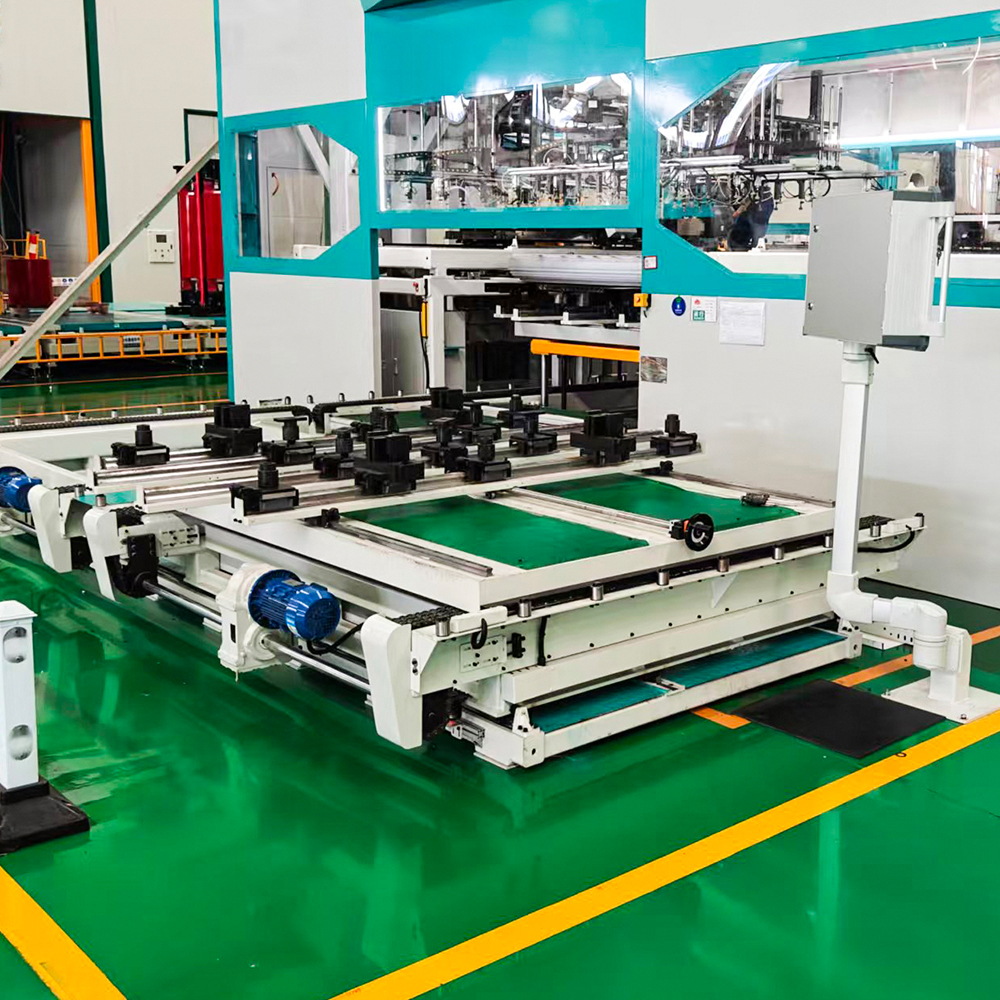
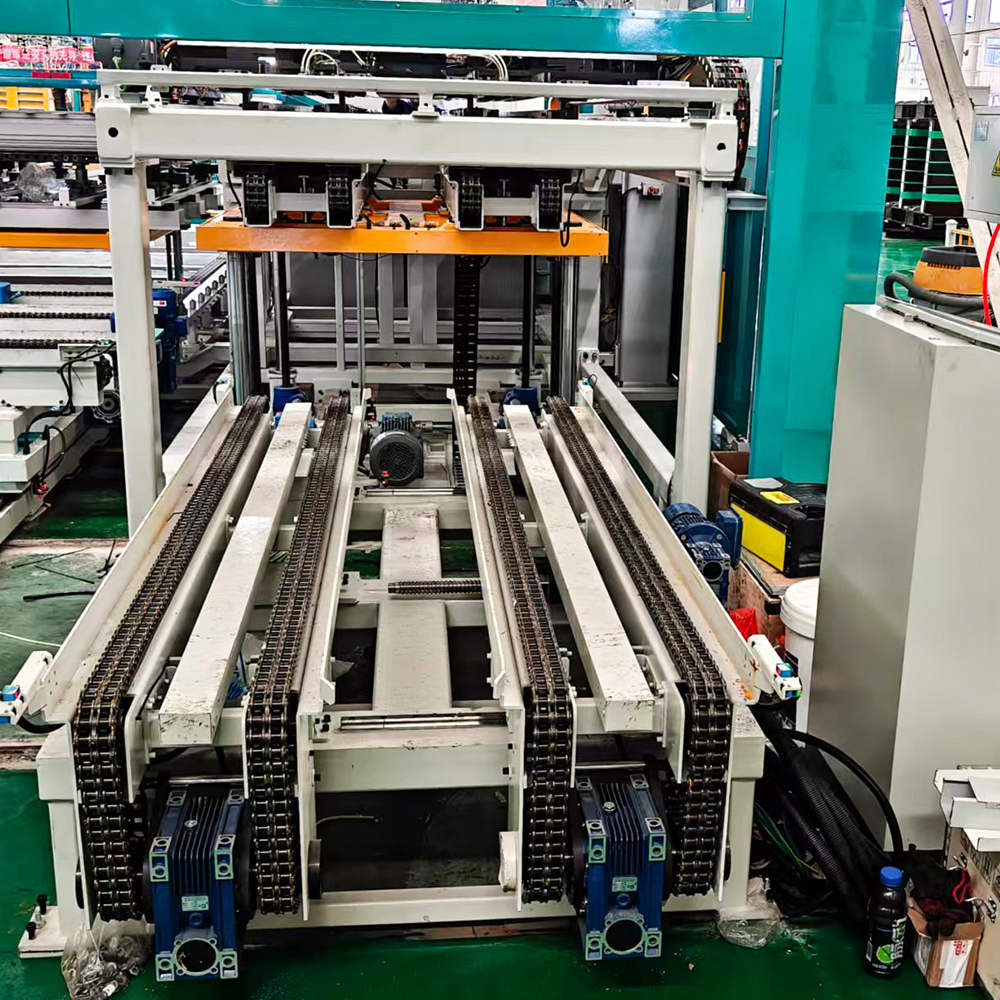
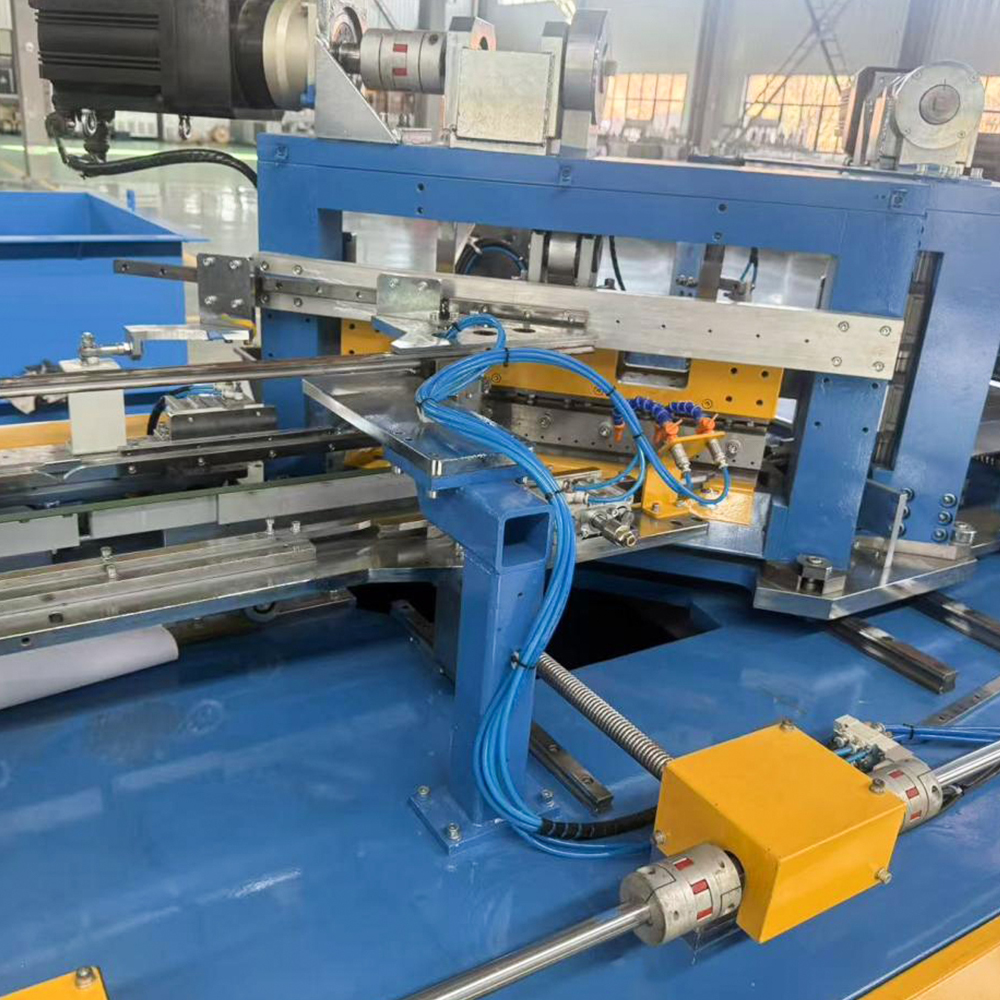
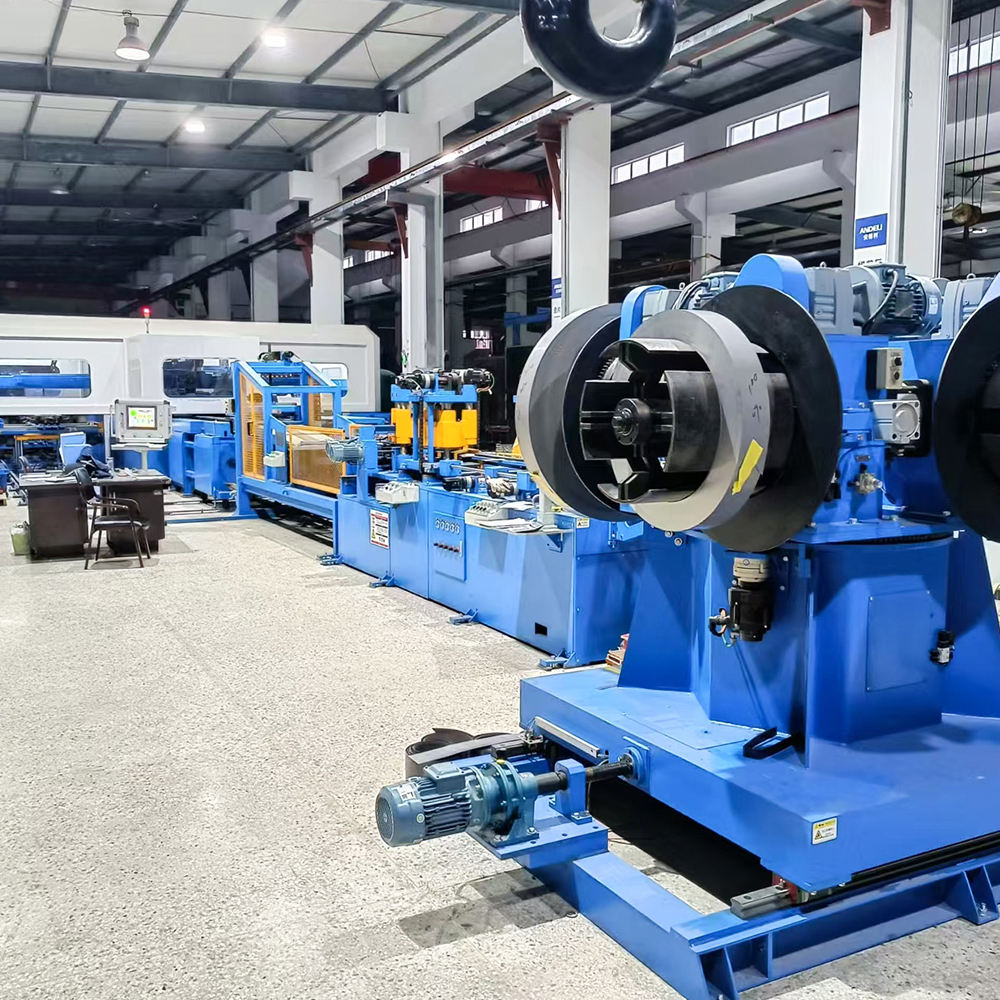
Equipment Composition
| Complete Equipment Composition | |||
| No. | Component | Qty. | Remarks |
| 1 | Equipment Main Body | 1 set | |
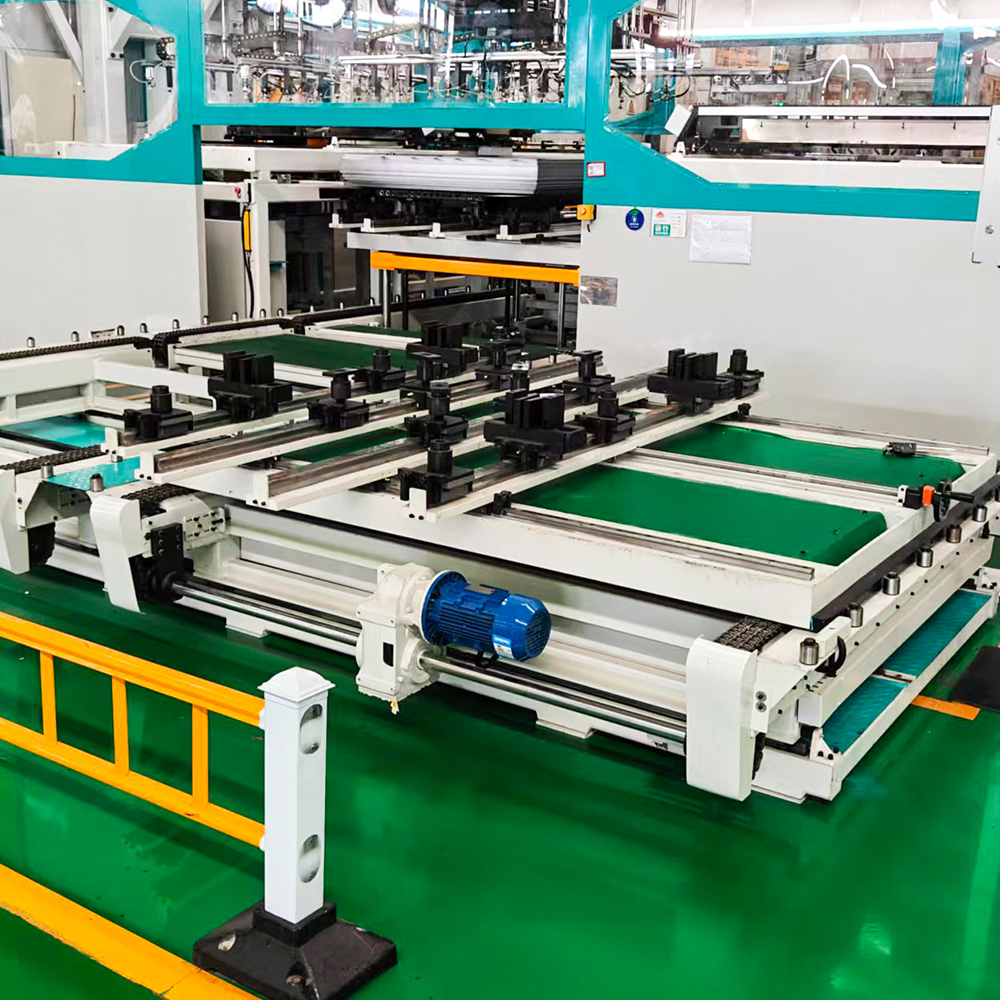
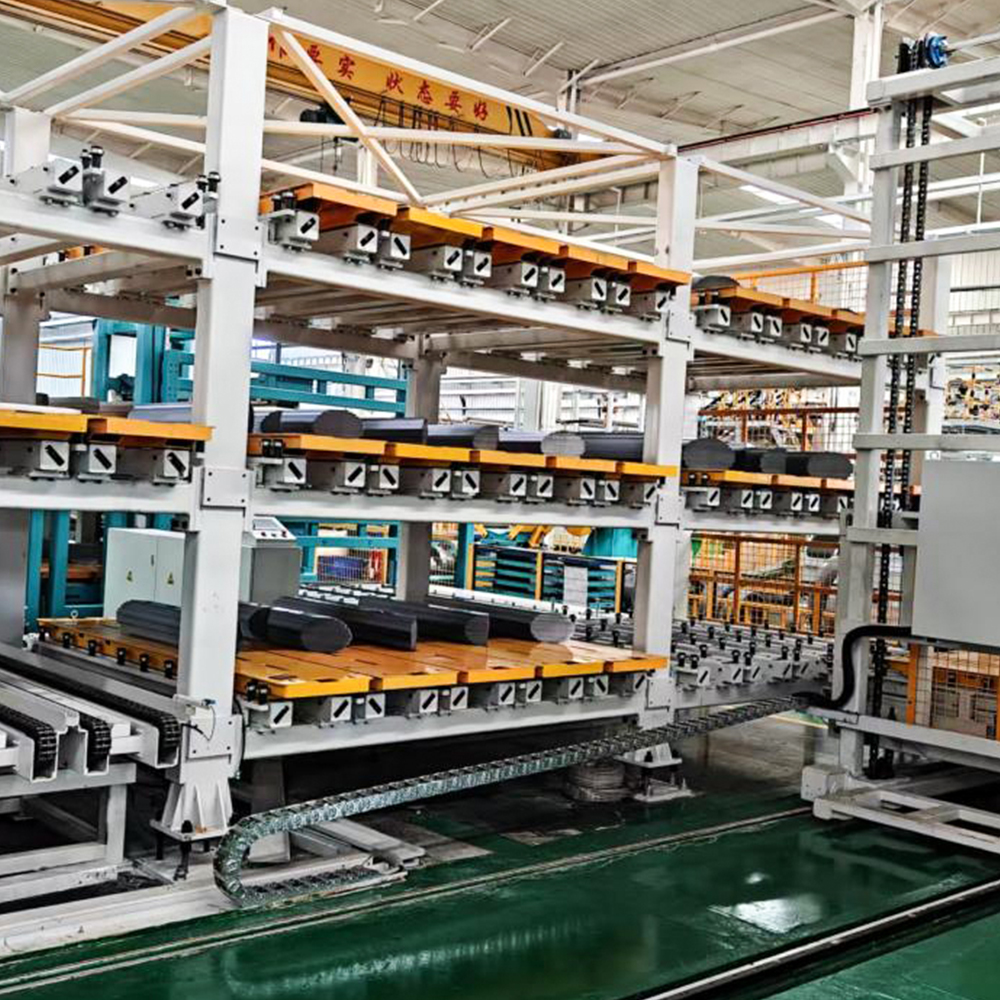
| 2 | Material Distribution & Transport Bed | 1 set | |
| 3 | Finished Product Stacking Platforms & Exchange Platforms | 4+4 sets | 4 stacking + 4 standby |
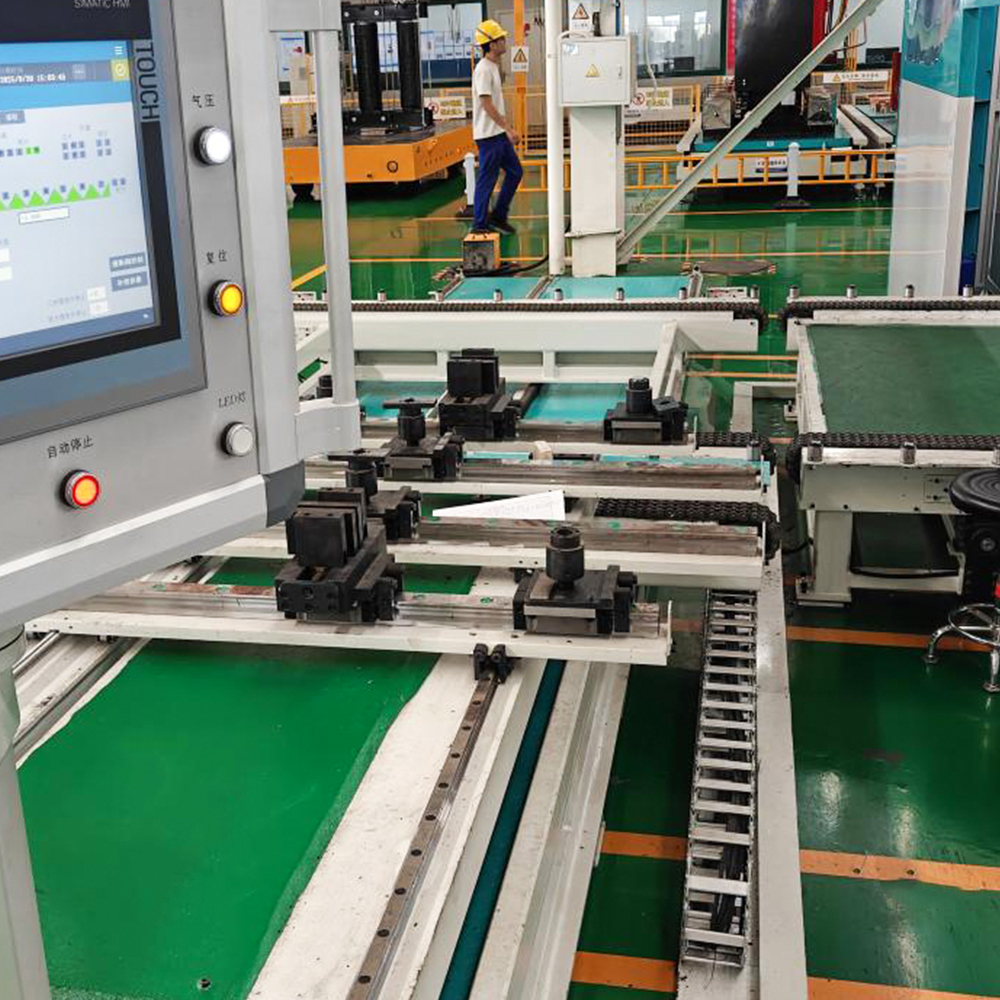
| 4 | Electrical Control Cabinet | 1 set | Includes system controller, servo drives, and frequency inverter |
Main Technical Parameters(Stacking Machine)
| No. | Performance Parameter | ZXD-440 | |
| 1 | Lamination Specifications | Width | 50–440 mm |
| Thickness | 0.18–0.35 mm | ||
| Side Limb Length | 380 mm (corner-to-corner) – 2500 mm (tip-to-tip) | ||
| Yoke Length | 380 mm (corner-to-corner) – 2500 mm (tip-to-tip) | ||
| Center Limb | 380–2060 mm | ||
| Max Core (L×W×H) | 2500×2500×600 mm | ||
| 3 | Stacking Accuracy | Same-grade Length Direction | ≤±0.5 mm |
| Same-grade Width Direction | ≤±0.5 mm | ||
| Same-grade Thickness Error (stacked by sheet count) | ≤1 mm | ||
| Note: | Core accuracy is simultaneously affected by sheet cutting accuracy and stacking accuracy. Manual reshaping after stacking is required to achieve higher precision. If the shutdown for reshaping due to the buyer's higher precision requirements reduces equipment productivity in normal production, responsibility lies with the buyer and is unrelated to the supplier's equipment. | ||
| 8 | Stacking Cycle Time | Approx. 60 sheets/min Acceptance standard core: Width 260 mm; Length 1000 mm | |
| 9 | Air Supply | Pressure | ≥0.6 MPa |
| Total Air Consumption (energy-saving vacuum generator; reduces compressed air costs) | ≤0.6 m³/min | ||
| 10 | Equipment Noise | ≤80 dB | |
| 11 | Equipment Color | Factory standard: Main color: Light Grey 7035, Sky Blue 5015; Moving parts: Signal Yellow 1003. Custom colors available. | |
| 12 | Working Voltage | Voltage Fluctuation | 380 V ±10% |
| Frequency | 50 Hz ±2% | ||
| 13 | Installed Capacity | 55 kW | |
Main Components & Brands (Shearing Line)
| No. | Item | Brand |
| 1 | Control System & Touch Screen | Siemens |
| 2 | Servo Drive System | Siemens |
| 4 | Electrical Components | Schneider low-voltage switches; Panasonic relays |
| 5 | Proximity Switches | Autonics / SICK |
| 6 | Push Buttons | Eaton (Moeller) or equivalent |
| 7 | Three-phase Motors | Siemens (Bode) / Jiegong / Yinda or equivalent |
| 8 | Solenoid Valves | SMC (Japan) or equivalent |
| 9 | Cylinders & Regulating Valves | SMC (Japan) or equivalent |
| 10 | Vacuum System | SMC (Japan) or equivalent |
| 11 | Vacuum Suction Cups | SMC (Japan) or equivalent |
| 12 | Linear Guide Rails | WON / PMI / ROUST WORLD / Jiding or equivalent |
| 13 | Ball Screws | NanGongYi / AHK / DTK / Jinqiu or equivalent |
| 14 | Racks & Gears | Atlanta (Germany) / APEX or equivalent |
| 15 | Servo Reducers | Neugart / ZD / Tandler or equivalent |
Technical Documentation
| No. | Document Name | Quantity |
| 1 | Equipment Parts List | 2 copies |
| 2 | Certificate of Conformity | 1 copy |
| 3 | Electrical Schematic Diagram | 2 printed copies + 1 electronic file |
| 4 | Electrical Wiring Diagram | 2 printed copies + 1 electronic file |
| 5 | Electrical Component Manuals | 1 copy each |
| 6 | Equipment Operation Manual (operating procedures, maintenance & service norms) | 2 printed copies + 1 electronic file |
| 7 | Installation Floor Plan | 1 printed copy + 1 electronic file |
Installation, Commissioning, Training, After-Sales Service & Warranty
| Installation, Commissioning & Training | The supplier's engineers provide free on-site training on operation, maintenance, and upkeep. | Time required: Installation and commissioning are generally completed within 2 weeks. Personnel training (equipment operators and maintenance technicians) begins simultaneously with installation and ends upon completion of installation. | |
| After-Sales Service | If equipment problems arise, the supplier dispatches personnel for repair and provides basic troubleshooting and daily maintenance guidance. | ||
| Daily Response Time | Response within 24 hours. On-site arrival: same day within the supplier's province; next day for other provinces. | ||
| Holiday Response Time | Response within 24 hours. On-site arrival during holidays if the buyer has on-duty personnel. | ||
| Note: | 1. For faults requiring on-site service, arrival is generally within 48 hours; phone resolution is preferred where possible. 2. The supplier provides lifetime service; discounted spare parts, components, and technical support continue after the warranty period. 3. If the buyer defaults on payment after acceptance, the supplier makes no warranty commitment. | ||
| Warranty Period | 12 months from the date of final acceptance. During the warranty period, if a fault arises due to equipment quality issues or correct operation per the supplier's procedures, the supplier provides free parts and repair at no cost to the buyer. If a fault arises due to failure to follow operating procedures or overloading, the supplier promptly resolves the fault and charges only the component cost. | ||
When a transformer manufacturer receives two quotations for the same oil-immer...
READ MOREAt equipment review meetings, the question "which of the following is true reg...
READ MORETransformer core manufacturing represents one of the most critical processes in...
READ MOREAt the heart of every electrical transformer lies a component that is both simp...
READ MOREIndependent intellectual property rights and continuous technological innovation...
READ MOREFaced with growing production and operational pressure, automated warehousing sy...
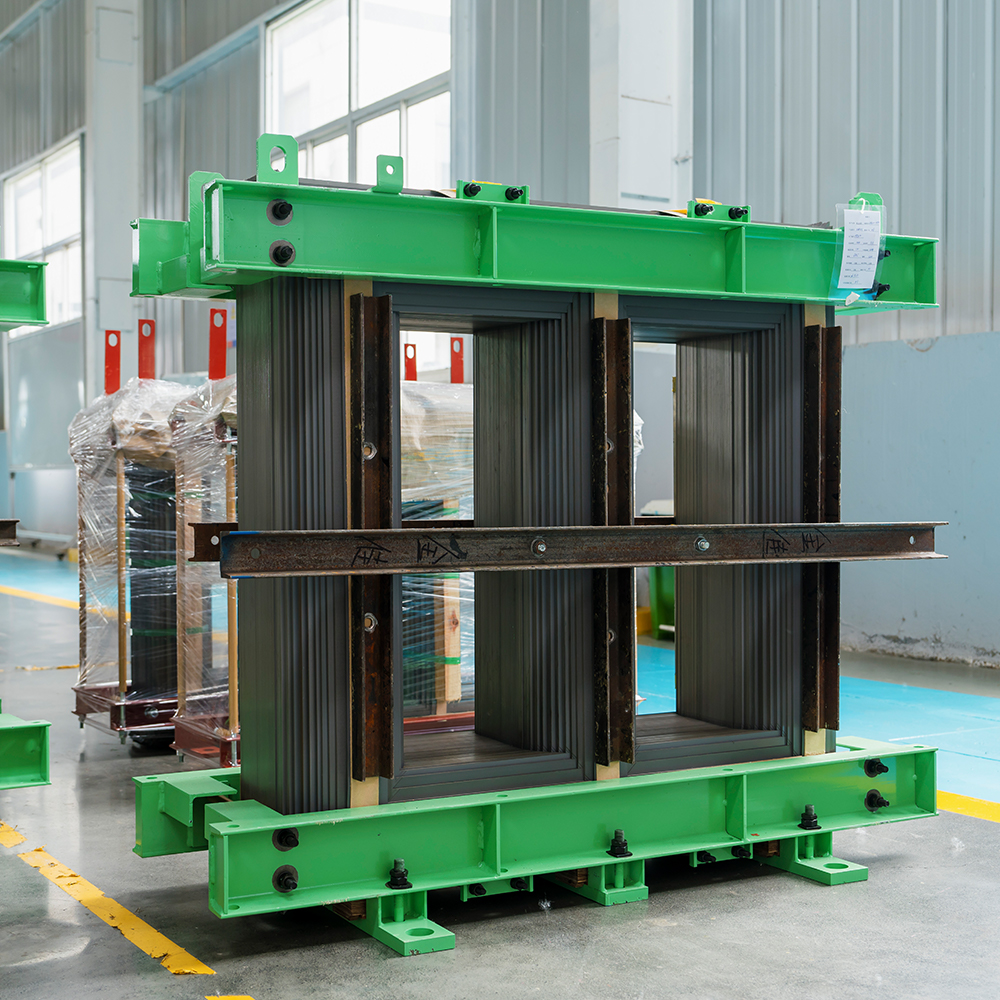
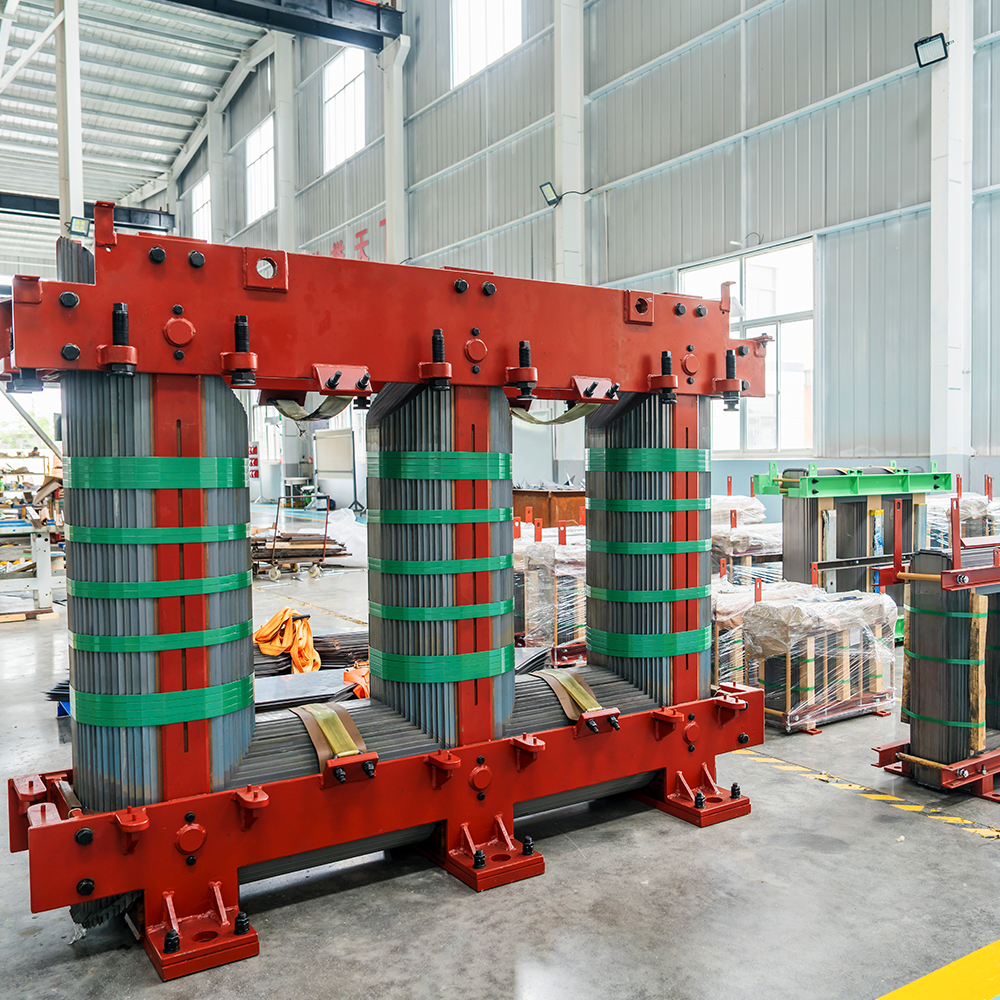
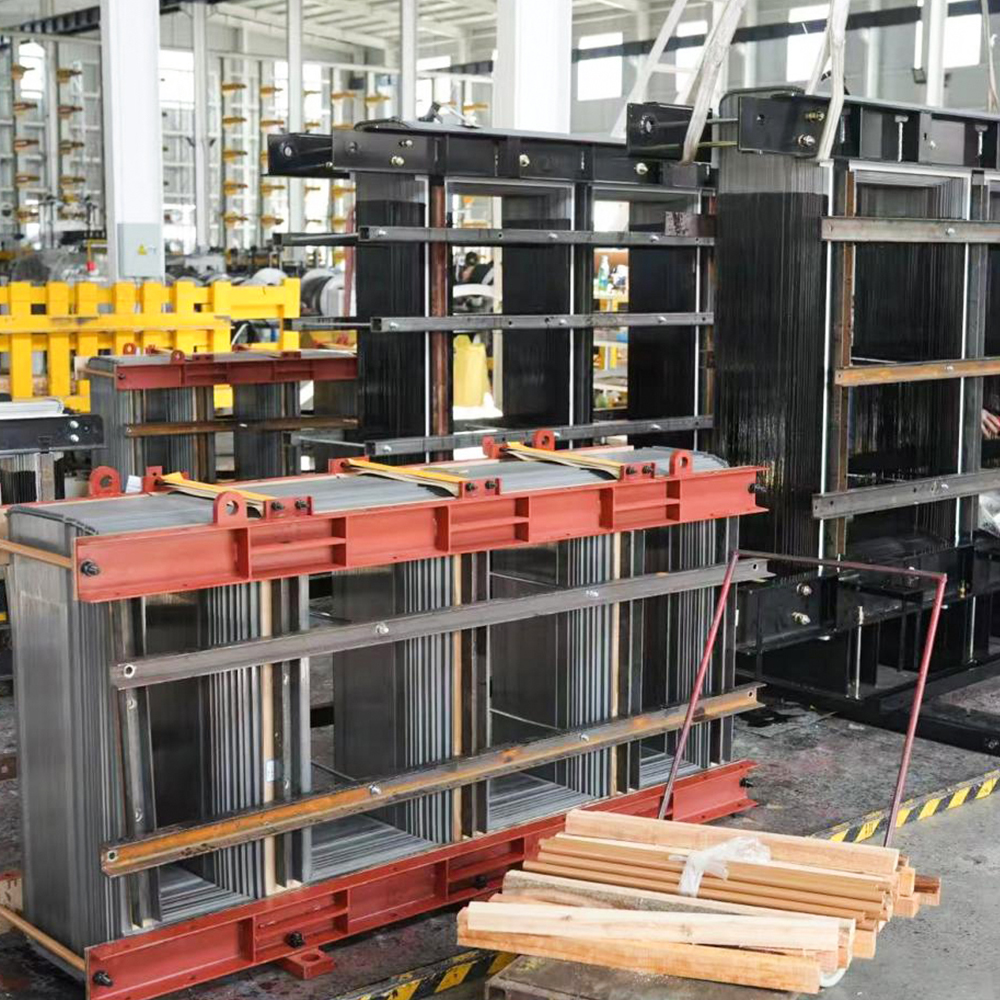
READ MOREIn modern transformer core manufacturing, the choice between in-line and offline stacking configurations fundamentally affects production efficiency, labor deployment, quality consistency, and floor-space utilization. At the center of this technological evolution is the zxd-440 automatic in-line transformer core stacking production line, a system engineered to eliminate traditional bottlenecks by synchronizing shearing and stacking. This article provides a rigorous, comparative analysis of in-line versus offline stacking methodologies, drawing on the specific design philosophy of the zxd-440 system and the manufacturing capabilities of Jiangsu Jingtianxia Electric Technology Co., Ltd. We examine three distinct product-oriented subcategories—high-speed continuous stacking modules, precision gap-control stacking units, and intelligent data-integrated stacking lines—to illustrate how in-line technology redefines core assembly.
Definition and positioning: High-speed continuous stacking modules represent the core operational arm of the zxd-440 automatic in-line transformer core stacking production line. These modules are directly coupled to the transverse shearing line, enabling simultaneous shearing and stacking without intermediate handling. Unlike offline systems, where cut laminations are stacked on pallets, transported, and then manually fed into stacking stations, this module performs stacking in real time as strips exit the shear.
Core functions and technical features: The module operates at speeds matching the shear output, with servo-driven pick-and-place heads that orient each lamination according to programmed step-lap patterns. It eliminates the traditional steps of hoisting after shearing and manual stacking, reducing cycle time by over 40% in typical shop-floor configurations. Built-in sensors monitor lamination flatness and edge burr height, automatically rejecting defective pieces before stacking.
Typical applications: This module is ideal for high-volume distribution transformer cores (up to 2,000 kVA) where throughput is the primary constraint. It excels in factories running two or three shifts, as its automated feeding reduces operator fatigue and error rates.
Differentiation from offline stacking: Offline stacking requires dedicated staging areas, manual crane operations, and separate stacking jigs. Each transfer introduces alignment errors and edge damage. In contrast, the zxd-440 automatic in-line transformer core stacking production line maintains continuous material flow, preserving the precise orientation set by the shear and eliminating re-alignment steps.
Jiangsu Jingtianxia Electric Technology Co., Ltd. has integrated this module with proprietary quick-change tooling, allowing a single in-line stacking system to handle core widths from 40 mm to 400 mm without mechanical adjustments exceeding 5 minutes. This flexibility is rarely achievable in offline setups, which often require dedicated fixtures per core size.
Definition and positioning: The second critical subcategory within the zxd-440 automatic in-line transformer core stacking production line is the precision gap-control unit. While offline stacking depends on operator skill to maintain uniform air gaps between core packets, this unit automates gap measurement and adjustment using laser triangulation sensors and closed-loop servo actuators.
Core functions and technical features: Each stacking cycle measures the actual gap at five reference points across the core leg. The unit then compensates by micro-adjusting the next lamination's position or by selecting a shim lamination from a dedicated feeder. This feature directly addresses transformer no-load losses, as uneven gaps are a primary cause of increased magnetizing current. The system stores gap histograms per core batch, enabling statistical process control.
Typical applications: This unit is indispensable for power transformer cores (10 MVA and above) and for specialized traction transformers where loss penalties are severe. It is also used in cores with mitred joints requiring extremely tight tolerances (±0.02 mm) that manual offline methods cannot consistently achieve.
Differentiation from offline stacking: Offline stacking relies on feeler gauges and operator judgment, which introduce variability across shifts and operators. Moreover, offline systems cannot adjust gaps dynamically after the core is assembled; any correction requires partial disassembly. The in-line stacking approach with the zxd-440 platform ensures that gap data is tracked per lamination, and corrections are applied in real time, resulting in a more consistent magnetic circuit.
Jiangsu Jingtianxia Electric Technology Co., Ltd. has validated this unit in over 200 installations, demonstrating an average reduction of 8–12% in core losses compared to offline manual stacking for the same steel grade. The company's R&D team (46+ technical professionals) developed proprietary gap-control algorithms that are now integrated into the standard automatic in-line stacking line software suite.
| Parameter | ZXD-440 In-Line Unit | Offline Manual Stacking |
| Gap measurement method | Laser triangulation (5 points) | Feeler gauge (spot-check) |
| Correction frequency | Every lamination cycle | After full core assembly |
| Typical gap tolerance | ±0.02 mm (Cpk ≥ 1.67) | ±0.08 – 0.15 mm (operator dependent) |
| Data traceability | Batch-level histogram & individual core logs | Limited (manual records) |
| Setup time for new core type | ≤ 3 minutes (recipe recall) | 15 – 30 minutes (jig change + training) |
Definition and positioning: The third pillar of the zxd-440 automatic in-line transformer core stacking production line is the intelligent data-integration layer, which transforms the stacking line from a standalone machine into a node within the factory's digital manufacturing ecosystem. Offline stacking, by contrast, operates as an isolated workstation with minimal digital feedback.
Core functions and technical features: This system collects real-time data from shear sensors, stacking servos, gap-control units, and vision inspection cameras. It aggregates key performance indicators (KPIs) such as overall equipment effectiveness (OEE), stacking yield, mean time between assists (MTBA), and core loss prediction based on measured gaps. The system also interfaces with warehouse management systems to automatically request steel coils based on consumed tonnage.
Typical applications: This intelligent line is deployed in smart factories pursuing Industry 4.0 certification, as well as in multi-product facilities where changeover frequency is high. It enables predictive maintenance by tracking servo motor currents and vibration patterns, alerting operators before unplanned downtime occurs.
Differentiation from offline stacking: Offline systems generate little to no digital data; quality checks are often performed after stacking is complete, leading to delayed detection of issues. The in-line intelligent system, however, provides closed-loop quality control—if a deviation is detected, the line can pause and auto-correct, or flag the core for rework before it leaves the station. This capability is especially valuable for high-reliability applications like marine transformers and wind-turbine step-up units.
Jiangsu Jingtianxia Electric Technology Co., Ltd. has embedded this intelligence into every zxd-440 in-line stacking solution delivered since 2024, leveraging its in-house software team to customize dashboards for each client's enterprise resource planning (ERP) system. The company's integrated approach—covering transformer cores, intelligent core stacking equipment, core transverse cutting machines, intelligent warehousing, and automated logistics—ensures that the data-integrated stacking line communicates seamlessly with upstream and downstream equipment.
| Aspect | ZXD-440 In-Line Stacking | Offline Stacking (Conventional) |
| Material flow | Continuous (shear → stack → output) | Batch (shear → store → transport → stack) |
| Labor requirement per shift | 1 – 2 operators (monitoring only) | 4 – 6 operators (manual handling + stacking) |
| Core loss variability (COV) | ≤ 3.5% | 8 – 12% |
| Floor space footprint | Compact (eliminates staging area) | Larger (requires buffer zones and jig storage) |
| Changeover time (new core type) | 2 – 5 minutes (software recipe) | 20 – 45 minutes (mechanical + training) |
The primary advantage is simultaneous shearing and stacking, which eliminates the traditional steps of hoisting after shearing and manual stacking. This reduces cycle time by over 40%, minimizes handling-induced edge damage, and ensures that every lamination is stacked in the exact orientation as it leaves the shear—resulting in tighter gap control and lower core losses.
The zxd-440 uses laser triangulation sensors to measure gaps at five points per cycle and applies closed-loop servo corrections immediately. Offline adjustment relies on manual feeler gauges and corrections only after full assembly, which cannot dynamically compensate for variations during stacking. The in-line unit achieves ±0.02 mm tolerance with full traceability.
Yes. Through recipe management software, the zxd-440 automatic in-line transformer core stacking production line stores up to 1,000 core designs. Changeover between widths (40–400 mm) and thicknesses (0.18–0.35 mm) takes 2–5 minutes, compared to 20–45 minutes for offline systems that require physical jig changes and operator retraining.
Jiangsu Jingtianxia Electric Technology Co., Ltd. provides end-to-end integration—from the in-line stacking line and transverse cutting machines to intelligent warehousing and logistics. With over 46 technical specialists, the company offers customized software dashboards, predictive maintenance frameworks, and global field support, ensuring that each zxd-440 installation aligns with the client's existing production ecosystem.