
Home / Products / Silicon Steel Cut-to-Length Lines / HJ-DZ-440 Silicon Steel Cut-to-Length Line
  • HJ-DZ-440 Silicon Steel Cut-to-Length Line
  • HJ-DZ-440 Silicon Steel Cut-to-Length Line
  • HJ-DZ-440 Silicon Steel Cut-to-Length Line
  • HJ-DZ-440 Silicon Steel Cut-to-Length Line
  • HJ-DZ-440 Silicon Steel Cut-to-Length Line
  • HJ-DZ-440 Silicon Steel Cut-to-Length Line
  • HJ-DZ-440 Silicon Steel Cut-to-Length Line
  • HJ-DZ-440 Silicon Steel Cut-to-Length Line
  • HJ-DZ-440 Silicon Steel Cut-to-Length Line
  • HJ-DZ-440 Silicon Steel Cut-to-Length Line
  • HJ-DZ-440 Silicon Steel Cut-to-Length Line
  • HJ-DZ-440 Silicon Steel Cut-to-Length Line
  • HJ-DZ-440 Silicon Steel Cut-to-Length Line
  • HJ-DZ-440 Silicon Steel Cut-to-Length Line
  • HJ-DZ-440 Silicon Steel Cut-to-Length Line
  • HJ-DZ-440 Silicon Steel Cut-to-Length Line
  • HJ-DZ-440 Silicon Steel Cut-to-Length Line
  • HJ-DZ-440 Silicon Steel Cut-to-Length Line

HJ-DZ-440 Silicon Steel Cut-to-Length Line

Product Definition

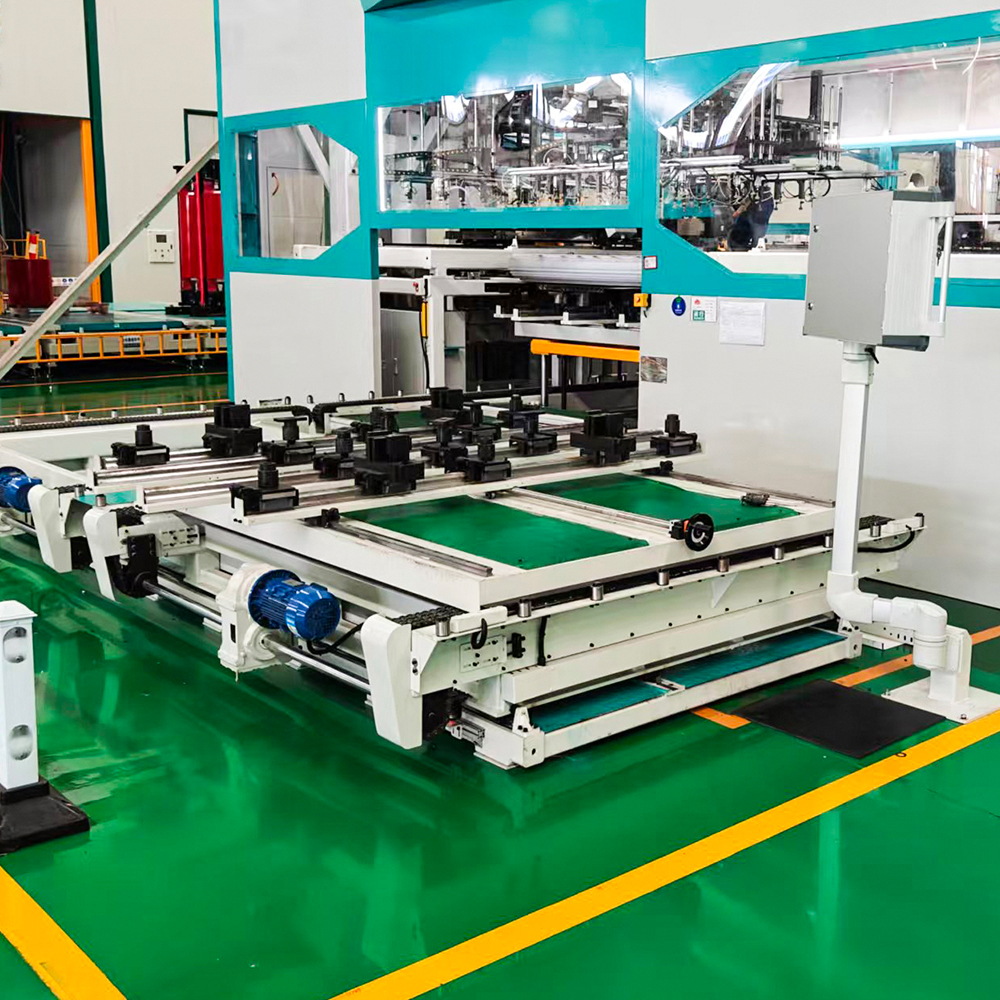
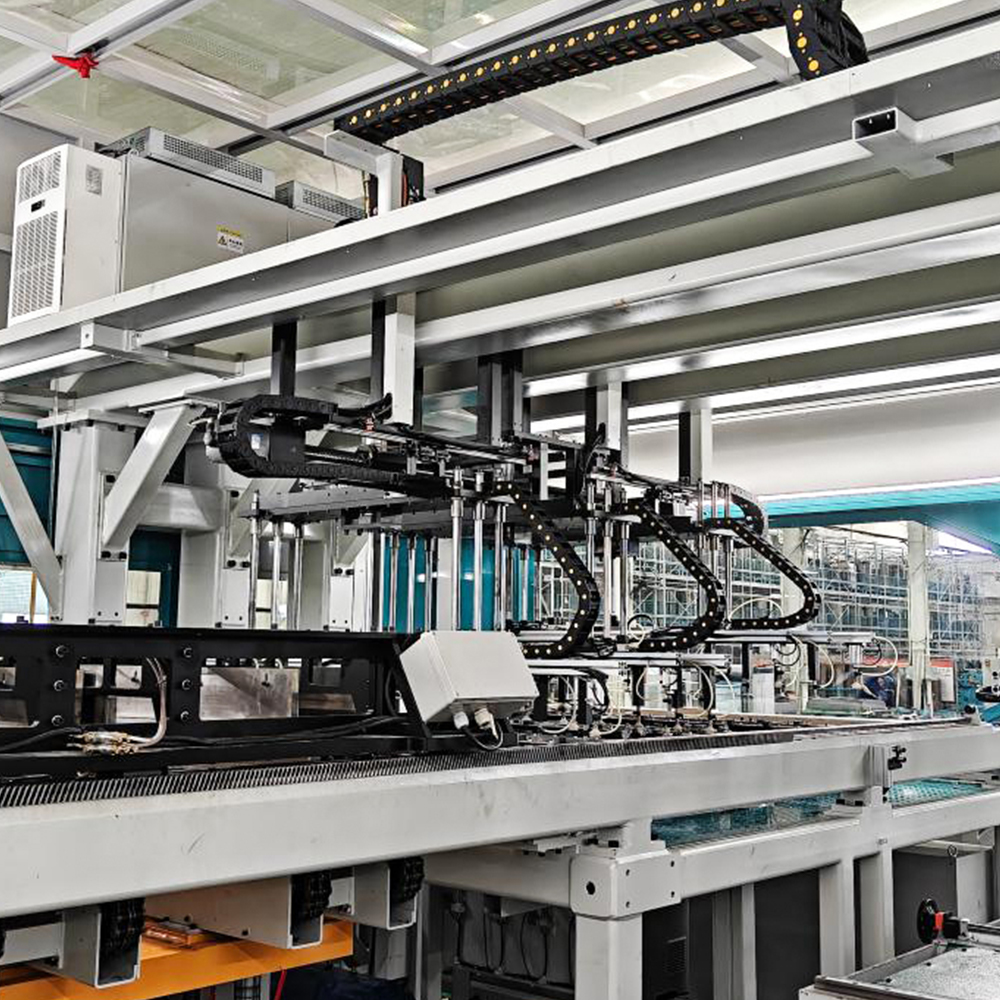
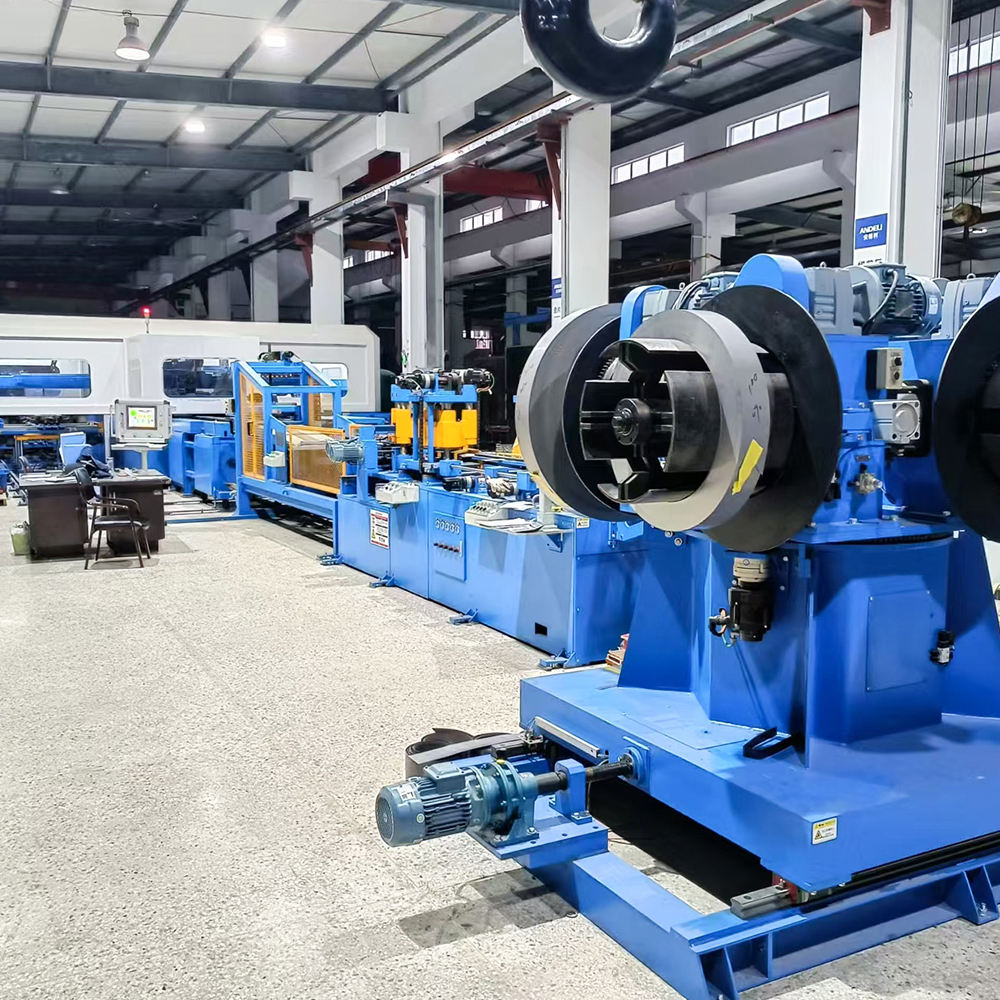
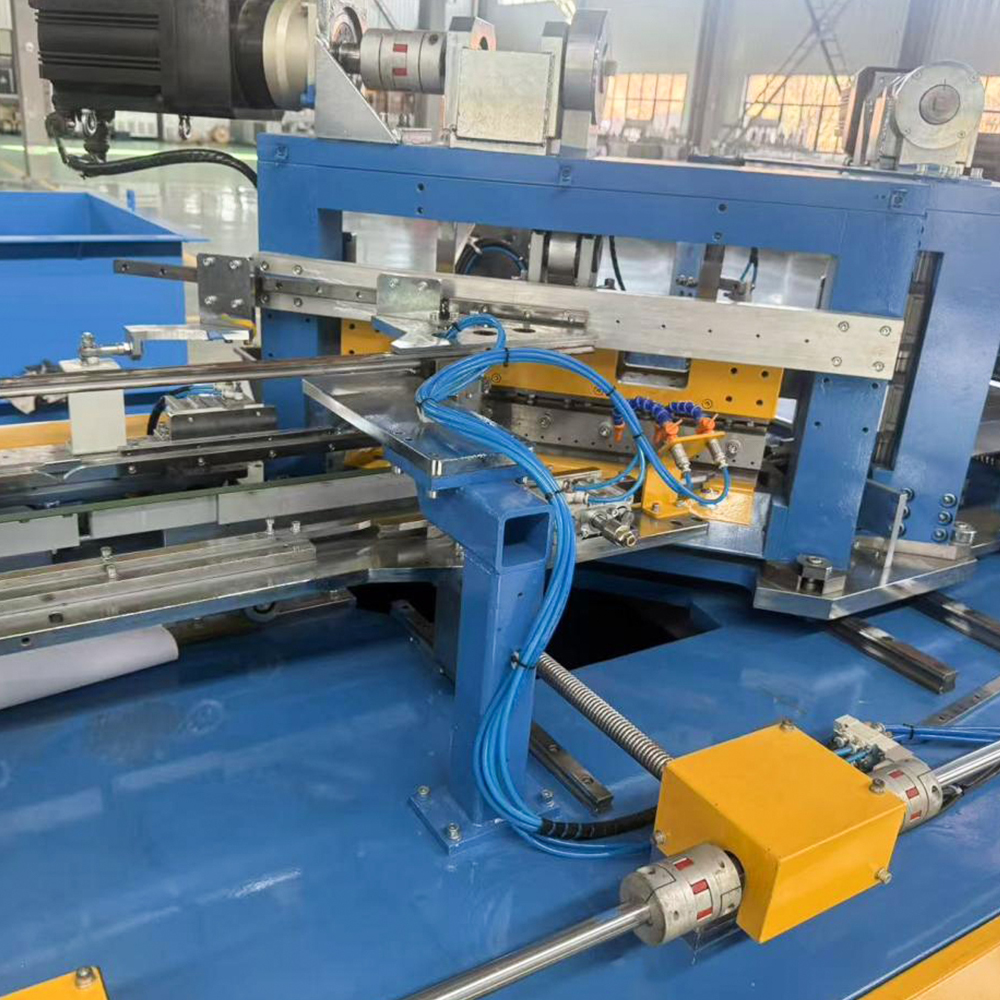
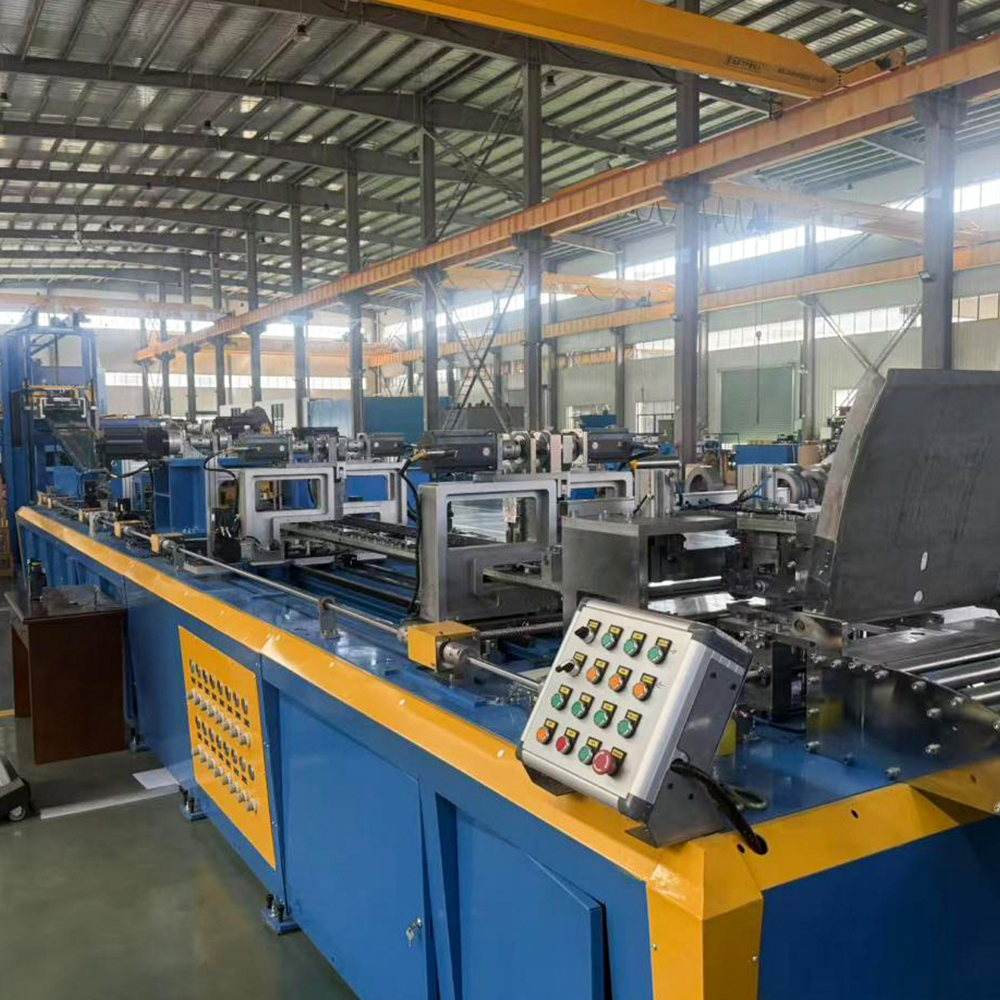
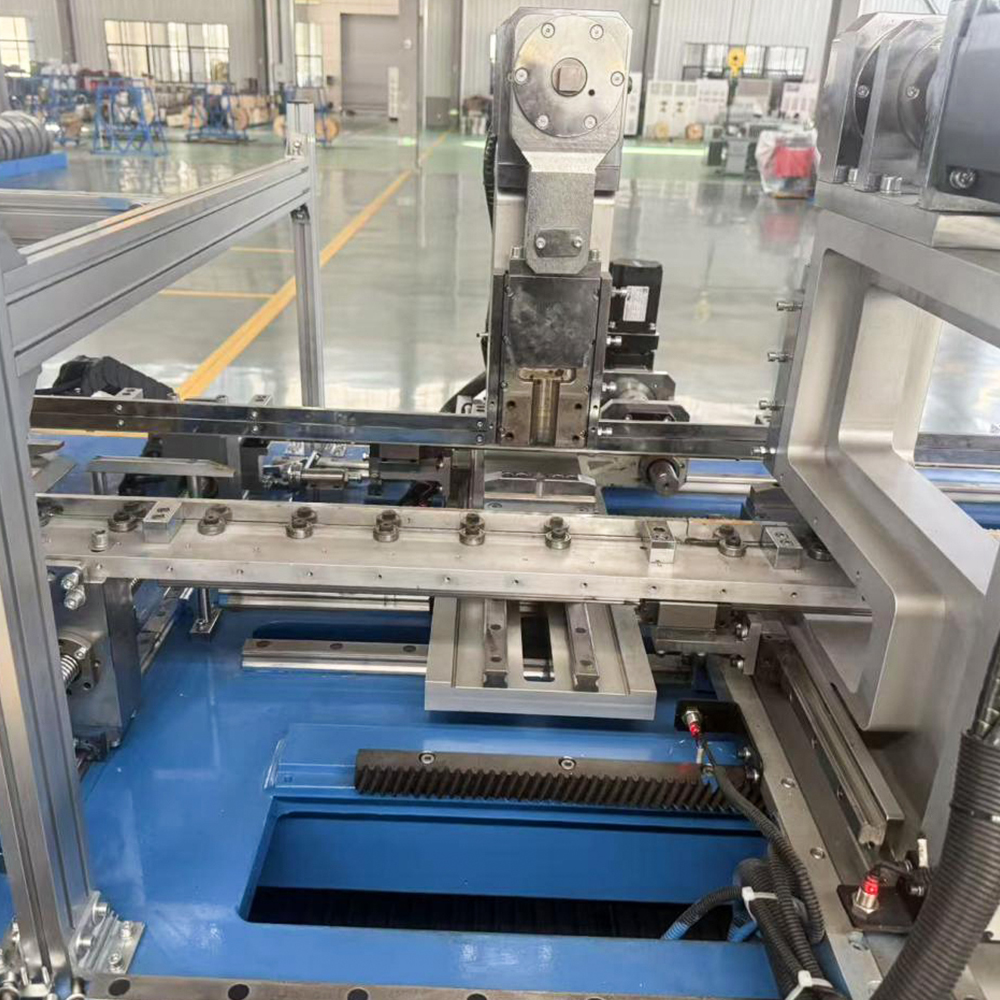
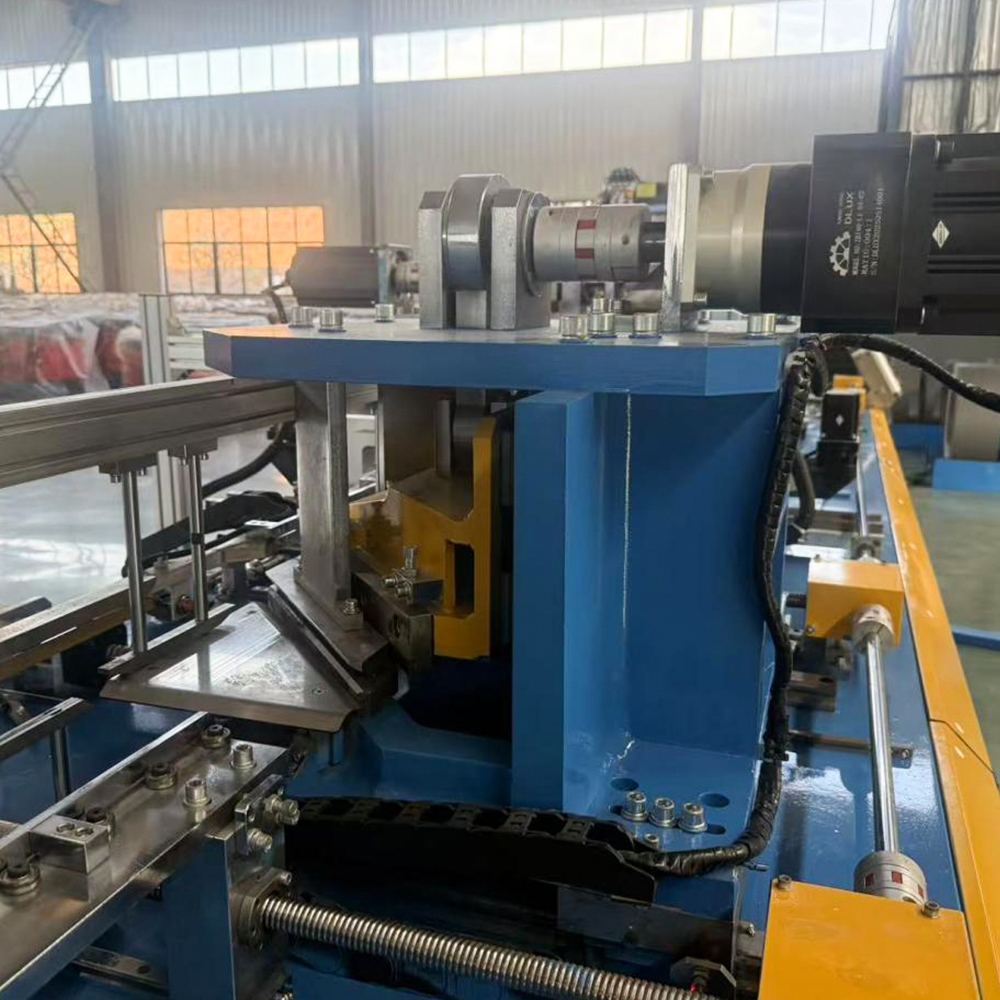
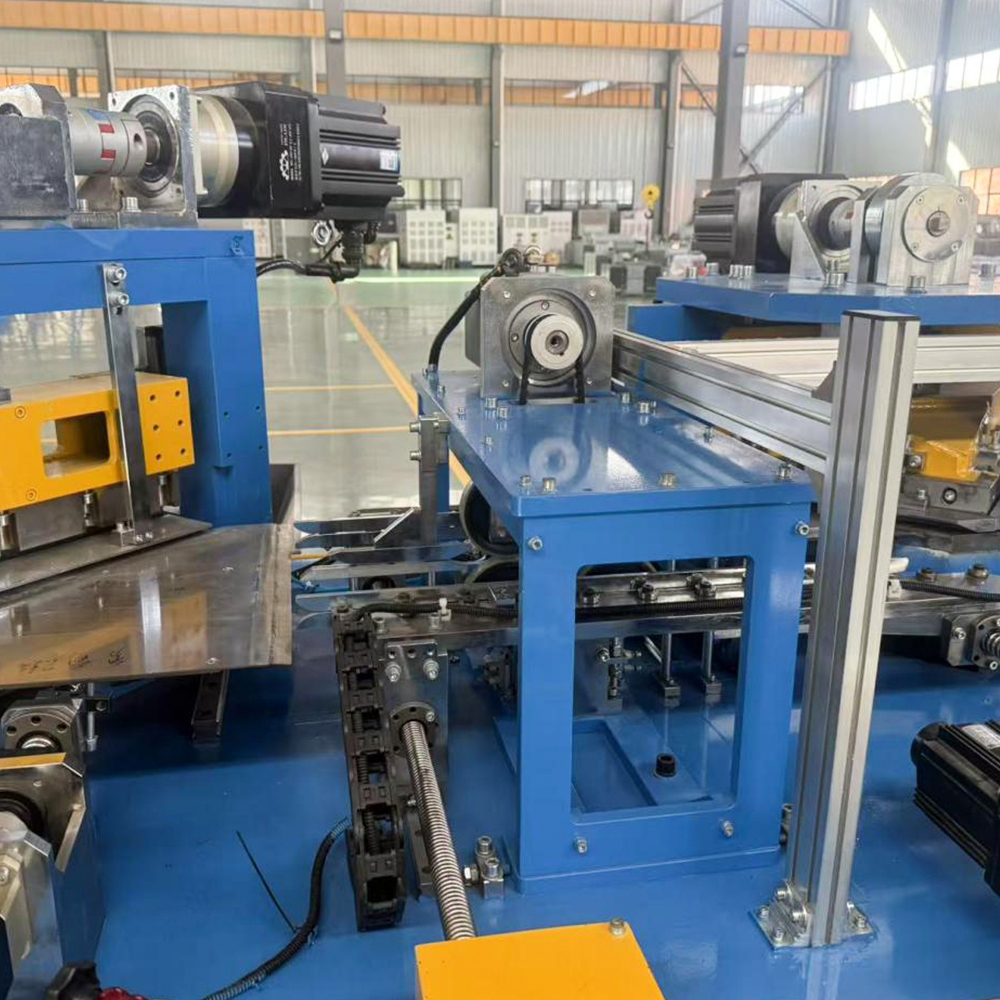
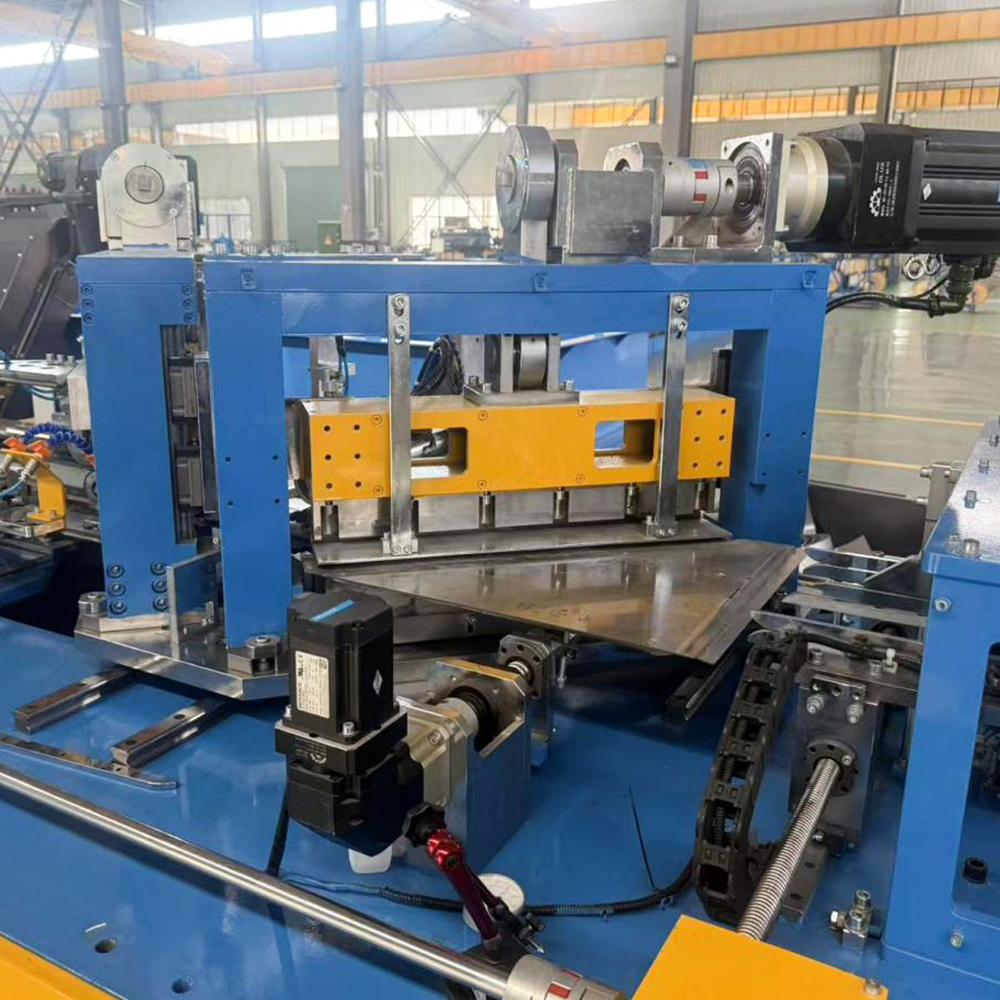
The HJ-DZ-440 Transformer Core Transverse Shearing Line is a high-precision automated shearing machine purpose-built for transformer core in-line stacking processes. Featuring a Siemens motion control system and a fully servo-driven architecture, the machine integrates feeding, hole punching, V-punching, 45°/135° shearing, and intelligent material management in a single unit, with a maximum processing width of 440 mm.
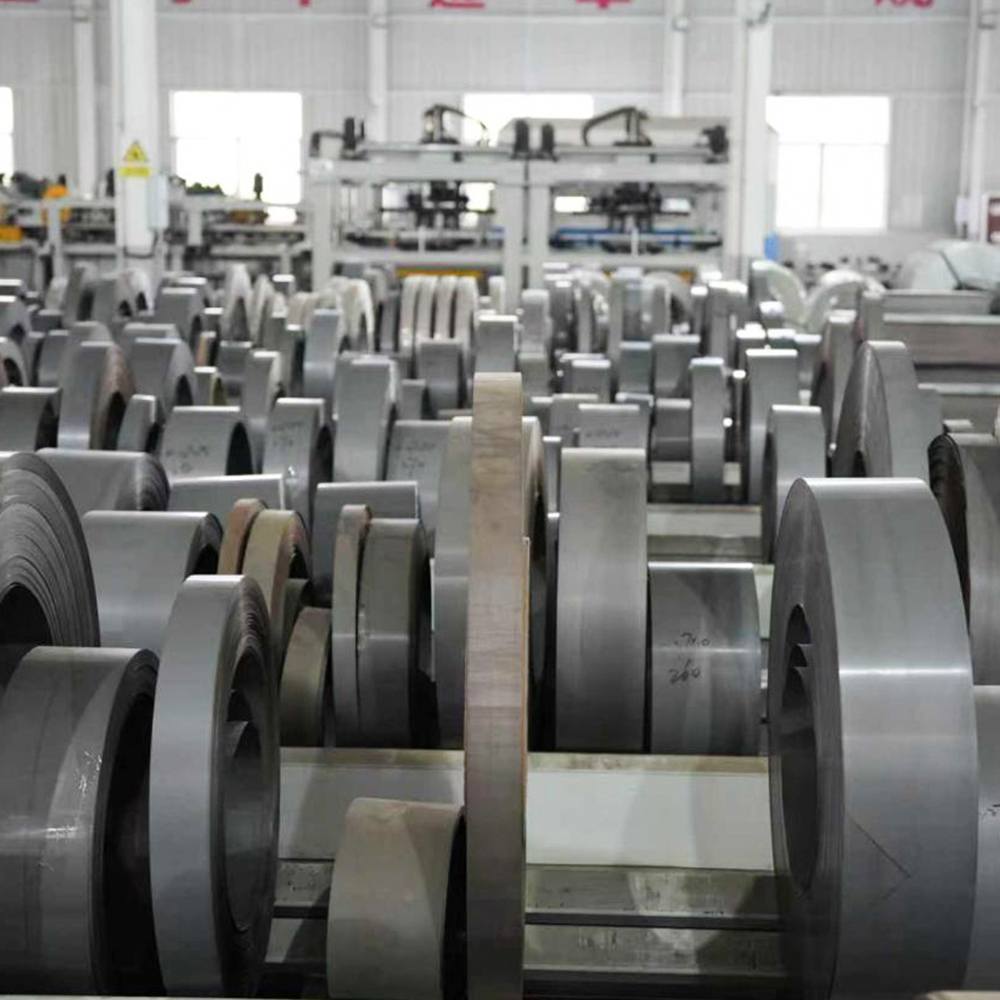
The equipment processes cold-rolled grain-oriented silicon steel coils into precisely shaped laminations that meet the exacting requirements of core stacking processes, achieving fully automated production from coil to finished sheets. The standard configuration is a "2-Shear, 4-Punch" structure (2 shear units, 2 V-punch units, 2 hole-punch units), supporting transverse and longitudinal 3-step, 5-step, and 7-step progressive cutting. It is compatible with a wide range of core structures and suits both offline shearing and direct in-line stacking production modes.

Contact Us
Add Cart

Product Advantages

High-Precision Servo Control — Superior Cutting Accuracy
A servo motor external-encoder fully closed-loop dual length-measurement system, combined with an auxiliary feed mechanism, achieves a cutting length accuracy of ±0.2 mm at constant speed, an angular accuracy of ±0.1°, and a center limb flip-over angle coincidence deviation of ≤0.1 mm, ensuring consistent dimensions and joint accuracy for downstream core stacking.

Full Siemens Drive System — Stable and Reliable Performance
All stations — feeding, shearing, and punching — are driven by Siemens high-response, high-inertia servo motors. The motion control system delivers stable, reliable operation, high production throughput, a low failure rate, and reduced long-term maintenance costs.

Cemented Carbide Tooling — Long-Lasting Durability
Shear blades, V-punch dies, and hole-punch dies are all made from Zhuzhou Diamond-brand cemented carbide (tungsten carbide), achieving 200,000–300,000+ strokes per sharpening, significantly reducing tool change frequency and unplanned production stoppages.

No Buffer Pit Required — Simple, Low-Cost Installation
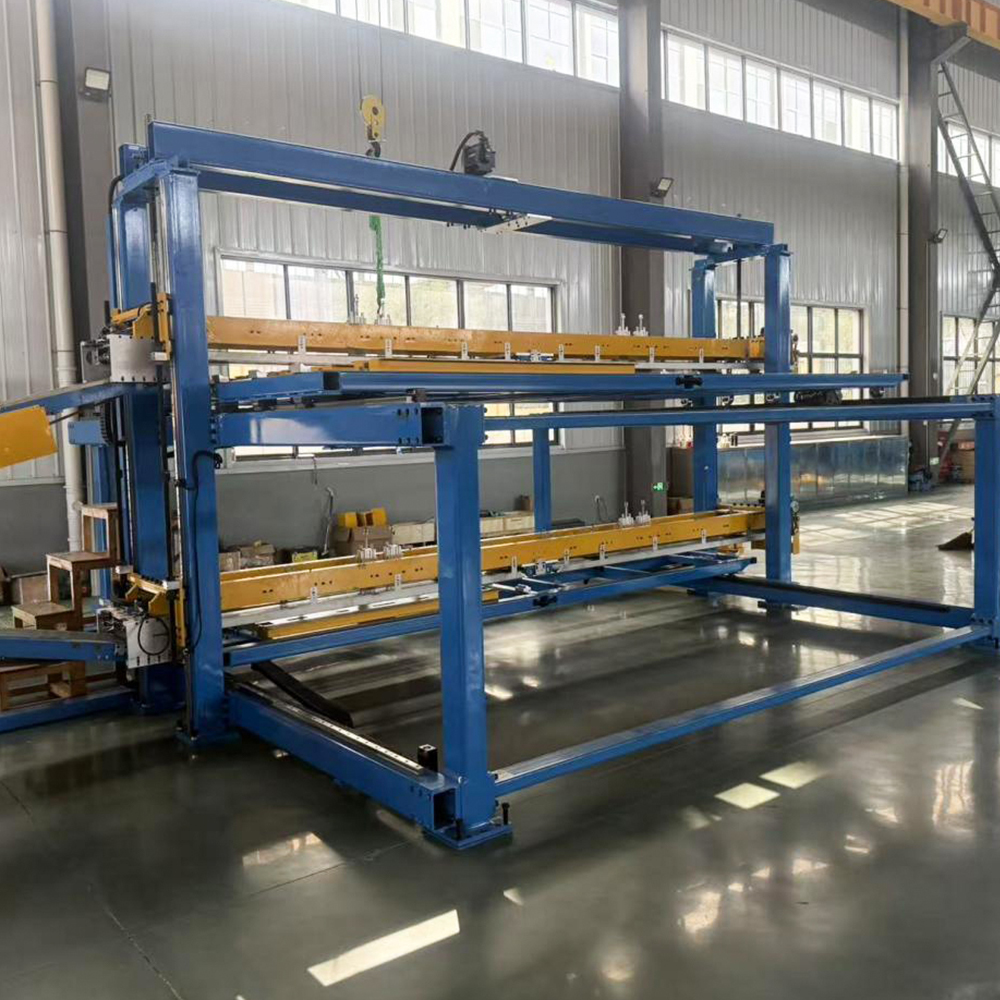
An innovative buffer board design uses multi-point photoelectric sensors to monitor sheet position in real time and automatically match feed speed to uncoil speed. No excavation of a buffer pit is needed, substantially reducing foundation construction costs while enabling automatic threading.

Touch Screen HMI — Intuitive and Easy Operation
A Siemens touch screen with a graphical interface allows operators to quickly input and modify production parameters, with precise control of output quantity by sheet count or by transformer unit. This reduces operator skill requirements and improves production management efficiency.

Multi-Step Process Compatibility — Wide Adaptability
Supports transverse and longitudinal 3-step, 5-step, and 7-step progressive stacking processes, flexibly adapting to different core structures and meeting the sheet processing requirements of various dry-type and oil-immersed transformer cores.

Applications Feedback

Product Applications

The HJ-DZ-440 is primarily used in the transformer manufacturing industry across the following scenarios:

Medium and Large Power Transformer Core Sheet Processing: Suitable for cutting large-format laminations with core limb lengths of 770–2400 mm and widths of 80–440 mm, meeting the production demands of high-capacity power transformers.
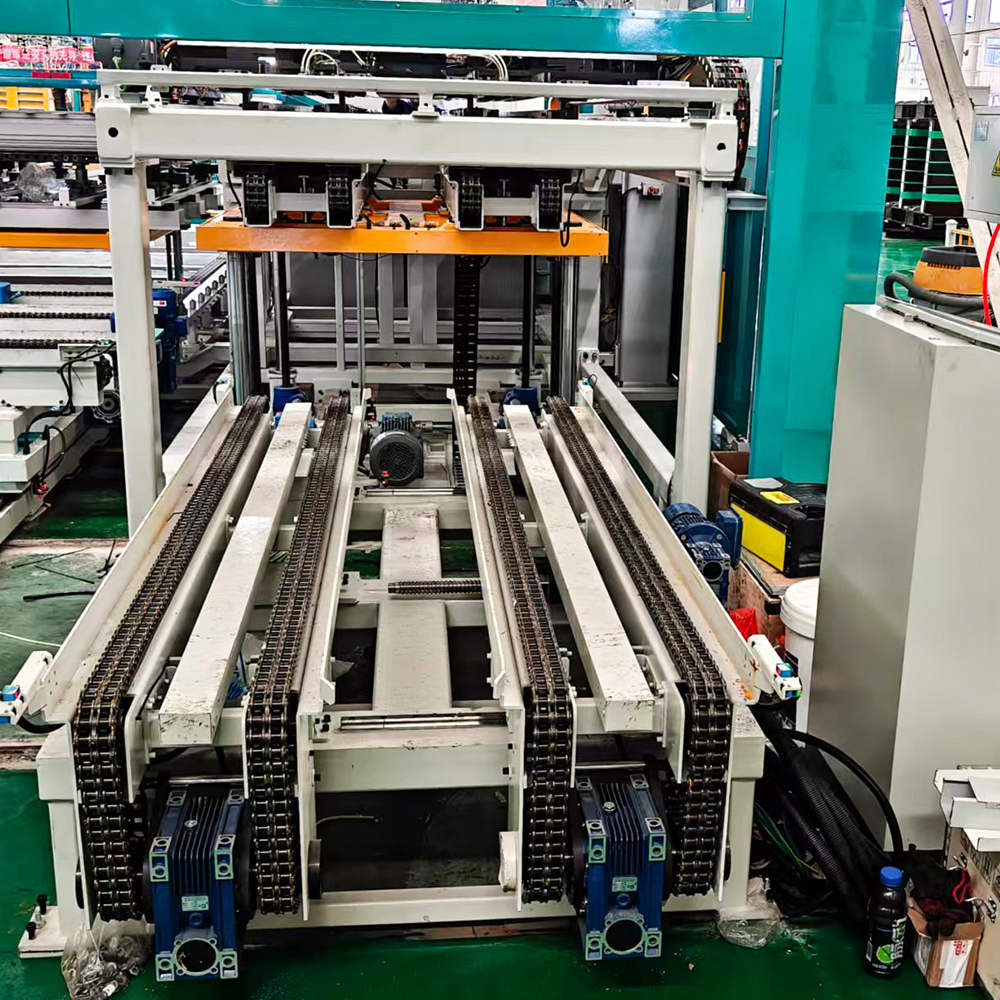
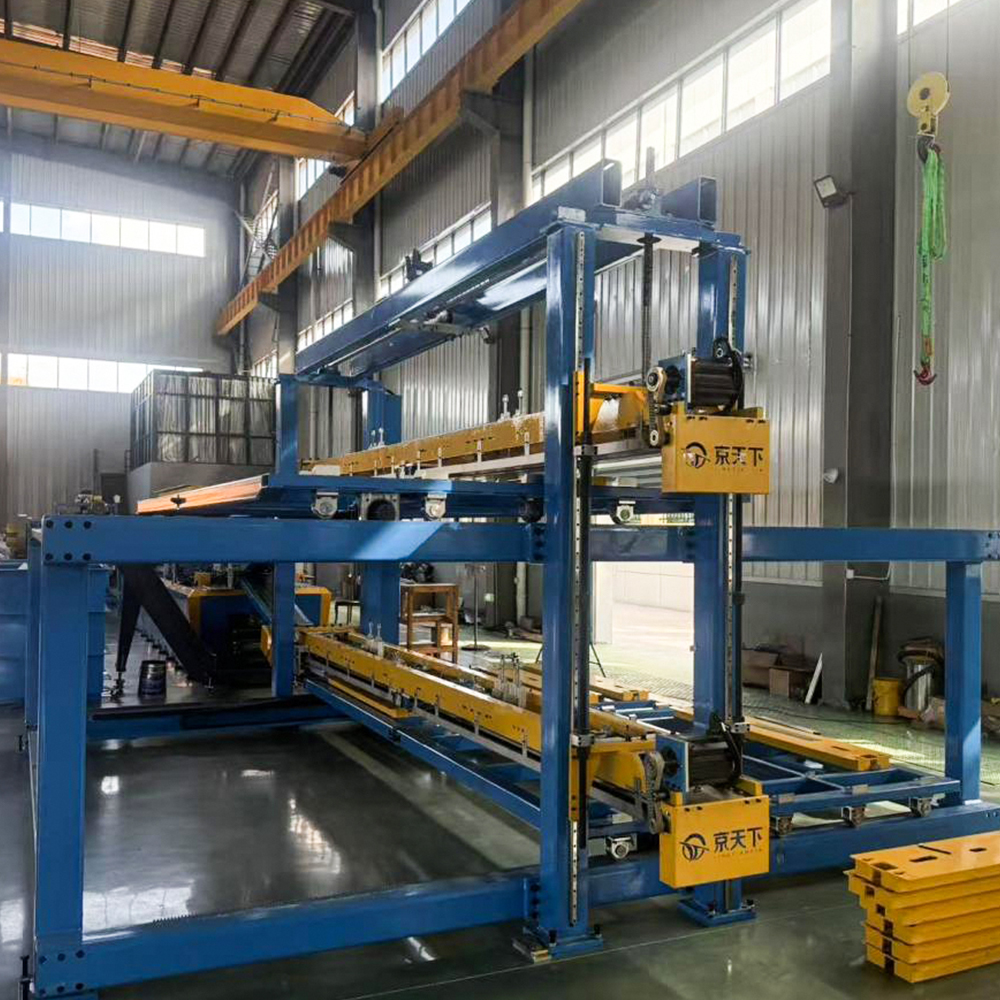
In-Line Stacking Line Integration: Directly connects to ZXD-series in-line core stacking equipment, enabling simultaneous shearing and stacking and eliminating intermediate hoisting and transfer steps, significantly boosting overall production efficiency.
Standalone Offline Shearing: Can also operate as an independent shearing machine; finished columns are transferred to the stacking process manually or via conveyor, maintaining compatibility with conventional production workflows.
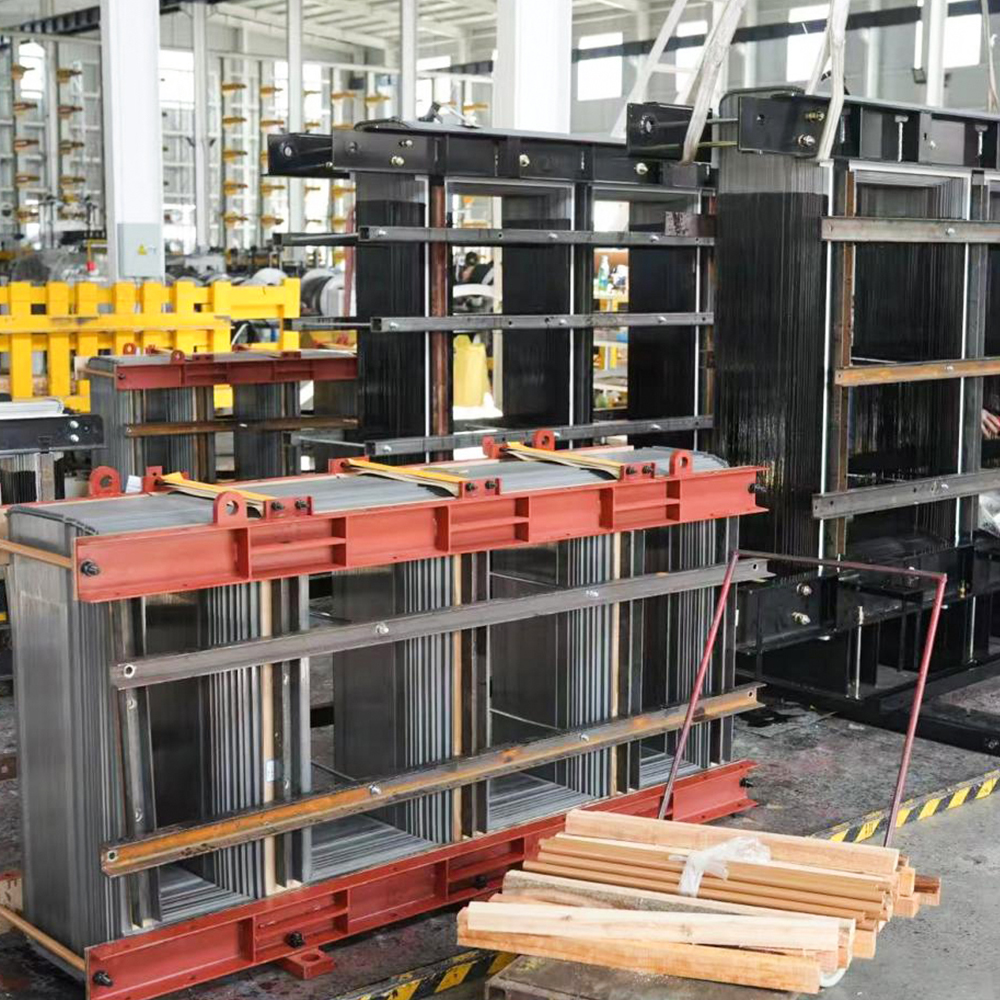
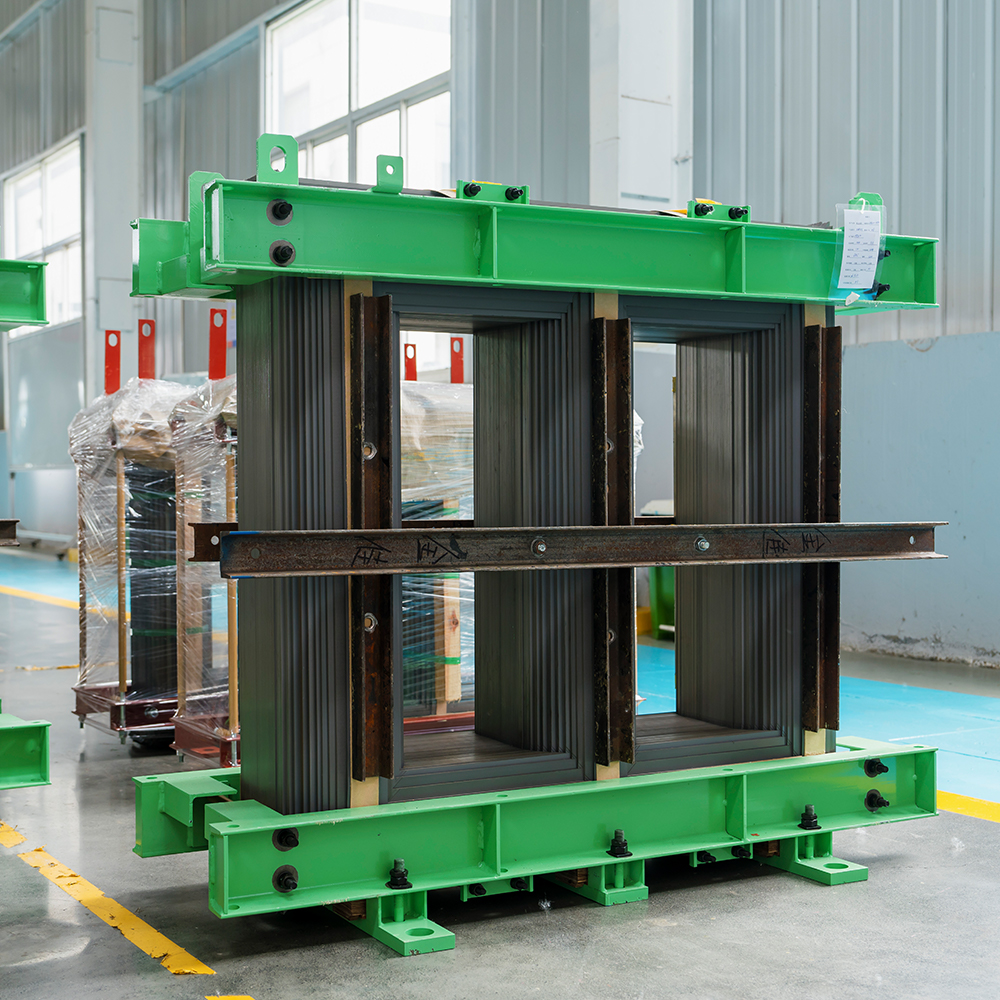
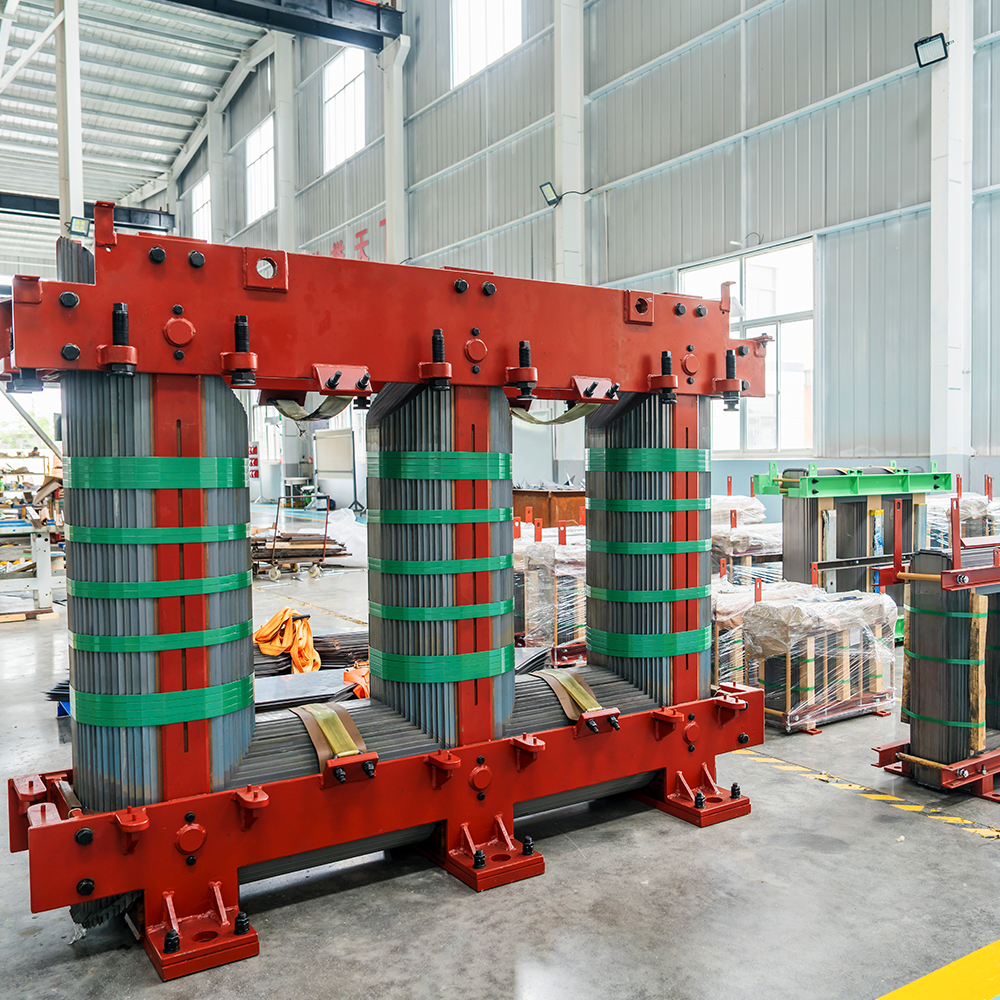
Multi-Variety Core Sheet Production: Supports sheet processing for 3-limb, 5-limb, and other core configurations, adaptable to dry-type, oil-immersed, energy storage, and other transformer types.
About Us
Jiangsu Jingtianxia Electric Technology Co., Ltd.
Jiangsu Jingtianxia Electric Technology Co., Ltd. is a leading and competitive enterprise in the domestic industry, specializing in the R&D, production, and supply of core power supporting products. Our main product portfolio covers transformer cores, intelligent transformer core stacking equipment, core transverse cutting machines, intelligent workshop warehousing systems, and automated logistics production lines. Staffed with more than 46 professional technical talents, the company boasts solid technical accumulation and a mature production system. We are China HJ-DZ-440 Silicon Steel Cut-to-Length Line Suppliers and HJ-DZ-440 Silicon Steel Cut-to-Length Line Exporter&Company, Focusing on the electric power industry, we continuously provide high-quality, high-precision, and intelligent one-stop supporting solutions for global customers.
Certificate of Honor
  • Patent Certificate
  • Patent Certificate
  • Patent Certificate
  • Patent Certificate
  • Patent Certificate
  • Patent Certificate
  • Patent Certificate
  • Business License
News
Message Feedback
HJ-DZ-440 Silicon Steel Cut-to-Length Line Industry knowledge

How does the HJ-DZ-440 Cut-To-Length Line differ from a Slitting Line for silicon steel processing?

In the field of transformer core manufacturing, selecting the appropriate processing equipment directly determines product quality, material utilization, and production efficiency. Although both silicon steel cut-to-length lines and slitting lines are used for silicon steel processing, their working principles, application scenarios, and final products are fundamentally different. This article takes the HJ-DZ-440 silicon steel cut-to-length line as an example to provide a detailed comparative analysis of these two processing methods, helping you make an informed decision based on actual production needs.

1. Definition and Core Positioning: Cutting vs. Slitting

A slitting line is primarily used to longitudinally shear wide silicon steel coils into multiple narrower coils. Its finished product remains in coil form, and the main purpose is to change the width of the material for subsequent stamping or cutting processes. In contrast, the HJ-DZ-440 silicon steel cut-to-length line is a precision shearing system that cuts coils into flat sheets of predetermined lengths. More importantly, it is specifically designed for transformer core lamination stacking, integrating feeding, hole punching, V-notching, 45°/135° shearing, and intelligent material management into a single automated unit.

According to the product definition from Jiangsu Jingtianxia Electric Technology Co., Ltd., the HJ-DZ-440 features a "2-Shear, 4-Punch" standard configuration (2 shearing units, 2 V-punch units, and 2 hole-punch units), supporting transverse and longitudinal 3-step, 5-step, and 7-step progressive cutting. This level of functional integration is something that a conventional silicon steel slitting line simply cannot achieve, as the latter performs only longitudinal slitting without any transverse cutting or punching capabilities.

2. Process Flow and Functional Differences

The process flow of a typical slitting line includes uncoiling, leveling, longitudinal slitting by circular knives, tension control, and recoiling. The entire process is continuous, and the final output is multiple narrow coils. The HJ-DZ-440 silicon steel cut-to-length line, however, follows a completely different processing logic. Its workflow is: uncoiling → leveling → hole punching → V-notching → 45°/135° shearing → sheet stacking. The equipment processes cold-rolled grain-oriented silicon steel coils into precisely shaped laminations that meet the exacting requirements of core stacking processes, achieving fully automated production from coil to finished sheets.

Key functional differences include:

  • Shearing method: Slitting lines use rotating circular knives for continuous longitudinal cutting, while the HJ-DZ-440 uses precision guillotine shearing for transverse cutting at fixed lengths.
  • Punching capability: Slitting lines have no punching function; the HJ-DZ-440 integrates both hole punching and V-notching units for transformer core assembly.
  • Angle cutting: The HJ-DZ-440 supports 45° and 135° miter cutting, which is essential for producing step-lap transformer cores—a feature absent in slitting lines.
  • Output form: Slitting lines output coils; the silicon steel cut-to-length line outputs stacked sheets ready for core assembly.

3. Application Scenarios and Typical Users

Slitting lines are widely used in general metal processing industries, including automotive parts, household appliance casings, and general stamping workshops. These users typically require only width reduction and recoiling for subsequent processing steps. In contrast, the HJ-DZ-440 silicon steel cut-to-length line is specifically tailored for the power transformer industry, particularly for manufacturing high-efficiency transformer cores.

Jiangsu Jingtianxia Electric Technology Co., Ltd. has equipped this line with a Siemens motion control system and a fully servo-driven architecture, enabling it to support both offline shearing and direct in-line stacking production modes. Typical applications include:

  1. Production of step-lap transformer cores for large power transformers.
  2. Manufacturing of motor laminations with precise hole and notch patterns.
  3. Processing of grain-oriented silicon steel (CRGO) with minimal core loss.
  4. High-volume production of stacked sheets with consistent flatness and edge quality.

4. Technical Specifications and Performance Comparison

To clearly illustrate the differences between the HJ-DZ-440 silicon steel cut-to-length line and a typical slitting line, the following table provides a side-by-side comparison of critical parameters:

Parameter Slitting Line HJ-DZ-440 Cut-To-Length Line
Max. processing width Typically up to 600mm 440 mm
Shearing method Longitudinal (rotary circular knives) Transverse (guillotine shears)
Hole punching Not available 2 hole-punch units (standard)
V-notching Not available 2 V-punch units (standard)
Angle cutting (45°/135°) Not supported Supported
Output form Narrow coils Stacked finished sheets
Control system Basic PLC Siemens motion control + fully servo-driven
Progressive cutting steps None 3-step, 5-step, 7-step

This comparison clearly shows that while a slitting line is a versatile tool for width reduction, the HJ-DZ-440 silicon steel cut-to-length line is a specialized, high-precision system designed to deliver finished laminations ready for core stacking without additional processing steps.

5. Material Utilization and Edge Quality

For transformer core manufacturers, material utilization directly impacts cost efficiency. Slitting lines typically generate significant edge trim waste because the total width of multiple narrow strips rarely matches the original coil width exactly. In contrast, the HJ-DZ-440 optimizes cutting patterns through its progressive cutting capability, minimizing waste by nesting different lengths and angles from a single coil.