 English
 Español
 عربى
عربى Türk
Türk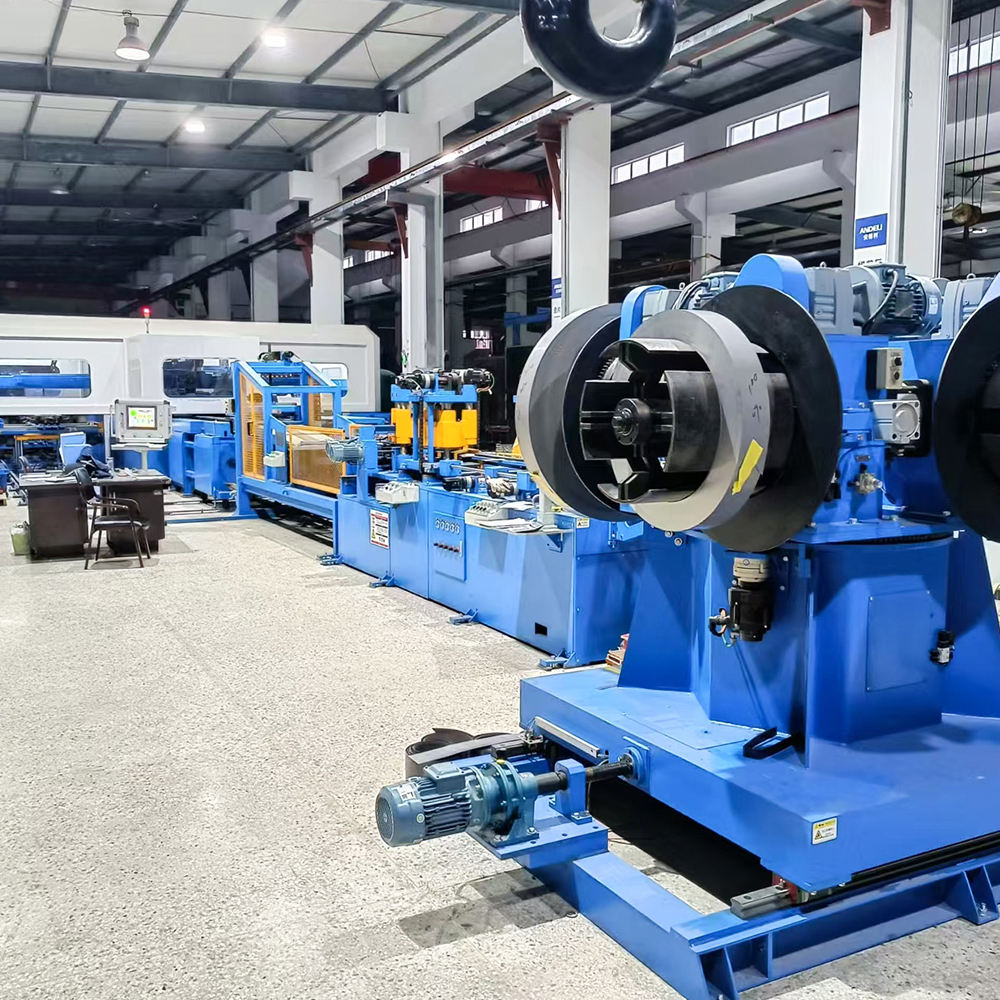
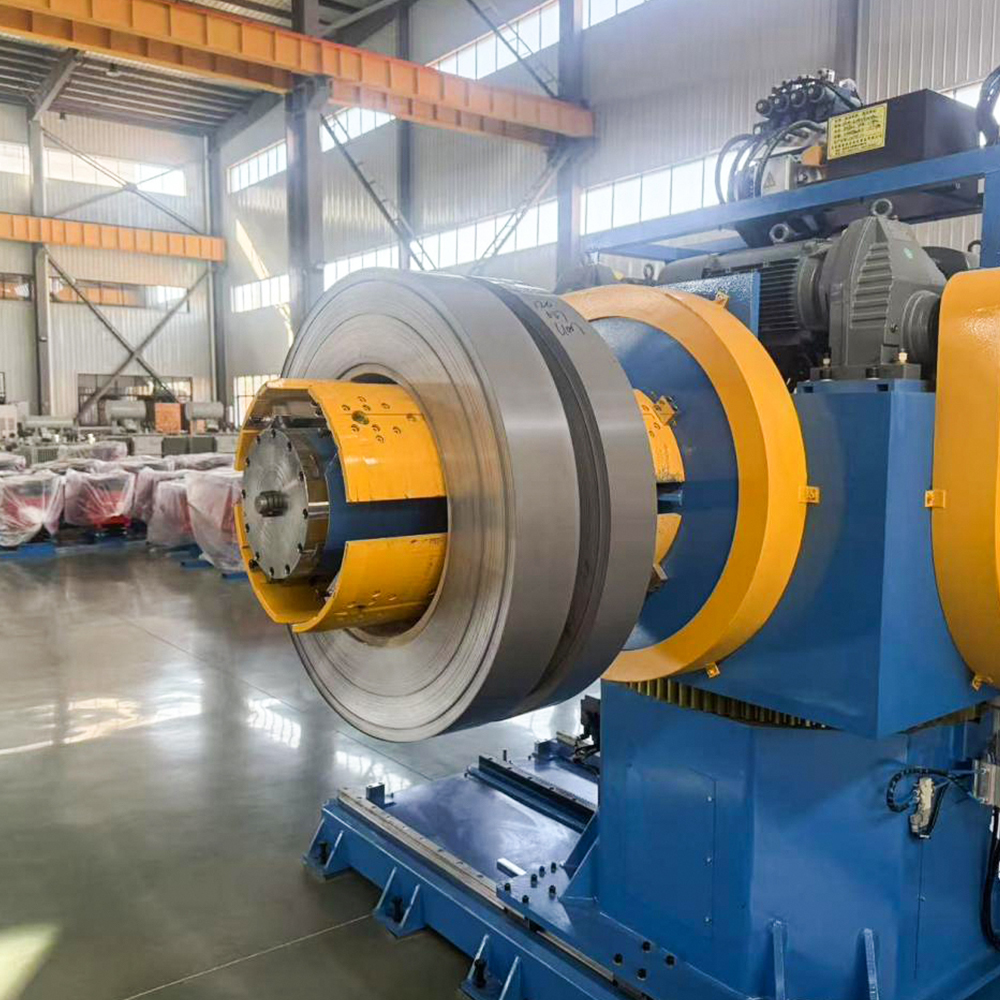
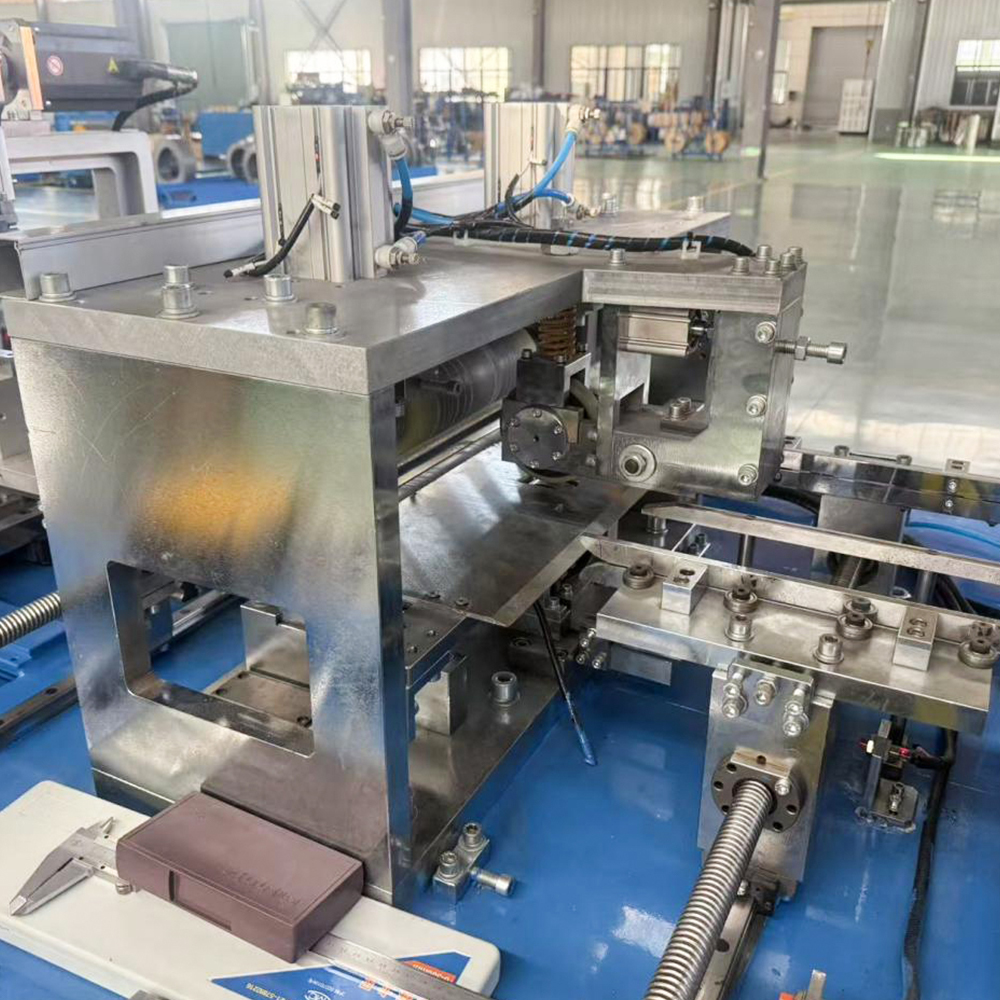
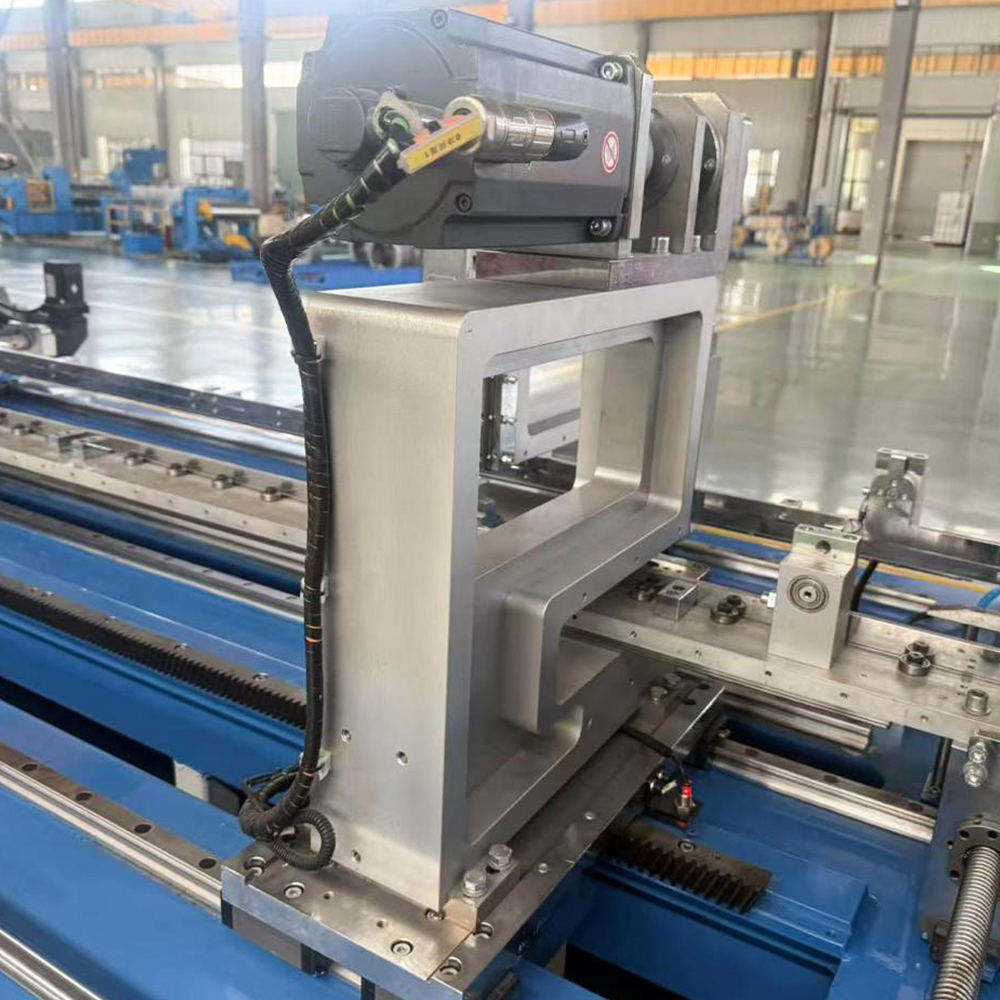
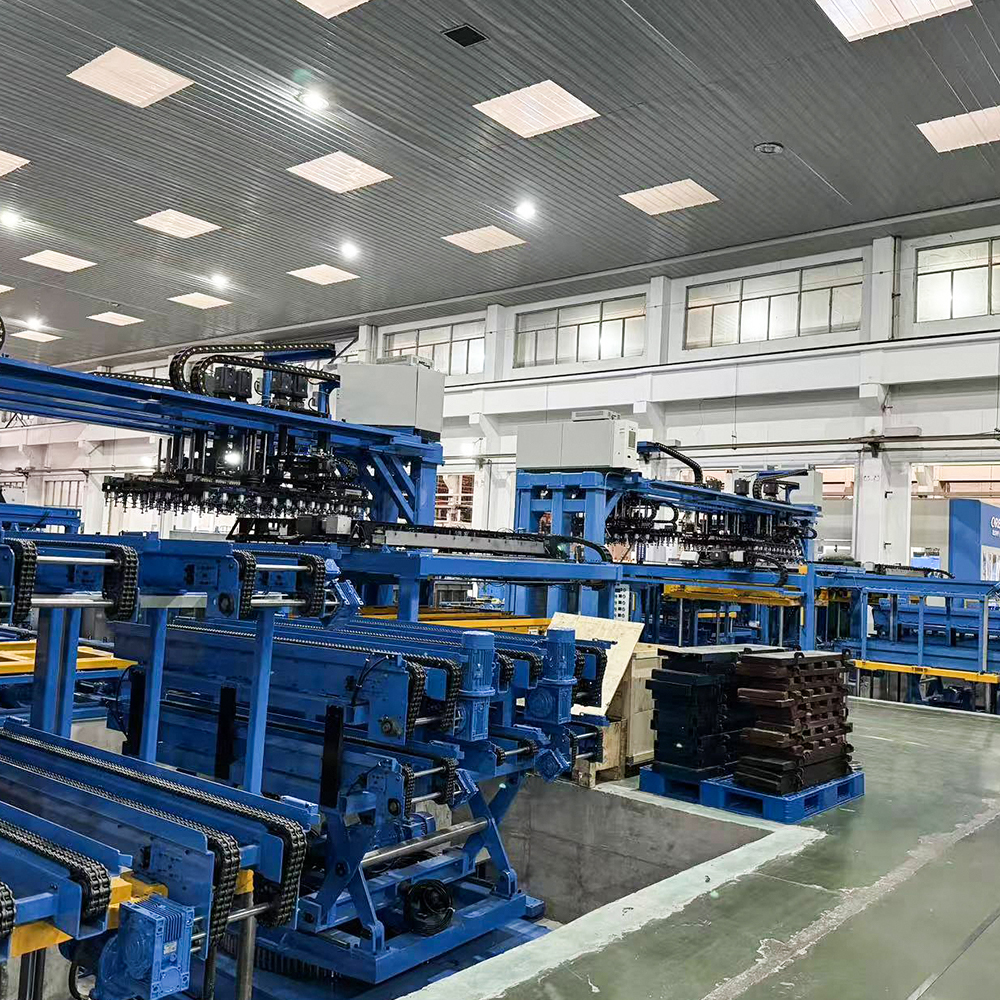
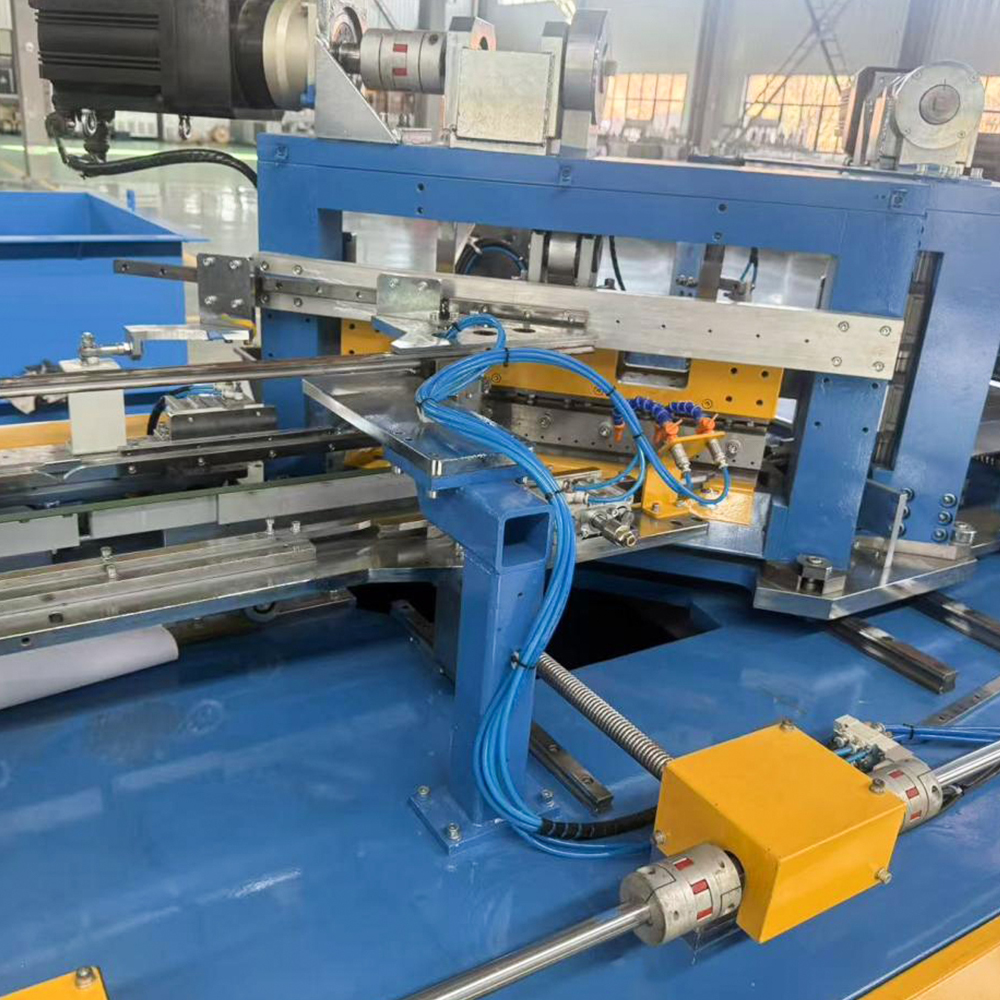
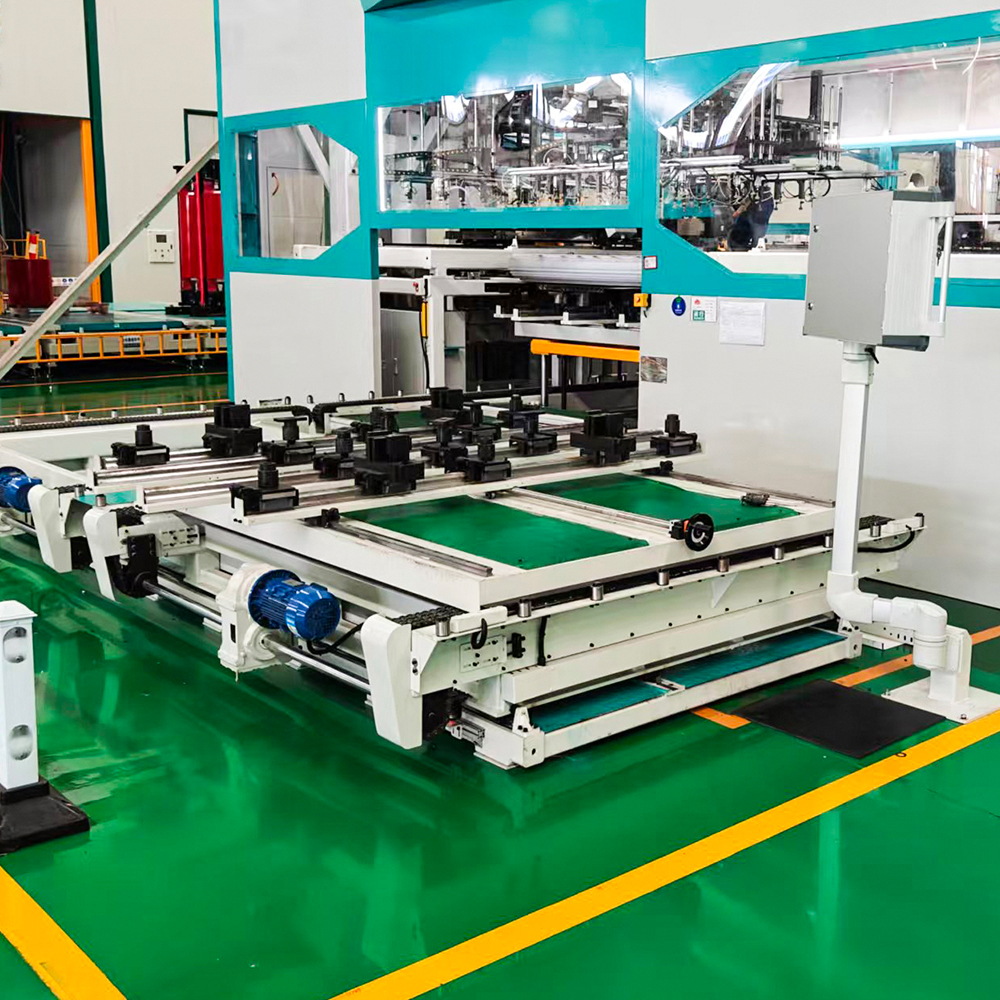
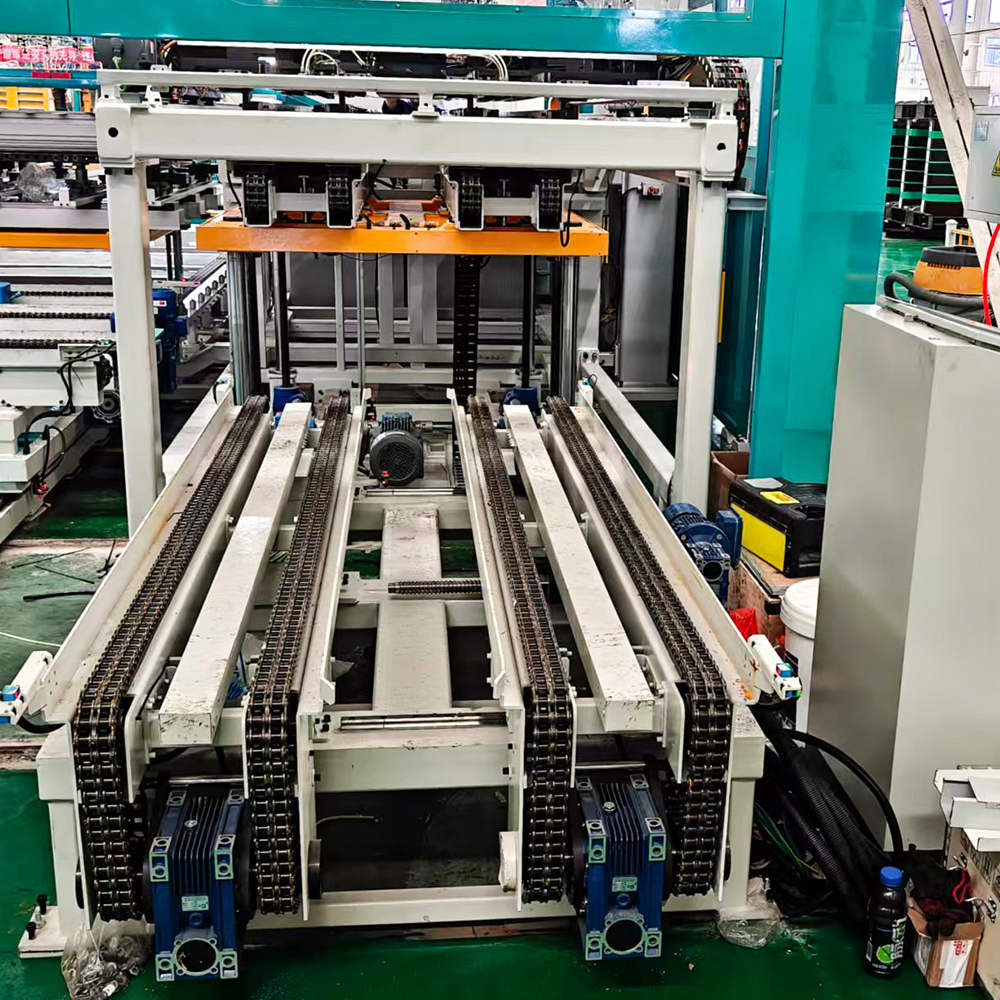
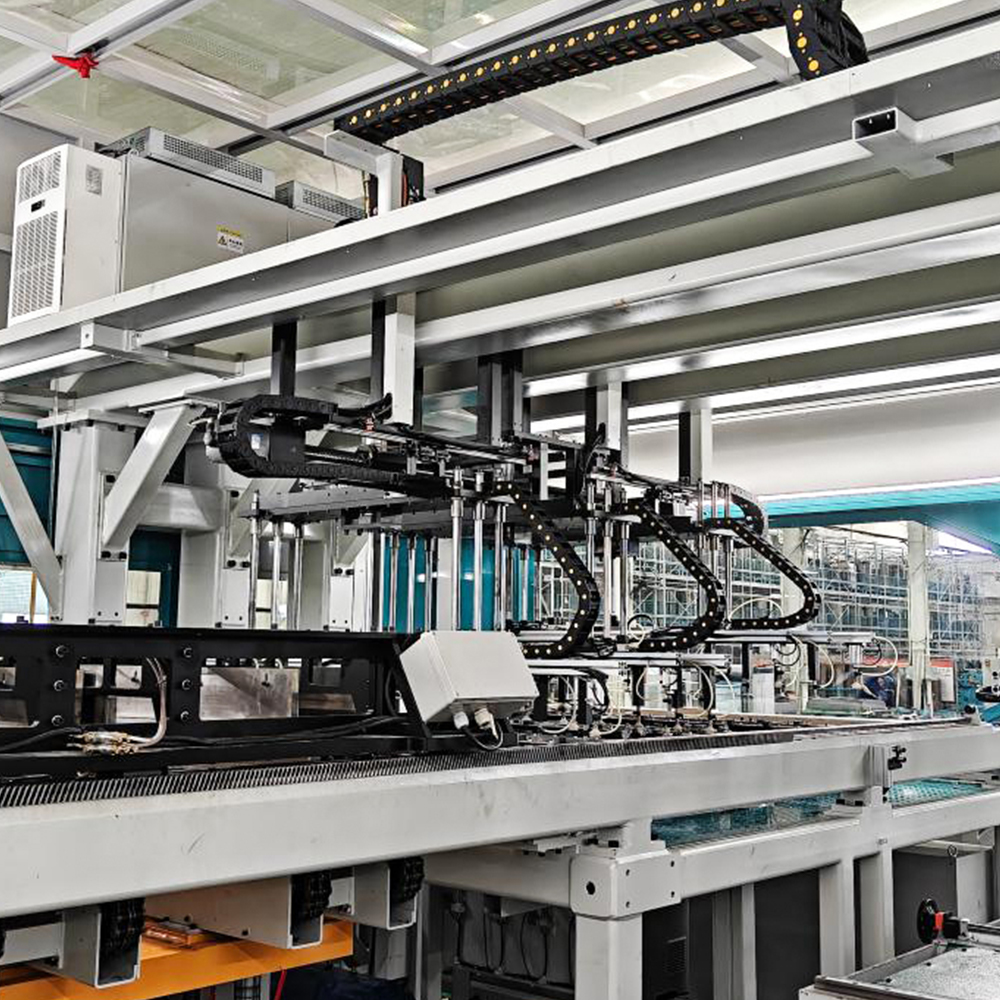
When a transformer manufacturer receives two quotations for the same oil-immer...
READ MORE


Product Advantages
Compact Design — Small Footprint
Optimized for small and medium-sized core processing needs, the machine has a notably smaller footprint than comparable large-format shearing lines, reducing floor space requirements and enabling flexible plant layout for small and medium-sized manufacturers.
Fully Servo-Driven — Precision and Efficiency Combined
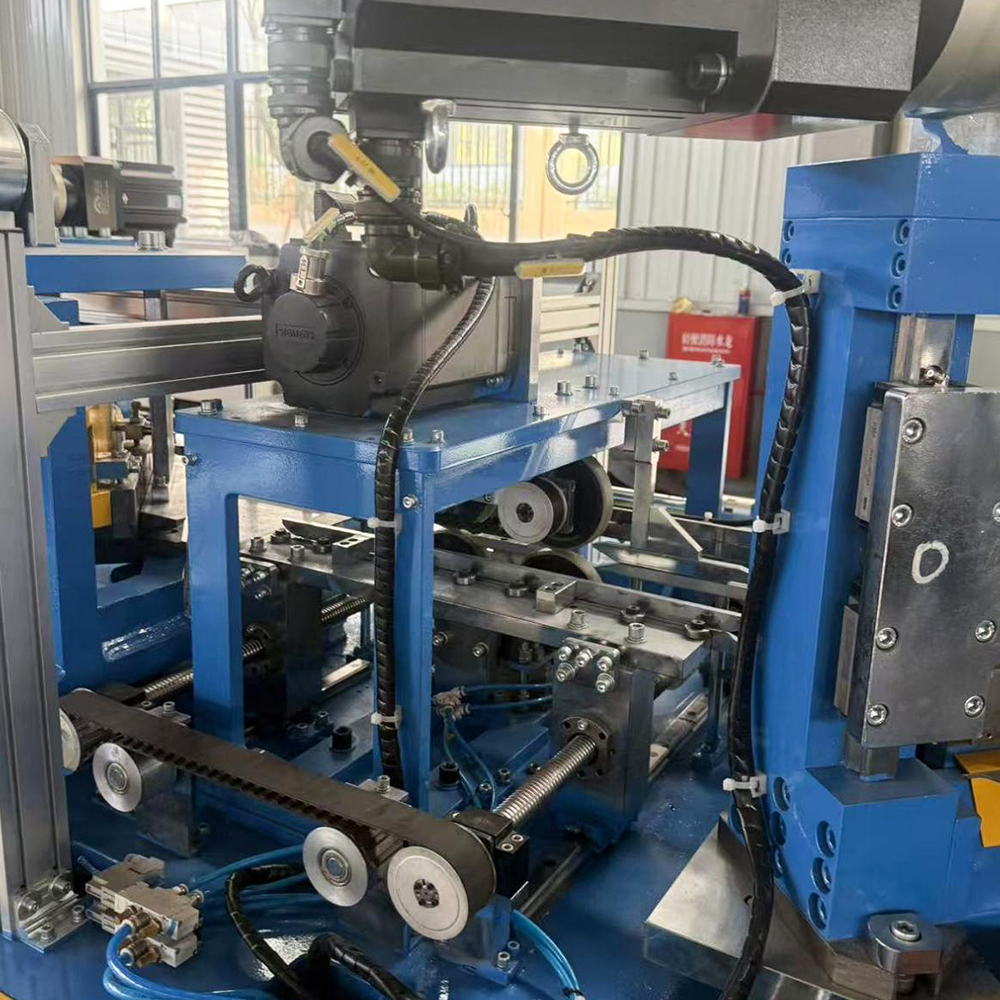
The feed mechanism uses a servo motor external-encoder fully closed-loop dual length-measurement system; shearing and punching stations are likewise servo-driven, ensuring high cutting precision alongside a high production cycle rate to meet the batch production requirements of small and medium-sized cores.
High Cutting Accuracy — Excellent Consistency
Cutting length accuracy of ±0.2 mm at constant speed, angular accuracy of ±0.1°, and center limb flip-over angle coincidence deviation of ≤0.1 mm ensure outstanding sheet dimensional consistency, providing high-quality material input for the subsequent stacking process.
Cemented Carbide Tooling — Wear-Resistant and Durable
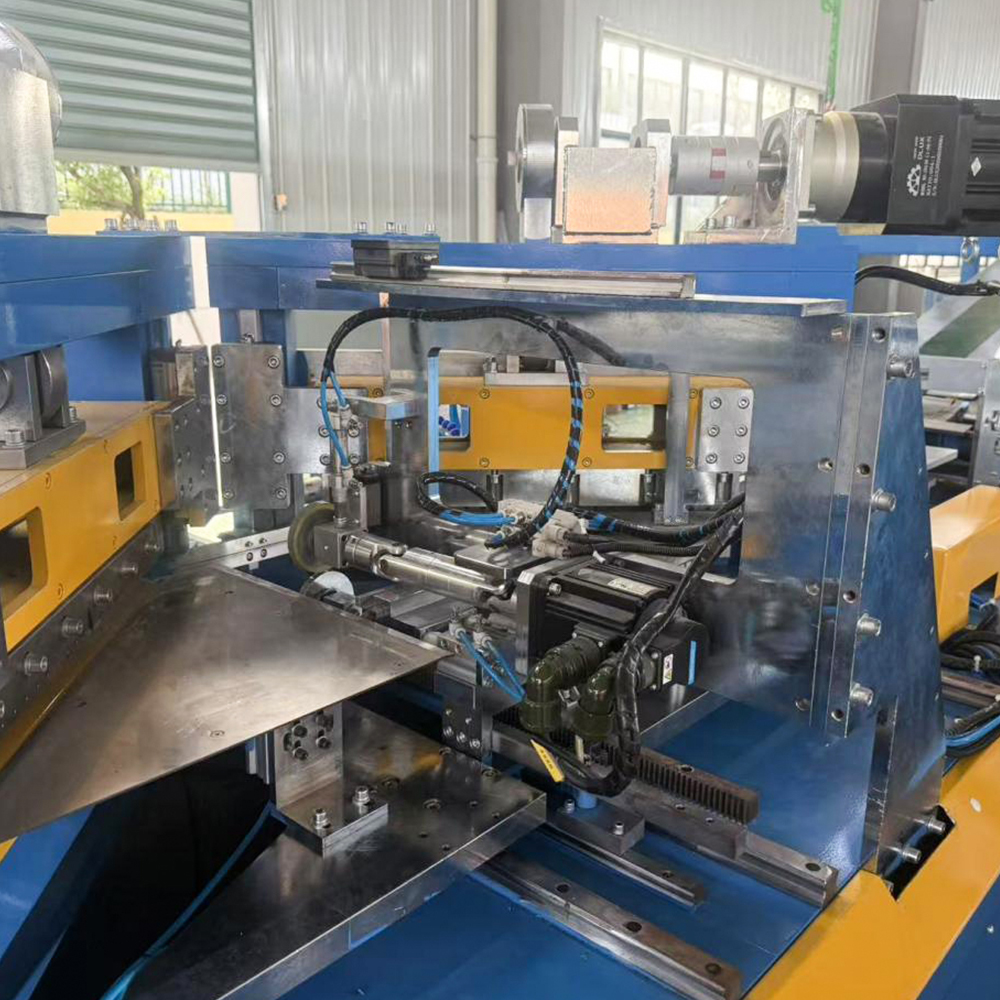
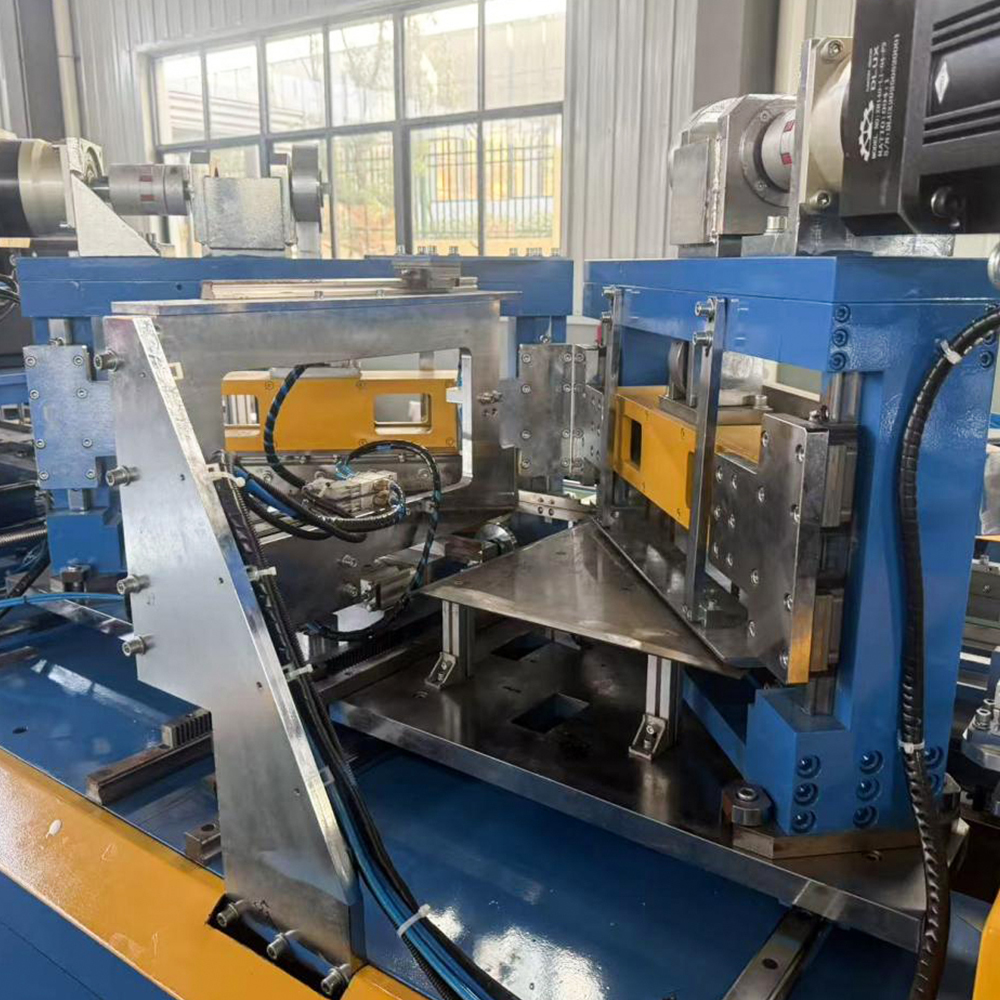
Shear blades, V-punch dies, and hole-punch dies are manufactured from cemented carbide (tungsten carbide), delivering a service life of 200,000–300,000 strokes per sharpening, reducing tooling maintenance costs and downtime during production.
No Buffer Pit Design — Low Installation Cost
A buffer board solution replaces the traditional buffer pit; photoelectric sensors automatically synchronize feed and uncoil speeds, simplifying foundation work and effectively lowering upfront equipment investment costs.
Simple Operation — Fast to Learn
A touch-screen HMI with intuitive parameter settings allows operators to become proficient after brief training, suitable for production teams at all skill levels, helping enterprises reduce labor costs.
Applications
Feedback
Product Applications
The HJ-DZ-300 is primarily targeted at small and medium-sized transformer manufacturers, with the following specific application scenarios:
Small and Medium Distribution Transformer Core Sheet Processing: Suitable for cutting laminations with core widths of 50–300 mm, meeting the core production requirements of 10 kV-class distribution transformers and small to medium-capacity power transformers.
Dry-Type Transformer Core Production: Addresses the multi-variety, multi-specification production needs of small and medium-sized dry-type transformer cores; the equipment switches between product types quickly and flexibly.
In-Line Stacking Line Integration: Can be paired with LXD-series offline stacking equipment or small in-line stacking lines for automated continuous production of small and medium-sized cores.
Multi-Variety Small-Batch Custom Processing: Well-suited for accepting multi-model, small-batch transformer core sheet processing orders; flexible adjustment and strong adaptability accommodate diversified customer requirements.
About Us
Jiangsu Jingtianxia Electric Technology Co., Ltd.
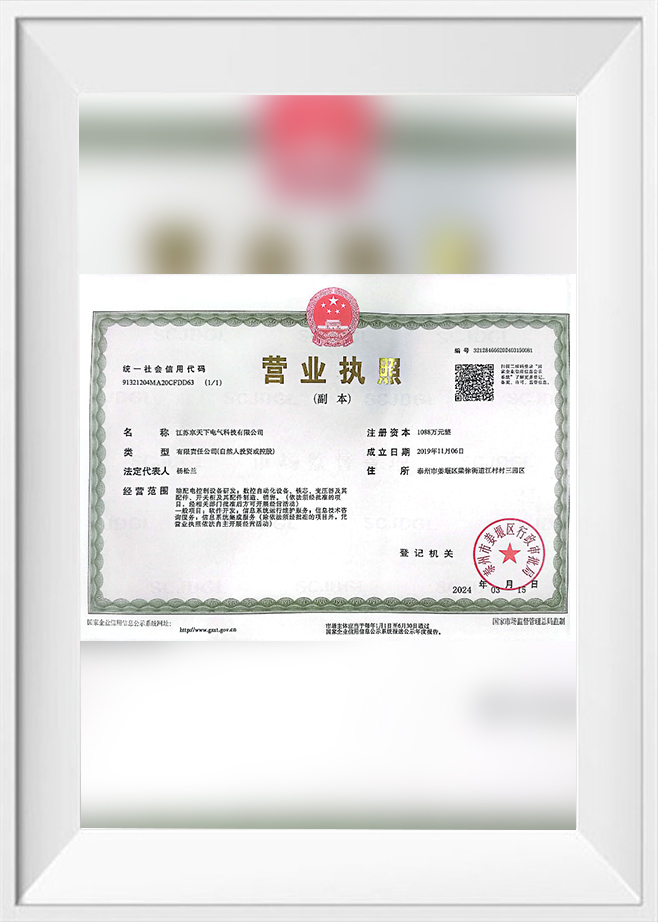
Jiangsu Jingtianxia Electric Technology Co., Ltd. is a leading and competitive enterprise in the domestic industry, specializing in the R&D, production, and supply of core power supporting products. Our main product portfolio covers transformer cores, intelligent transformer core stacking equipment, core transverse cutting machines, intelligent workshop warehousing systems, and automated logistics production lines. Staffed with more than 46 professional technical talents, the company boasts solid technical accumulation and a mature production system. We are China HJ-DZ-300 Silicon Steel Shearing Line Suppliers and HJ-DZ-300 Silicon Steel Shearing Line Exporter&Company, Focusing on the electric power industry, we continuously provide high-quality, high-precision, and intelligent one-stop supporting solutions for global customers.
Certificate of Honor
News
-
-
At equipment review meetings, the question "which of the following is true reg...
READ MORE -
Transformer core manufacturing represents one of the most critical processes in...
READ MORE -
At the heart of every electrical transformer lies a component that is both simp...
READ MORE -
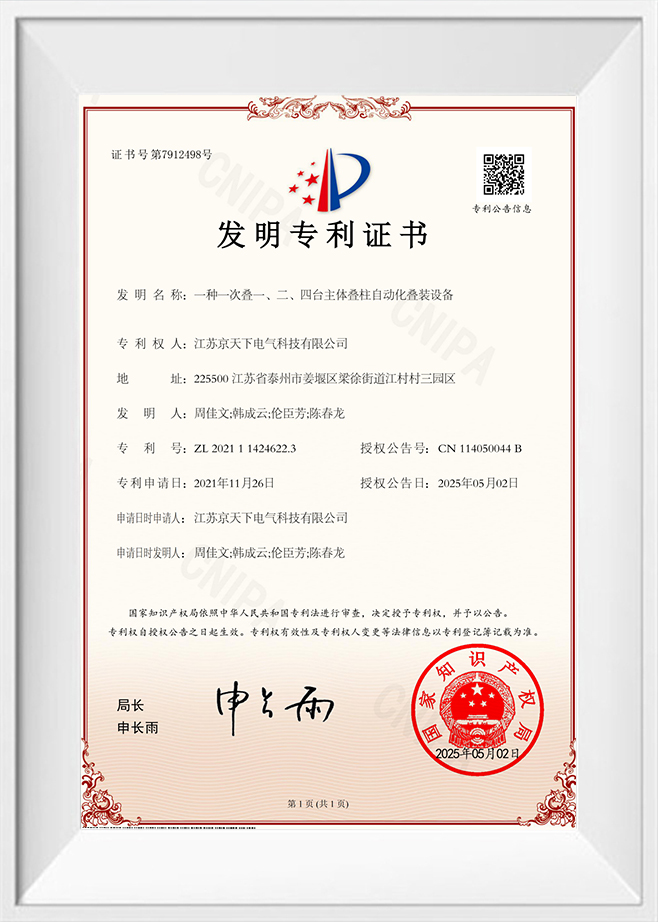
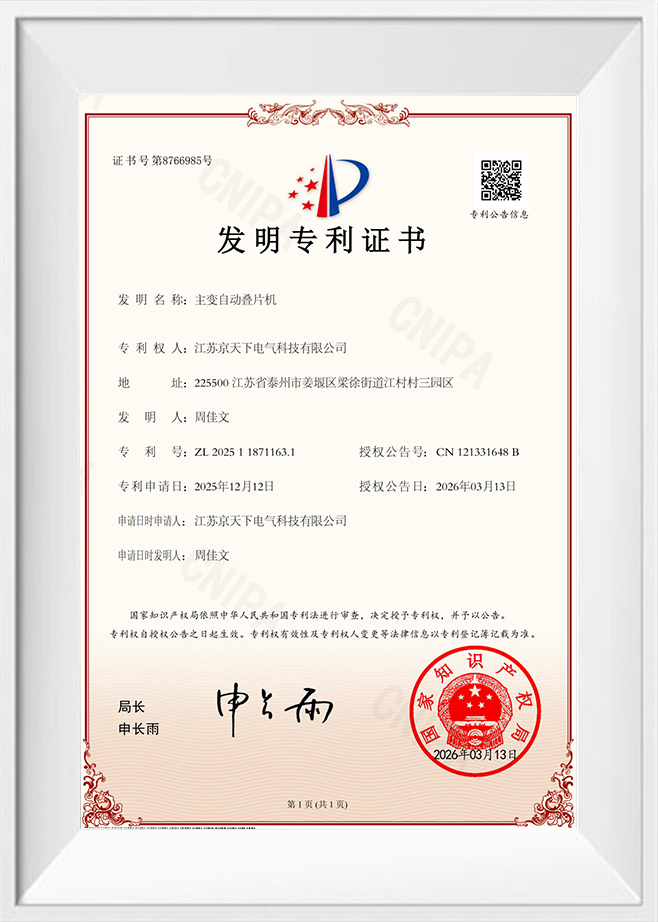
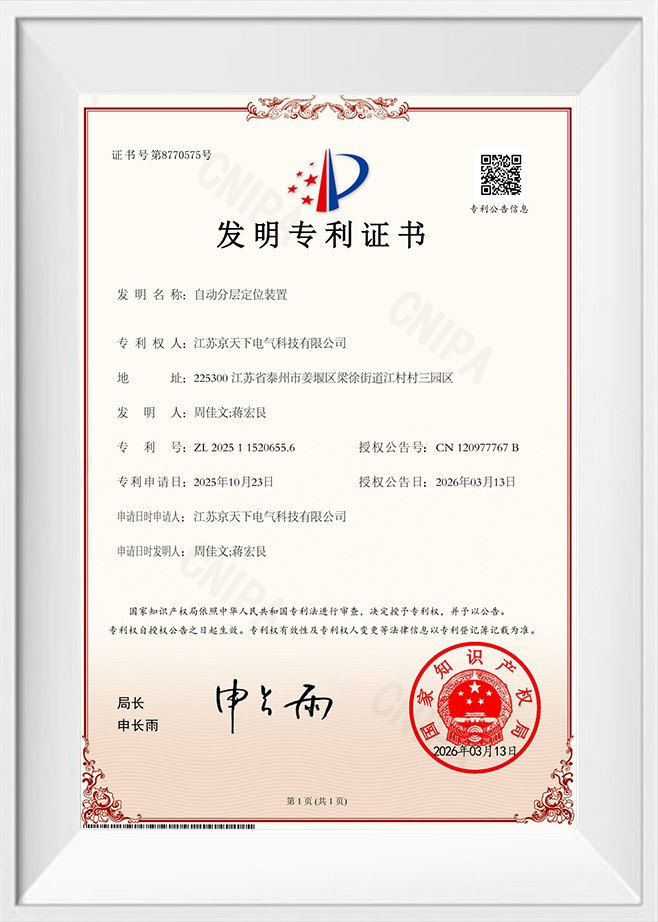
Independent intellectual property rights and continuous technological innovation...
READ MORE -
Faced with growing production and operational pressure, automated warehousing sy...
READ MORE
Message Feedback
HJ-DZ-300 Silicon Steel Shearing Line Industry knowledge
Why is controlling the blade clearance and overlap important for the shearing quality of the HJ-DZ-300?
In the precision manufacturing of transformer core laminations, the shearing process directly determines the magnetic performance, stacking factor, and dimensional accuracy of the finished core. Among all adjustable parameters on a silicon steel shearing line, blade clearance and blade overlap are the two most critical variables that separate high-quality output from rejected material. For the HJ-DZ-300 silicon steel shearing line, mastering these adjustments is not merely a maintenance routine—it is the cornerstone of achieving consistent, burr-free, and dimensionally stable laminations. This article examines why these parameters demand rigorous control, how they interact with the machine's servo-driven architecture, and what practical benefits manufacturers gain from precise calibration.
1. The Physical Basis of Shearing: Why Clearance and Overlap Matter
Shearing is a fracture-based process, not a cutting action. When the upper blade descends against the lower blade, it indents the silicon steel sheet, initiating cracks that propagate from both sides until they meet. Blade clearance—the horizontal gap between the upper and lower blades—determines where these crack lines intersect. If the clearance is too large, the cracks miss each other, producing a rough, torn edge with pronounced burrs and a wide fracture zone. If the clearance is too small, the blades exert excessive stress, accelerating wear and generating heat that can alter the magnetic properties of grain-oriented silicon steel.
Blade overlap, conversely, is the vertical penetration depth of the upper blade past the lower blade's cutting edge. This parameter controls the amount of material subjected to simultaneous compression and tension. Insufficient overlap results in incomplete separation, leaving tabs or hanging slivers that damage subsequent stacking operations. Excessive overlap increases friction and blade deflection, causing edge waves and micro-cracks that degrade the lamination's stacking factor. On the HJ-DZ-300 silicon steel shearing line, both parameters must be set within tight tolerances—typically clearance at 5–8% of material thickness and overlap at 0.3–0.5 mm for 0.23–0.35 mm silicon steel—to achieve the burr height below 0.03 mm required by transformer core standards.
Jiangsu Jingtianxia Electric Technology Co., Ltd. has integrated this physical understanding into the HJ-DZ-300 silicon steel shearing line by equipping it with a digital blade gap adjustment system. Unlike manual shim-based setups, this system uses servo-driven wedges that allow operators to store and recall clearance/overlap values for different material grades. This feature directly addresses the variability introduced by coil batch differences, ensuring that the silicon steel shearing equipment maintains repeatable precision across production runs.
2. Classification of Shearing Quality Factors on the HJ-DZ-300
To systematically understand why blade control is vital, we can divide the shearing quality attributes into three interconnected categories: edge geometry, dimensional stability, and material integrity. Each category responds differently to clearance and overlap adjustments, and each directly affects the final transformer core performance.
2.1 Edge Geometry: Burr Height and Rollover
Edge geometry is the most visible indicator of shearing quality. Burrs—the raised, sharp projections along the cut edge—are primarily controlled by blade clearance. On the HJ-DZ-300 silicon steel shearing line, the Siemens motion control system monitors blade position in real time, compensating for thermal expansion during continuous operation. When clearance is optimized for a specific material thickness (e.g., 0.27 mm), the fracture planes align perfectly, producing a clean break with minimal rollover (the rounded depression on the top edge). Excessive clearance increases rollover depth, which reduces the effective magnetic cross-section area and increases eddy current losses in the assembled core.
Jiangsu Jingtianxia Electric Technology Co., Ltd. provides a dedicated calibration procedure for the HJ-DZ-300 shearing system, using test strips from each new coil to verify edge quality before full production. This procedure, documented in the machine's HMI, guides operators through a stepwise clearance adjustment based on measured burr height, ensuring that edge geometry remains within ISO 9013:2017 tolerances even when processing high-permeability grades like 23ZH85.
2.2 Dimensional Stability: Length Accuracy and Squareness
While many assume that length accuracy depends solely on the feed roller servo, blade overlap indirectly influences dimensional stability. When overlap is set too high, the upper blade deflects slightly during penetration, creating a tapered cut that deviates from the programmed shear line. This effect is amplified on narrower strips (below 50 mm width), where blade deflection becomes a significant percentage of the strip width. The HJ-DZ-300 silicon steel shearing line mitigates this through its rigid C-frame design and pre-loaded linear guides, but overlap must still be calibrated to match the material's yield strength. For example, highly grain-oriented steels with higher hardness require slightly reduced overlap to prevent blade deflection, whereas lower-grade non-oriented steels can tolerate deeper penetration.
Furthermore, the machine's fully servo-driven architecture integrates shearing with punching operations (hole punching and V-punching) in a single pass. Any dimensional error introduced by improper overlap propagates to the punched features, misaligning stacking holes and affecting core assembly. The digital overlap control on the HJ-DZ-300 shearing line allows operators to set overlap values with 0.01 mm resolution, which is critical for maintaining the ±0.05 mm length tolerance required for high-efficiency distribution transformer cores.
2.3 Material Integrity: Stress, Coating, and Magnetic Properties
Silicon steel is coated with an insulating layer (usually C-5 or C-6 coating) to minimize interlaminar eddy current losses. Excessive blade clearance or overlap induces additional shear stress that can delaminate or micro-crack this coating along the cut edge. Even if burrs are removed in a subsequent deburring step, the underlying material stress remains. The HJ-DZ-300 silicon steel shearing line reduces this risk by employing a low-noise, low-impact shear sequence that uses controlled acceleration profiles for the ram. This sequence, combined with optimized overlap, ensures that the plastic deformation zone extends no more than 0.5 mm from the cut edge, preserving the grain orientation and coating adhesion in the core's active region.
Jiangsu Jingtianxia Electric Technology Co., Ltd. has validated this approach through extensive testing on 0.30 mm M4-grade steel, demonstrating that proper blade settings reduce core loss degradation by up to 8% compared to poorly adjusted lines. This performance advantage is particularly valuable for manufacturers producing cores for premium-efficiency transformers, where every watt of loss reduction translates to tangible energy savings over the product lifecycle.
| Quality Attribute | Controlled by | Impact of Incorrect Setting | HJ-DZ-300 Solution |
| Burr Height | Clearance (primary) | Increased eddy currents; stacking gaps | Digital servo-wedge adjustment + real-time monitoring |
| Rollover Depth | Clearance + Overlap | Reduced magnetic cross-section | Preset material profiles stored in HMI |
| Length Tolerance | Overlap (indirectly via deflection) | Core stacking misalignment | Rigid C-frame + pre-loaded linear guides |
| Coating Integrity | Both (stress distribution) | Insulation breakdown; higher core losses | Low-impact shear sequence + optimized overlap |
The table above summarizes how each quality factor relates to blade parameters and the corresponding engineering measures implemented on the HJ-DZ-300 silicon steel shearing line. This systematic approach allows operators to prioritize adjustments based on the most critical defect mode for a given order.
3. Practical Control Strategy and Operational Benefits
Implementing effective blade clearance and overlap control on the HJ-DZ-300 silicon steel shearing line follows a structured workflow that combines pre-setup validation, in-process monitoring, and adaptive compensation. Below is the recommended stepwise procedure, which Jiangsu Jingtianxia Electric Technology Co., Ltd. trains all customers to perform during machine commissioning and weekly maintenance.
- Material qualification – Measure the actual thickness and hardness of each new coil batch using the built-in thickness gauge; enter these values into the control panel to automatically recalculate the recommended clearance (5–8% of thickness) and overlap base value.
- Test cut validation – Run 10–15 test strips at the calculated settings; measure burr height with a digital micrometer and check rollover depth using an optical comparator. Adjust clearance in 0.005 mm increments until burr height stabilizes below 0.03 mm.
- Dynamic overlap tuning – Increase overlap gradually from the base value until the cut edge shows a uniform shear zone (approximately 1/3 of material thickness). If edge waves appear, reduce overlap by 0.02 mm and verify length accuracy on a coordinate measuring machine.
- Store the optimized recipe – Save the final clearance and overlap values in the machine's recipe database under the specific material grade and thickness. This enables instant recall for future runs, eliminating trial-and-error delays.
- Periodic re-verification – Every 8 production hours or after 5000 shear cycles, run a quick test strip to detect blade wear; use the automatic wear compensation feature that adjusts clearance progressively to maintain consistent edge quality.
Manufacturers who adopt this control strategy report several quantifiable benefits. First, scrap rates due to edge defects drop from typical 3–5% to under 0.8%, directly improving material yield—a critical factor given the high cost of grain-oriented silicon steel. Second, blade life extends by approximately 40% because optimal overlap reduces impact loads and uneven wear. Third, core stacking factor improves by 0.5–1.0 percentage points, which translates to either smaller core volumes for the same VA rating or higher efficiency for the same footprint. These advantages are consistently achieved on the HJ-DZ-300 shearing platform, making it a preferred choice for manufacturers who cannot afford downtime for blade re-sharpening.
Jiangsu Jingtianxia Electric Technology Co., Ltd. supports these operational benefits with a comprehensive after-sales package that includes remote diagnostic access to the Siemens controller, enabling expert technicians to fine-tune blade parameters even during off-shift hours. This level of support, combined with the machine's intrinsic mechanical rigidity, ensures that the HJ-DZ-300 silicon steel shearing line delivers consistent performance across diverse production scenarios—from small-batch prototype cores to high-volume runs of standard E-I laminations.


