
When a transformer manufacturer receives two quotations for the same oil-immersed distribution core, one using 0.23 mm grain-oriented silicon steel and one using a 0.18 mm amorphous ribbon, the no-l...
READ MORE
When a transformer manufacturer receives two quotations for the same oil-immersed distribution core, one using 0.23 mm grain-oriented silicon steel and one using a 0.18 mm amorphous ribbon, the no-l...
READ MOREAt equipment review meetings, the question "which of the following is true regarding transformer cores" tends to spark debate. Some engineers argue air-core transformers suit low frequencies, while ...
READ MORETransformer core manufacturing represents one of the most critical processes in electrical equipment production. The performance, efficiency, and reliability of a transformer depend fundamentally on ...
READ MOREAt the heart of every electrical transformer lies a component that is both simple in concept and critical in performance: the transformer cores. This magnetic circuit serves as the pathway for flux, ...
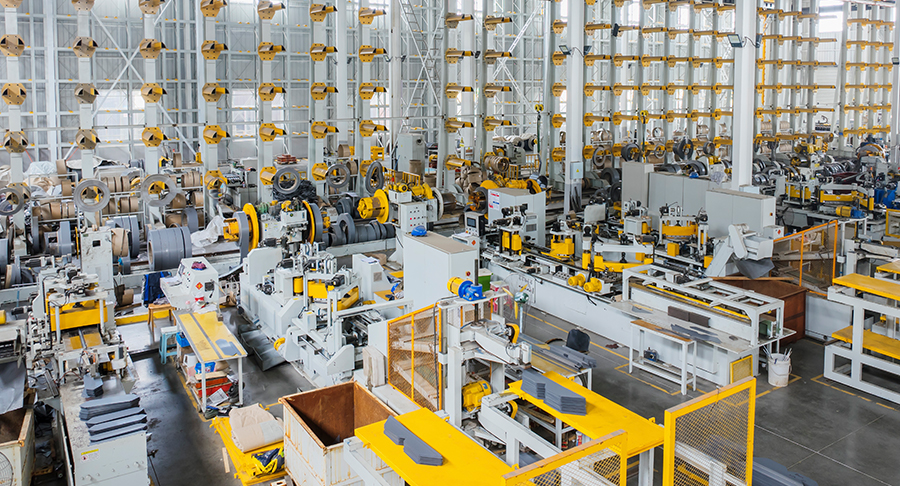
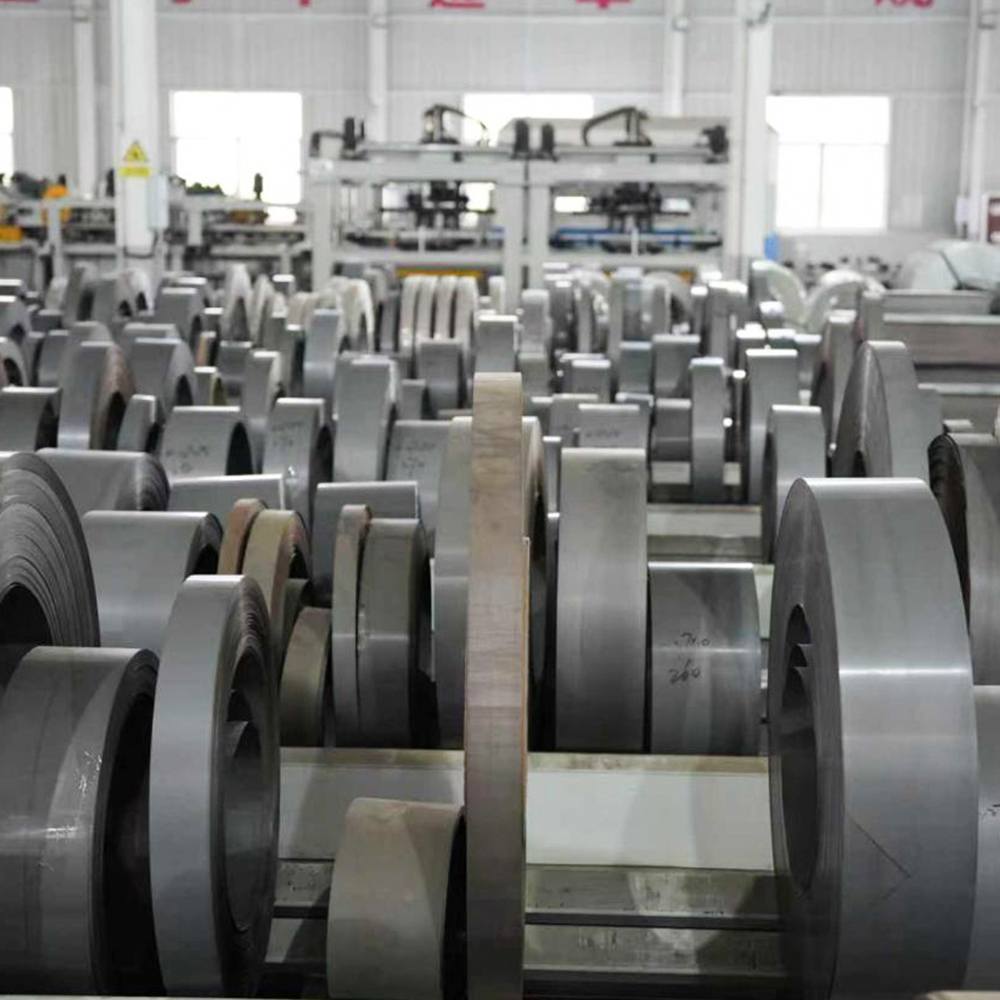
READ MOREIn the modern transformer manufacturing ecosystem, precision and efficiency are not merely operational goals but fundamental requirements for product reliability and cost control. At the heart of this precision-driven environment lies the core transverse cutting machines, a category of specialized equipment designed to process silicon steel sheets into exact dimensions required for transformer core lamination. Unlike general-purpose shearing or slitting lines, these machines are engineered to handle the unique physical properties of grain-oriented electrical steels, ensuring minimal burr formation, exact angular cuts, and consistent stacking factors. This article provides a comprehensive technical examination of how core transverse cutting machines function within the transformer industry, their primary classifications, and the critical role they play in modern intelligent manufacturing workflows.
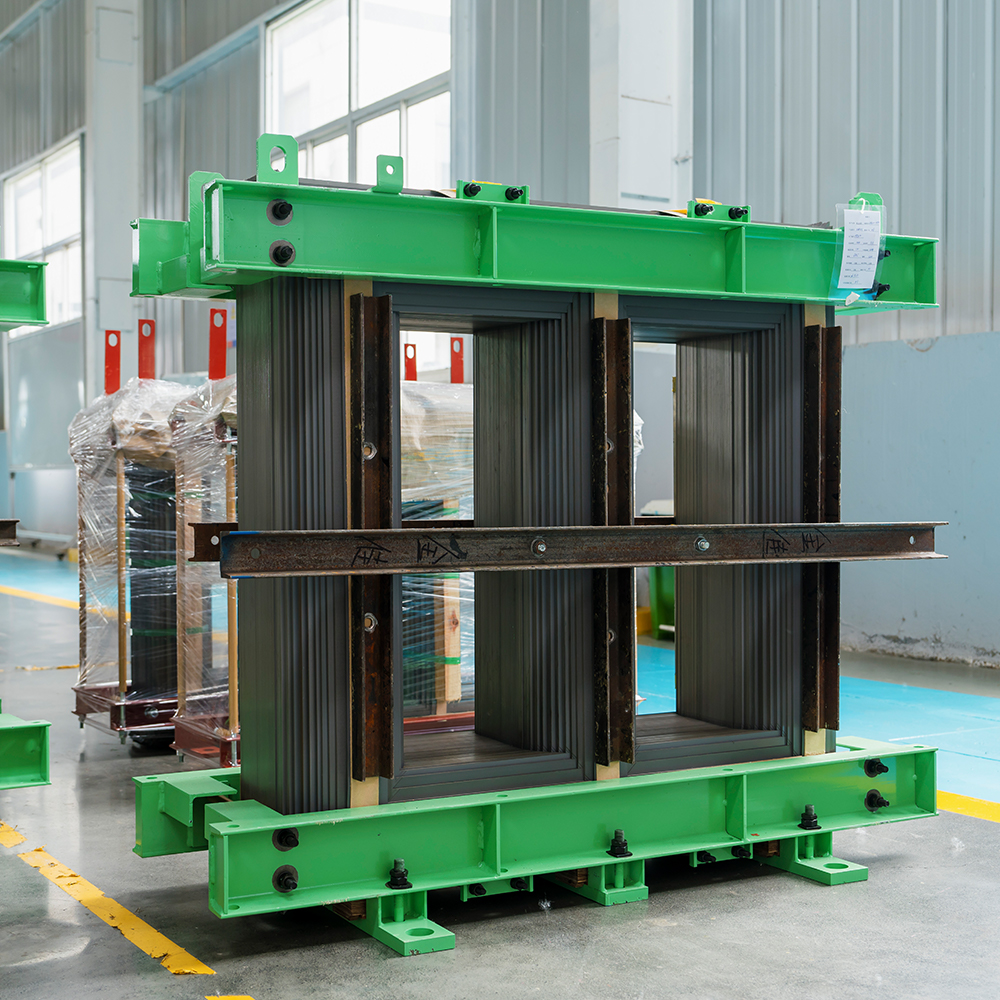
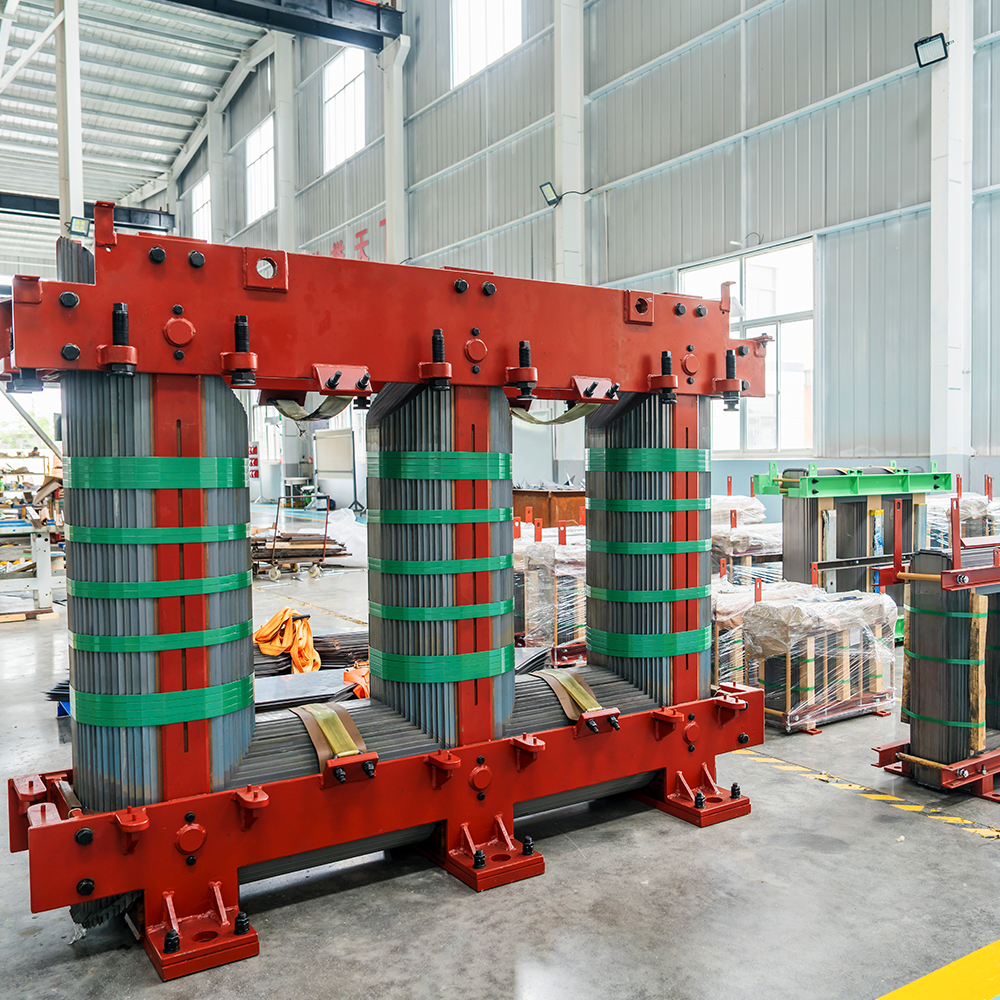
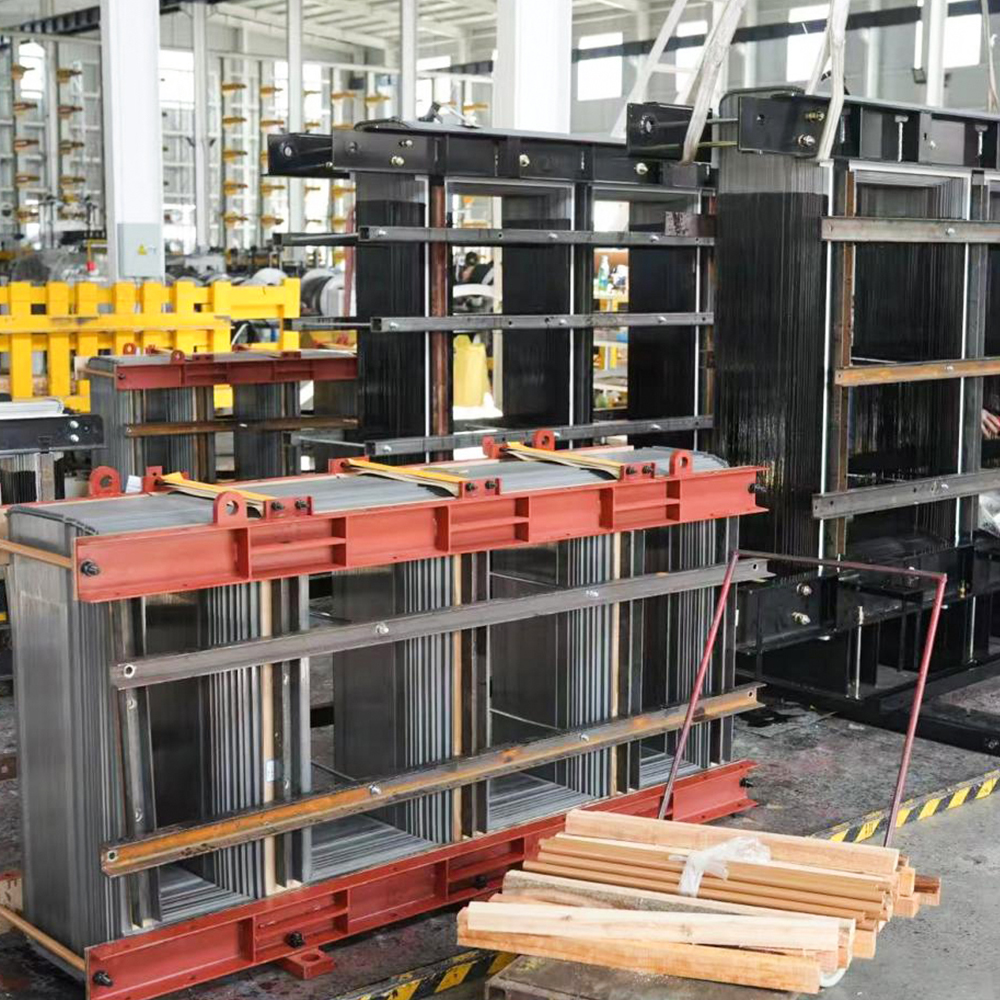
The transformer core, typically constructed from stacked layers of thin silicon steel, determines the unit's magnetic efficiency, no-load losses, and overall thermal performance. Any deviation in cut length, squareness, or edge quality directly translates into increased eddy current losses or audible noise. Therefore, core transverse cutting machines are not standalone shears but integrated systems incorporating feeding mechanisms, straightening units, precision measurement encoders, and high-speed punching or notching stations. To appreciate their full utility, it is essential to examine the three main product categories that dominate the current market: high-speed modular cutting lines, precision CNC transverse shears, and integrated stacking and cutting systems. Each category addresses distinct production scales, material grades, and automation requirements, offering manufacturers a tailored approach to core fabrication.
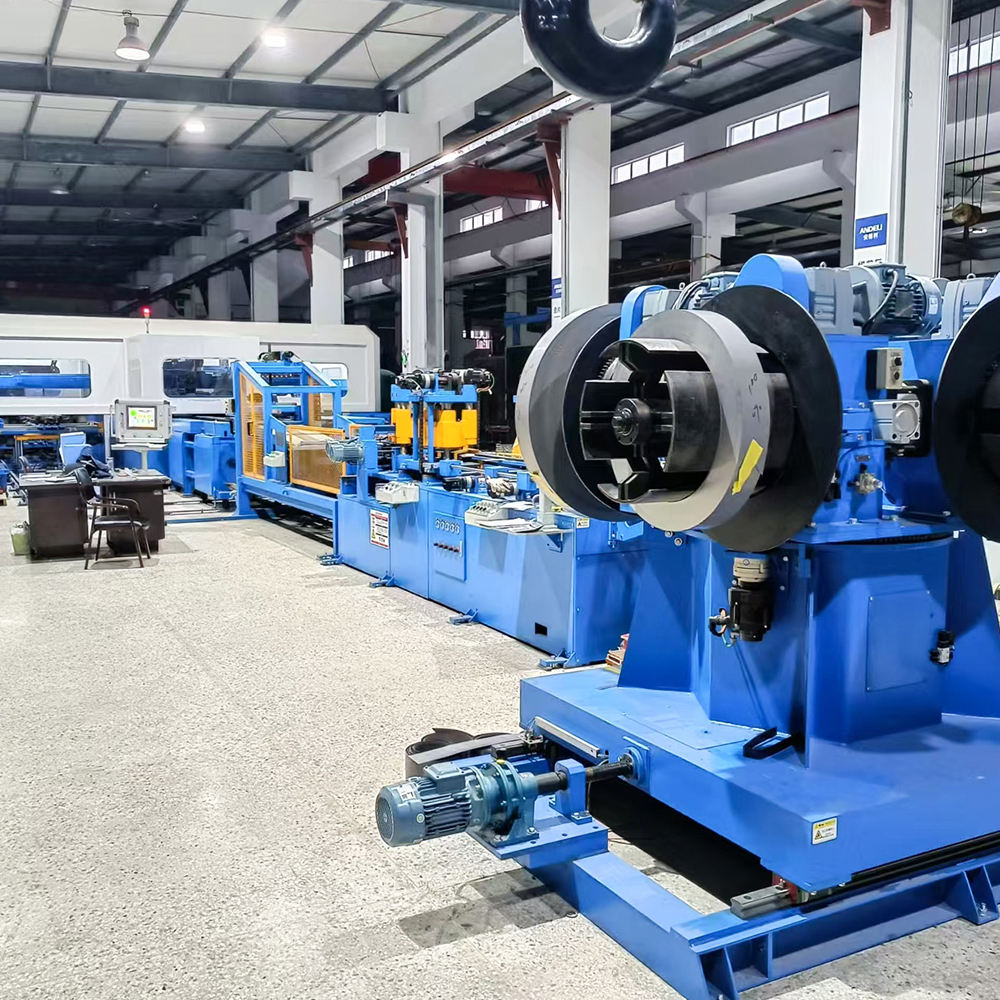
The first major classification encompasses high-speed modular cutting lines, which are designed for continuous, high-throughput operations typical of large-scale transformer producers. These core transverse cutting machines operate at line speeds exceeding 120 meters per minute, incorporating servo-driven feed rolls and real-time length compensation algorithms. The defining feature of this category is its modular architecture—the line can be expanded with additional punching units, V-notching stations, or even automatic stacking conveyors without replacing the base frame. For manufacturers producing distribution transformers in high volumes, this modularity offers a clear path for capacity upgrades while protecting initial capital investment.
Functionally, a high-speed modular line begins with an uncoiler that handles coils up to 25 tons, followed by a precision leveler that removes coil set. The cutting station uses a rotary shear or a guillotine blade driven by a high-torque AC motor, achieving cut lengths with tolerances of ±0.05 mm. Advanced models integrate optical edge detection to compensate for material wandering, ensuring that the transverse cut remains perfectly perpendicular to the rolling direction. This category excels in processing standard M4 and M5 grade silicon steels, commonly used in oil-immersed transformers rated up to 10 MVA. The primary differentiator is the ability to maintain consistent quality at high speeds while supporting quick changeover between different core designs, typically within 15 minutes.
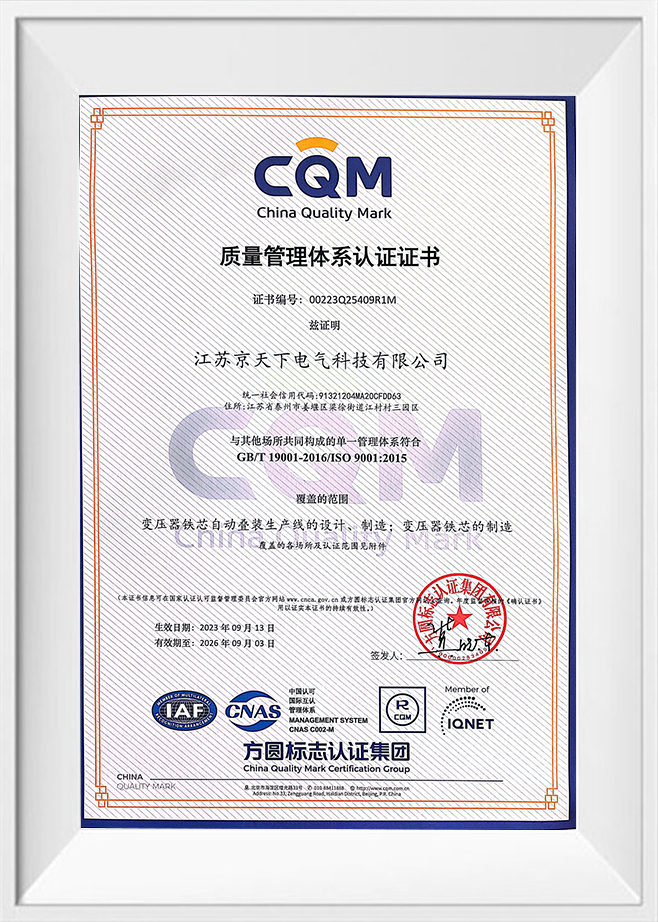
Jiangsu Jingtianxia Electric Technology Co., Ltd. has developed a proprietary high-speed modular line that incorporates real-time thickness monitoring and adaptive blade clearance adjustment, addressing one of the most persistent challenges in high-speed cutting—burr growth over extended production runs. With more than 46 in-house technical specialists, the company has refined its feed control algorithms to reduce length deviation by 40% compared to conventional systems. This solution is particularly valued by clients producing amorphous alloy cores, where even minor edge imperfections can cause significant assembly difficulties.
Compared to other categories, the high-speed modular line offers the lowest per-part cost for long production runs but requires a larger floor footprint and more sophisticated operator training. It is the preferred choice for dedicated transformer plants with stable product portfolios.
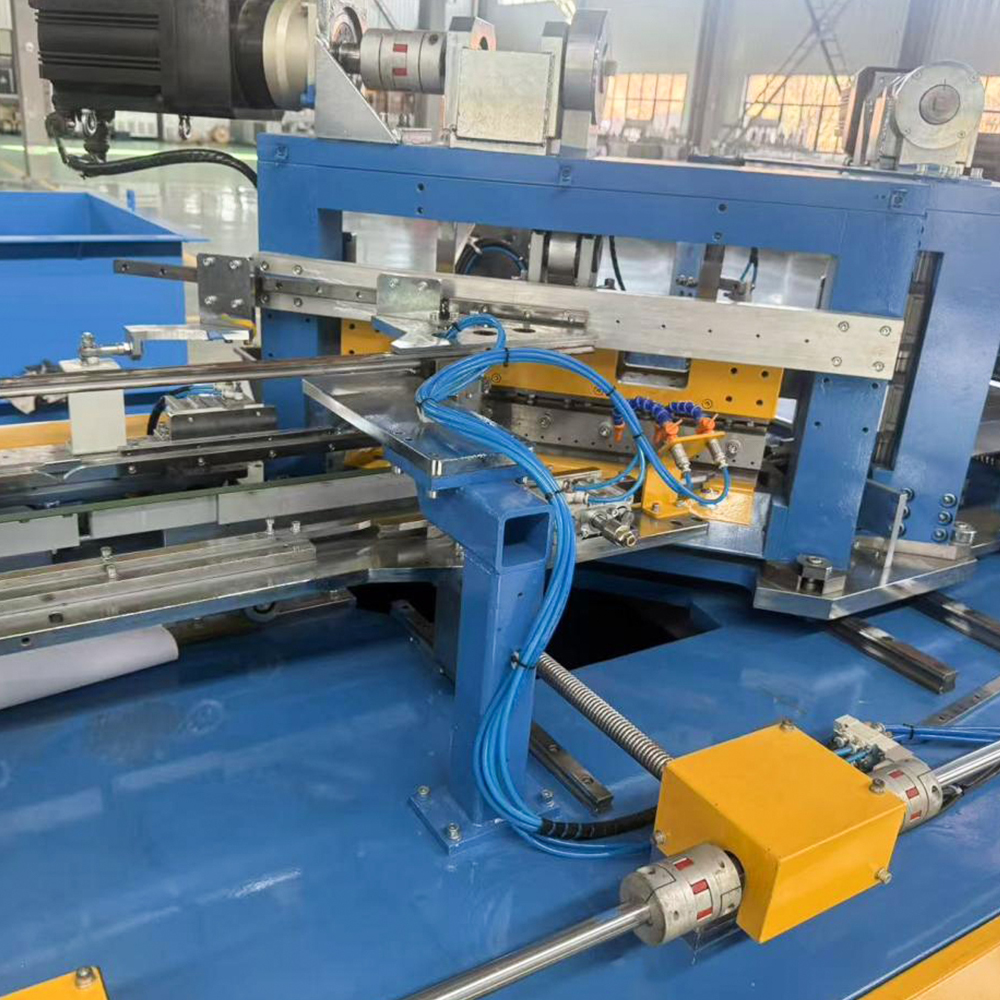
The second category comprises precision CNC transverse shears, which prioritize accuracy and flexibility over raw throughput. These core transverse cutting machines are typically used in job-shop environments or for prototype development, where cut lengths vary frequently and material grades range from standard silicon steel to ultra-thin high-permeability alloys. Unlike the modular lines, precision shears employ a rigid C-frame construction and a hydromechanical blade actuation system that delivers a clean, perpendicular cut with minimal blade deflection, achieving tolerances as tight as ±0.02 mm over a 1000 mm width.
The operational workflow of a precision shear includes a servo-driven roller feeder with absolute encoders, a programmable backgauge for length setting, and a digital control panel that stores up to 500 cutting programs. A distinguishing technical feature is the adaptive cut-on-the-fly capability, where the shear initiates the cut while the material is still in motion, reducing cycle time without compromising accuracy. This makes the category ideal for producing step-lap cores and interleaved joints, where each lamination requires slightly different dimensions to achieve optimal magnetic flux distribution. The machines also support mitre cuts up to 45 degrees, expanding their application to wound-core transformers.
Typical application scenarios include repair and maintenance workshops, research laboratories, and small-batch manufacturers of specialty transformers for railway or marine applications. The differentiation advantage lies in the ability to process fragile materials—such as 0.18 mm thick high-induction steels—without generating edge cracks or delamination, a problem that often plagues high-speed rotary shears. Furthermore, the CNC interface allows seamless integration with CAD systems, enabling direct import of cutting patterns from core design software.
Jiangsu Jingtianxia Electric Technology Co., Ltd. offers a precision shear variant equipped with a laser-based edge inspection module that rejects any sheet with micro-burrs exceeding 0.03 mm, ensuring that only defect-free laminations proceed to the stacking station. This capability aligns with the company's broader portfolio, which includes intelligent stacking equipment and automated warehousing, creating a closed-loop quality assurance system. The precision shear category, while slower than modular lines, delivers superior surface finish and is often deployed as a complementary machine for high-mix, low-volume orders.
In terms of cost-benefit, precision CNC shears command a higher initial investment per unit of output but offer unparalleled flexibility, making them indispensable for transformer manufacturers who cater to diverse customer specifications.
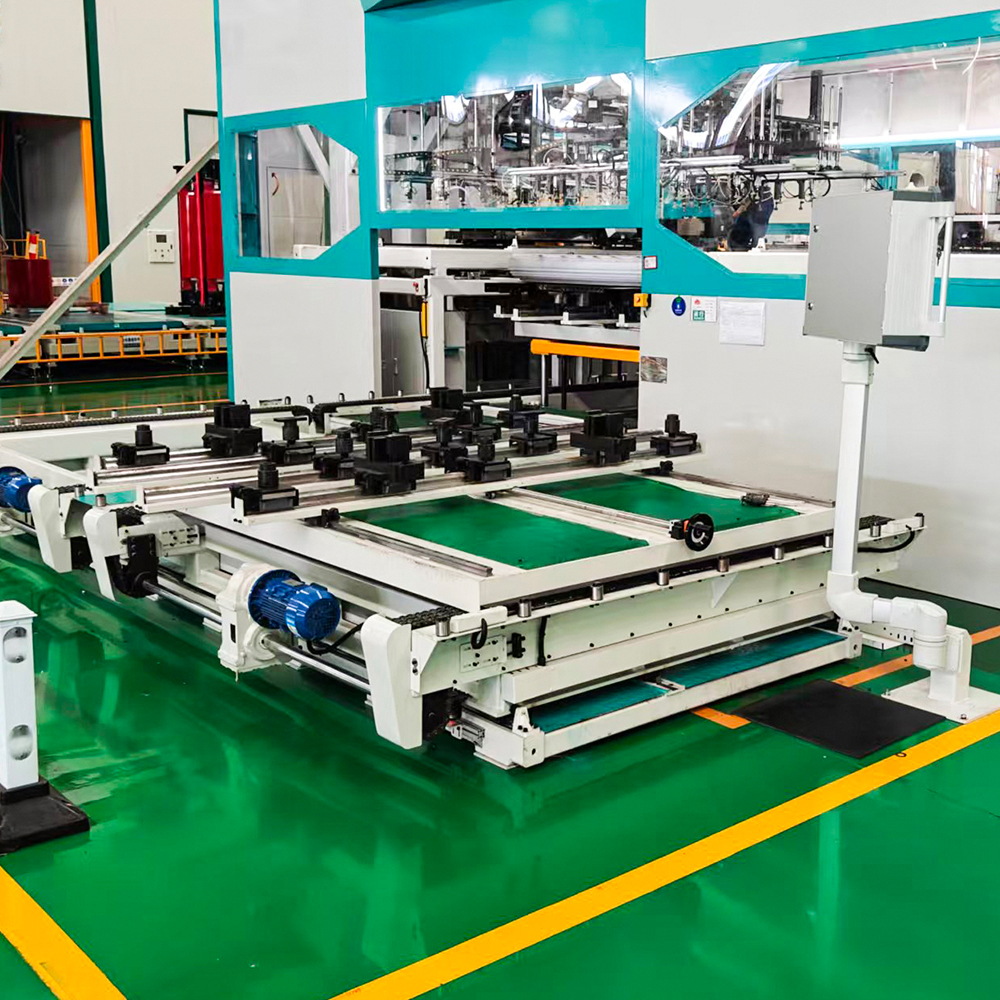
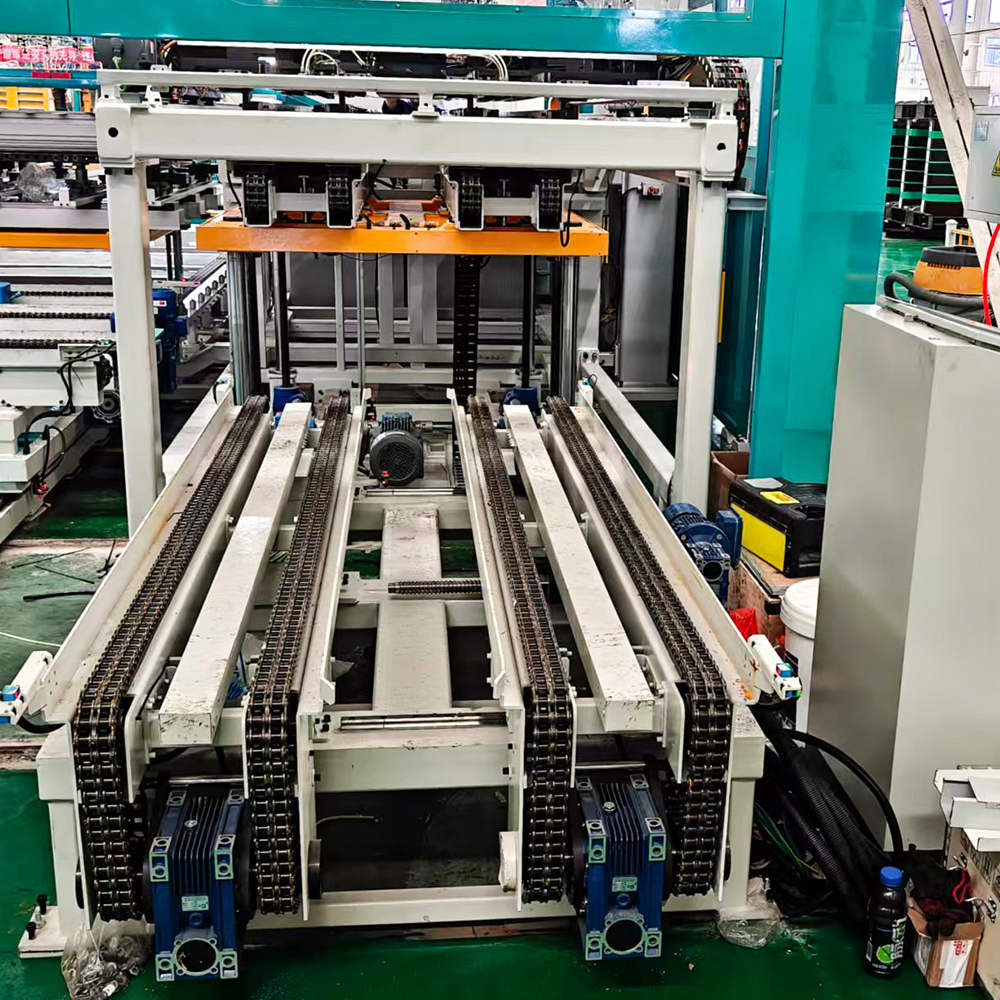
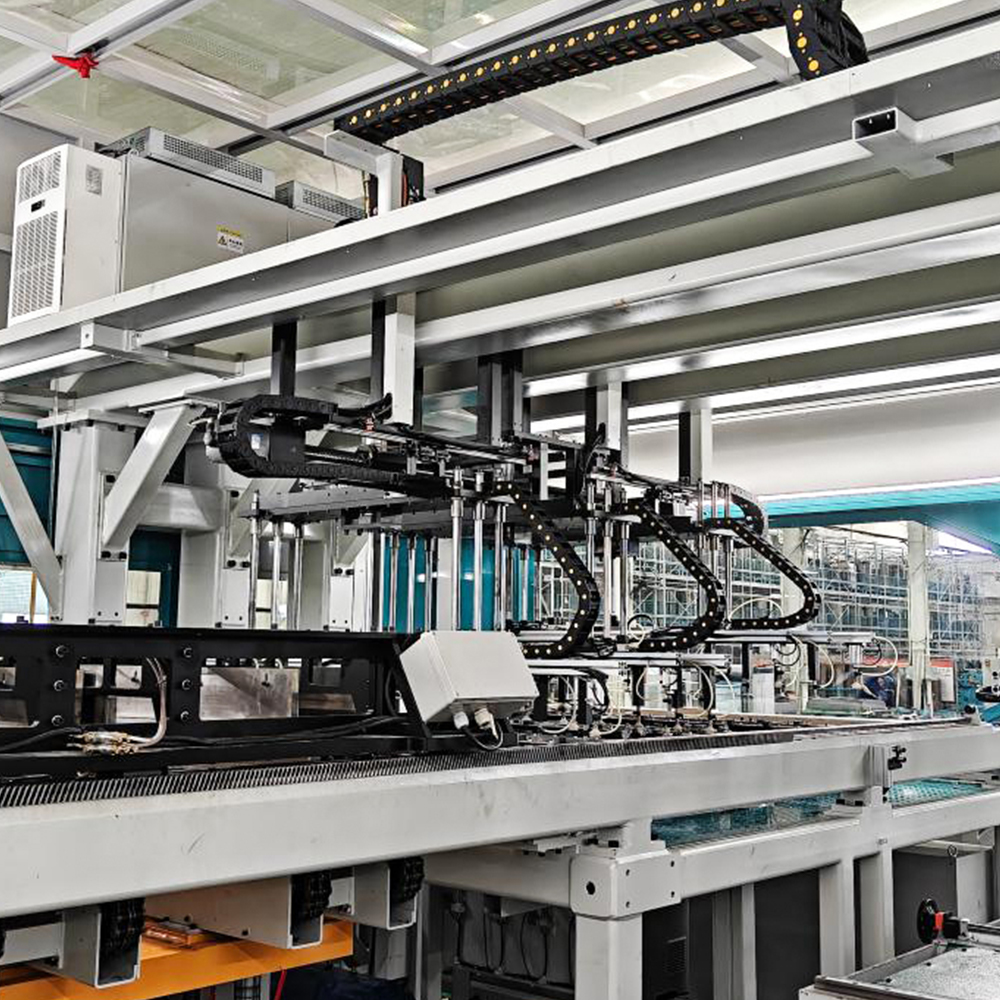
The third and most technologically advanced category is the integrated stacking and cutting system, which combines transverse cutting with robotic stacking into a single continuous process. These core transverse cutting machines are not merely cutting tools but complete workcells that transform coil stock into ready-to-assemble core packets. The system comprises an upstream cutting module—typically a precision shear or a high-speed rotary cutter—followed by a conveyor that feeds cut laminations to a multi-axis gantry robot or a delta-style pick-and-place unit. The robot arranges each lamination in a predefined stacking sequence, applying adhesive or interlocking pressure as required.
The core technical innovation is the real-time registration control, where the cutting module and the stacking robot share a common coordinate system derived from edge sensors and vision cameras. This ensures that each layer is stacked with angular accuracy better than 0.01°, critical for reducing core loss in high-efficiency transformers (IE4 and above). The system also includes an integrated weighing station that calculates the stacking factor per layer, providing immediate feedback for process adjustment. This category is predominantly used for large power transformers (above 50 MVA) and for traction transformers where core weight and symmetry directly affect dynamic performance.
Compared to standalone cutting and manual stacking, the integrated system reduces labor dependency by up to 70% and eliminates handling-induced damage, which is especially beneficial for thin-gauge (0.15 mm) materials. However, the system complexity requires sophisticated software for pattern generation, layer sequencing, and collision avoidance. It also demands a higher level of predictive maintenance due to the synchronized operation of mechanical, pneumatic, and vision subsystems.
Jiangsu Jingtianxia Electric Technology Co., Ltd. has deployed its integrated stacking and cutting systems in several tier-1 transformer factories across Asia, achieving a documented 25% reduction in core assembly cycle time. The company's proprietary stacking algorithms, developed by its team of 46 professional technical talents, account for material warpage and thickness variations, dynamically adjusting the robot's pick-up force and placement angle. This solution is part of the company's one-stop intelligent portfolio, which also includes automated logistics lines and warehouse systems, underscoring its commitment to end-to-end digital manufacturing solutions for the power industry.
| Parameter | High-Speed Modular | Precision CNC Shear | Integrated Stacking System |
| Cutting tolerance (mm) | ±0.05 | ±0.02 | ±0.03 |
| Max speed (m/min) | 150 | 45 | 60 |
| Material thickness range (mm) | 0.23 – 0.35 | 0.15 – 0.50 | 0.18 – 0.30 |
| Changeover time (min) | 12 – 18 | 5 – 8 | 20 – 30 |
| Typical application | Distribution transformers | Prototypes & specialty cores | Large power & traction transformers |
Through this three-category framework, it becomes evident that selecting the appropriate core transverse cutting machines depends on balancing production volume, material diversity, and integration level with downstream assembly. Jiangsu Jingtianxia Electric Technology Co., Ltd. addresses this diversity by offering all three configurations, supported by a robust after-sales service network and process optimization consulting. The company's deep understanding of core physics, combined with its in-house manufacturing of key mechanical components, enables it to tailor each machine's parameters to the specific magnetic steel grade and core geometry required by the customer. Whether the priority is maximum throughput, ultimate precision, or full automation, the modern transformer industry relies on these specialized cutting systems to maintain competitiveness in an increasingly efficiency-driven global market.
The high-speed modular line prioritizes throughput and is designed for continuous, high-volume production of standard core laminations, typically achieving speeds above 120 m/min with moderate tolerance (±0.05 mm). In contrast, the precision CNC shear focuses on accuracy and flexibility, delivering tighter tolerances (±0.02 mm) and faster changeover times, making it suitable for mixed-material and short-run jobs. The modular line is more cost-effective for mass production, while the shear offers superior edge quality for demanding magnetic designs.
Integrated systems eliminate manual handling between cutting and stacking, reducing the risk of edge damage, misalignment, and contamination. They also enable real-time registration feedback, ensuring that each lamination is placed with angular precision better than 0.01°. This directly reduces core loss and improves the transformer's efficiency rating. Furthermore, the system automatically rejects out-of-tolerance laminations, preventing defective layers from entering the core packet.
Jiangsu Jingtianxia Electric Technology Co., Ltd. manufactures and integrates all three major categories—high-speed modular lines, precision CNC shears, and integrated stacking systems. The company also provides customized solutions for amorphous and nanocrystalline core materials. With over 46 technical experts, the firm focuses on intelligent control algorithms and predictive maintenance features, offering a complete suite from individual machines to fully automated core fabrication workshops.
Yes, most precision CNC shears are equipped with a programmable mitre cutting capability, allowing angles from 0° to 45° with high repeatability. This feature is essential for producing step-lap and interleaved joints, which minimize flux leakage and reduce noise in large power transformers. The shear's rigid frame and servo-controlled backgauge ensure that both the length and the angle remain within the specified tolerance across thousands of cycles.