
Home / Products / Transformer Cores / Oil-Immersed Transformer Core
  • Oil-Immersed Transformer Core
  • Oil-Immersed Transformer Core
  • Oil-Immersed Transformer Core
  • Oil-Immersed Transformer Core
  • Oil-Immersed Transformer Core
  • Oil-Immersed Transformer Core
  • Oil-Immersed Transformer Core
  • Oil-Immersed Transformer Core
  • Oil-Immersed Transformer Core
  • Oil-Immersed Transformer Core
  • Oil-Immersed Transformer Core
  • Oil-Immersed Transformer Core
  • Oil-Immersed Transformer Core
  • Oil-Immersed Transformer Core
  • Oil-Immersed Transformer Core
  • Oil-Immersed Transformer Core
  • Oil-Immersed Transformer Core
  • Oil-Immersed Transformer Core
  • Oil-Immersed Transformer Core
  • Oil-Immersed Transformer Core

Oil-Immersed Transformer Core

Product Definition

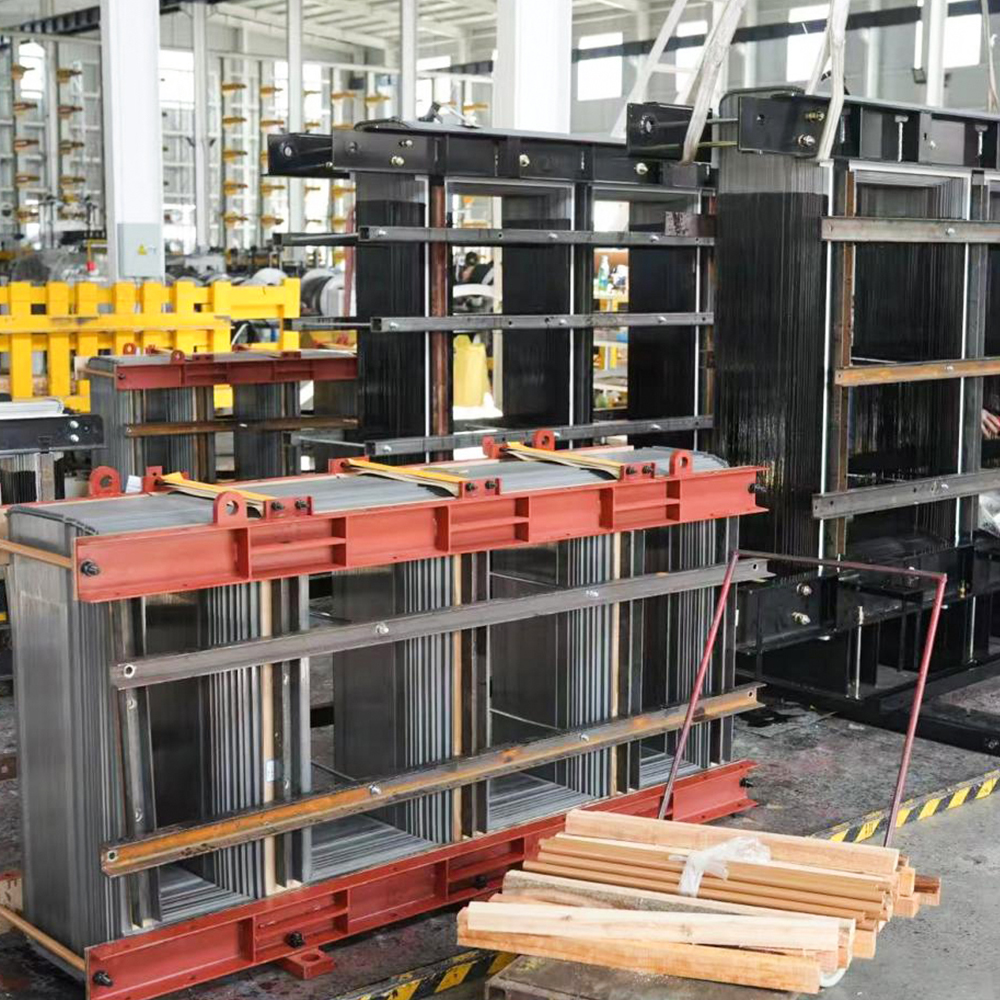
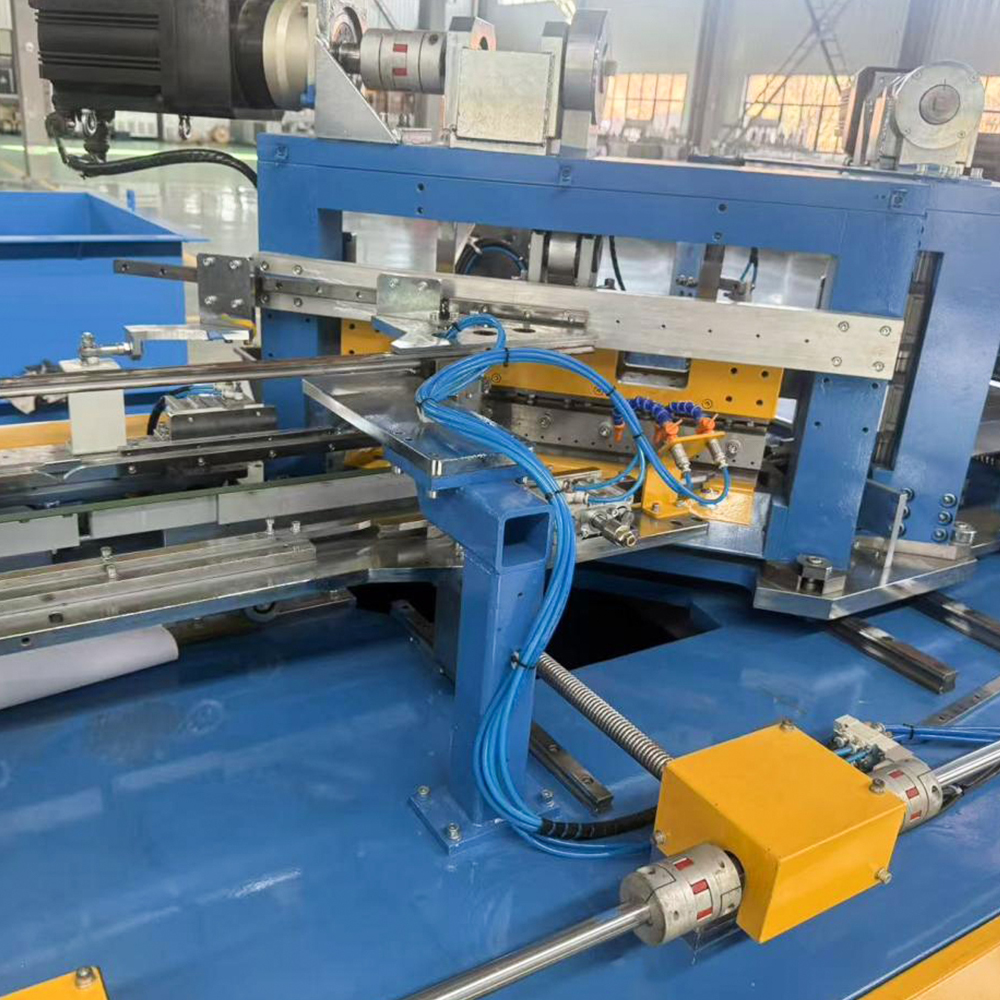
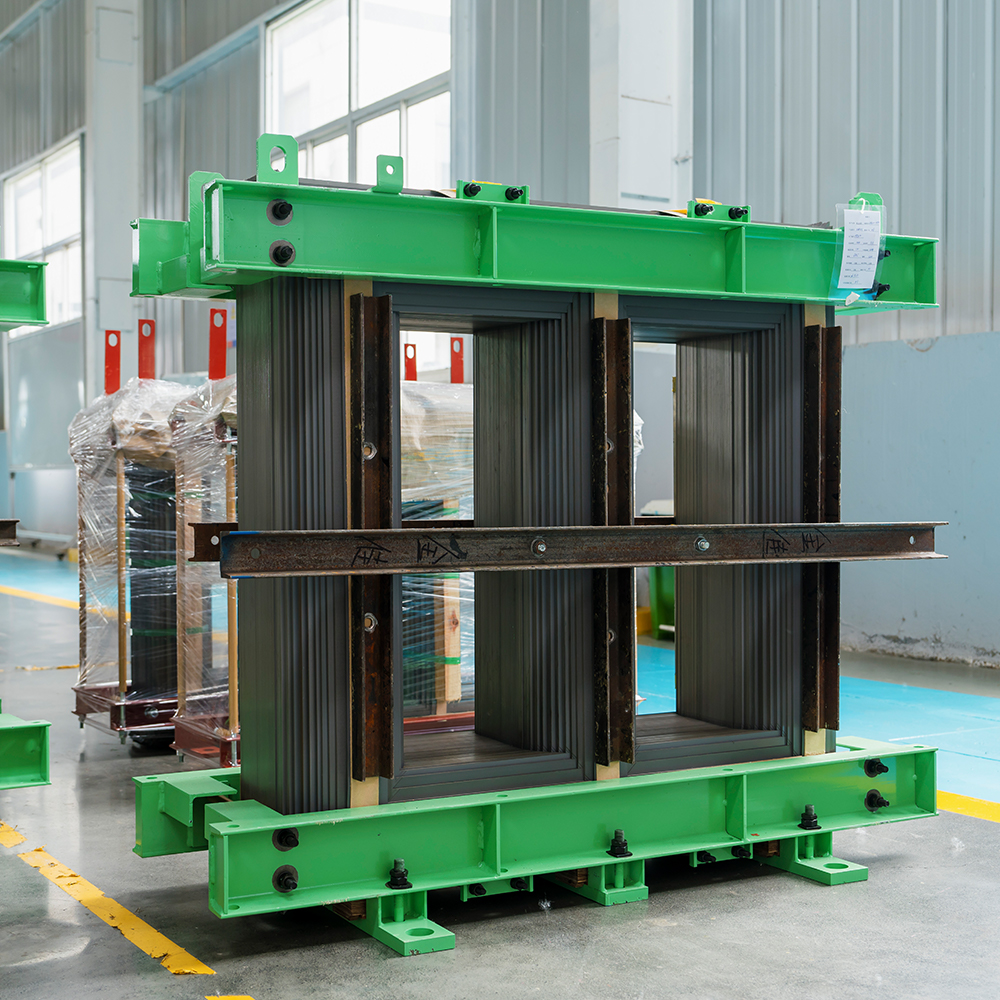
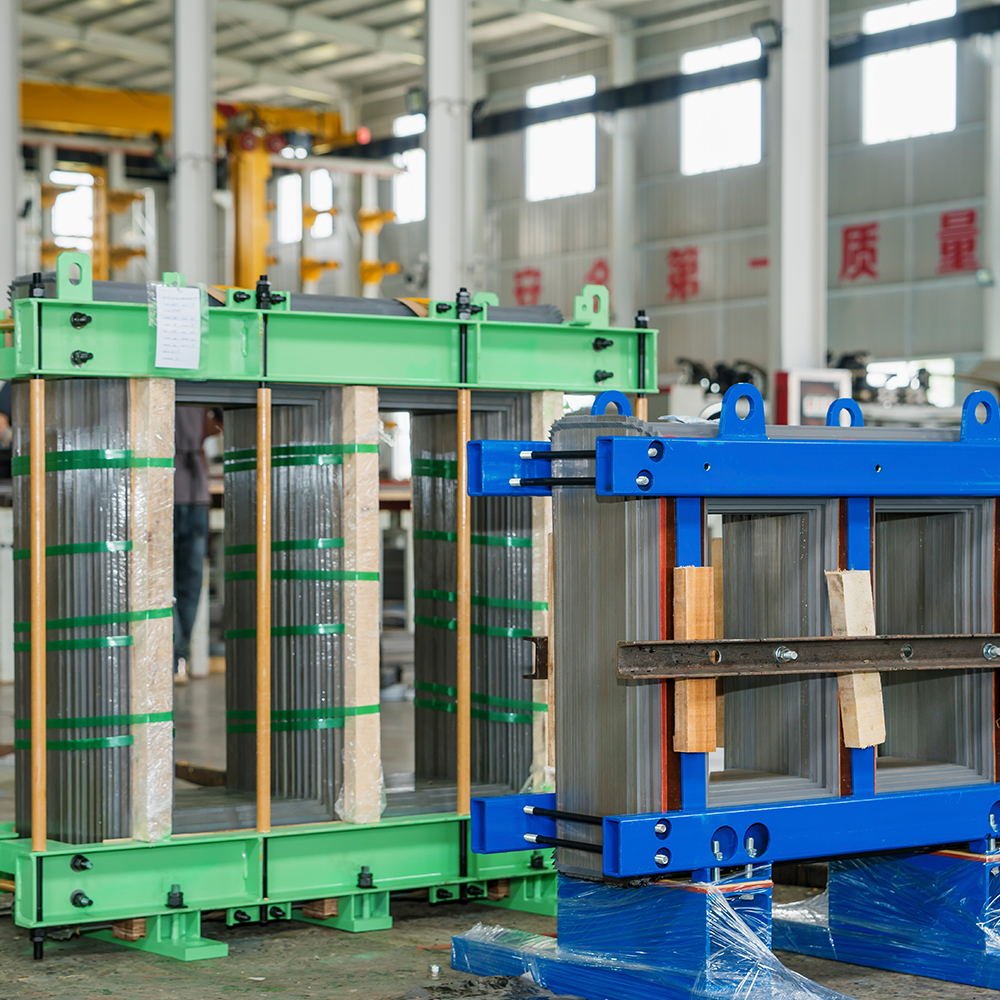
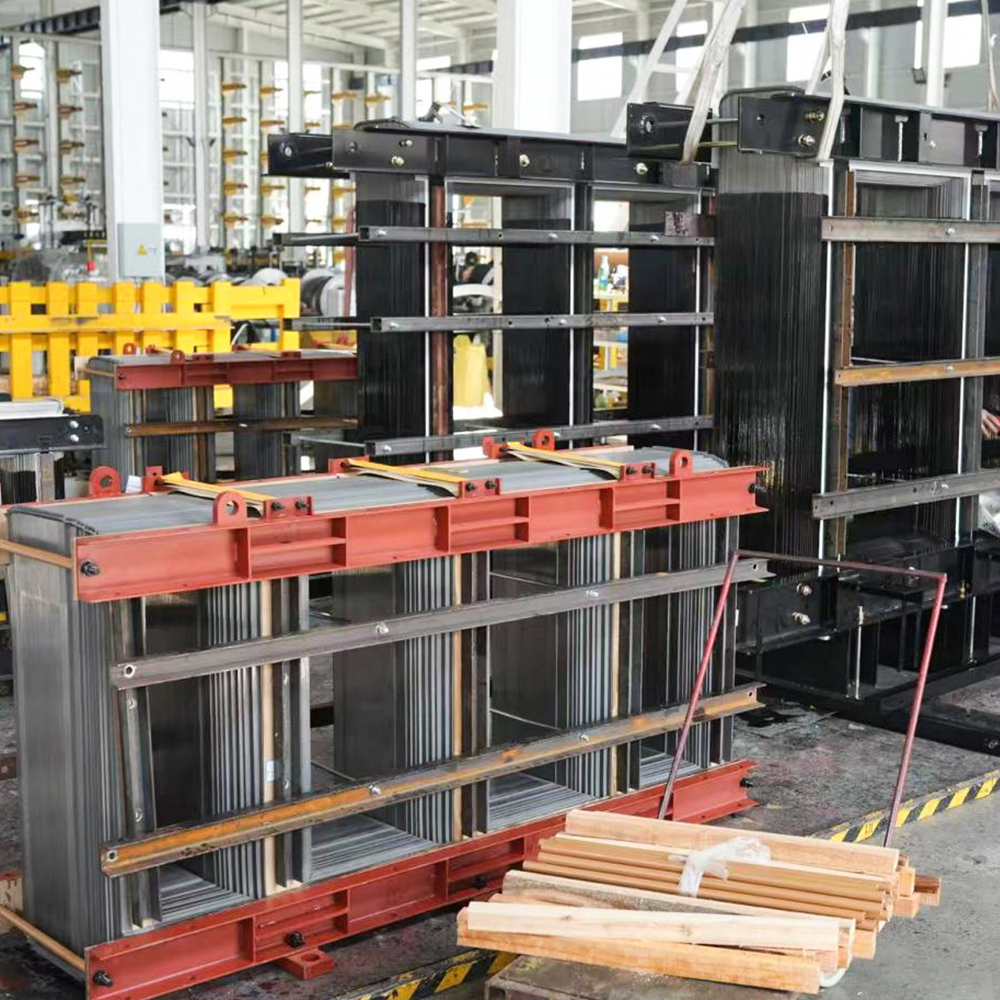
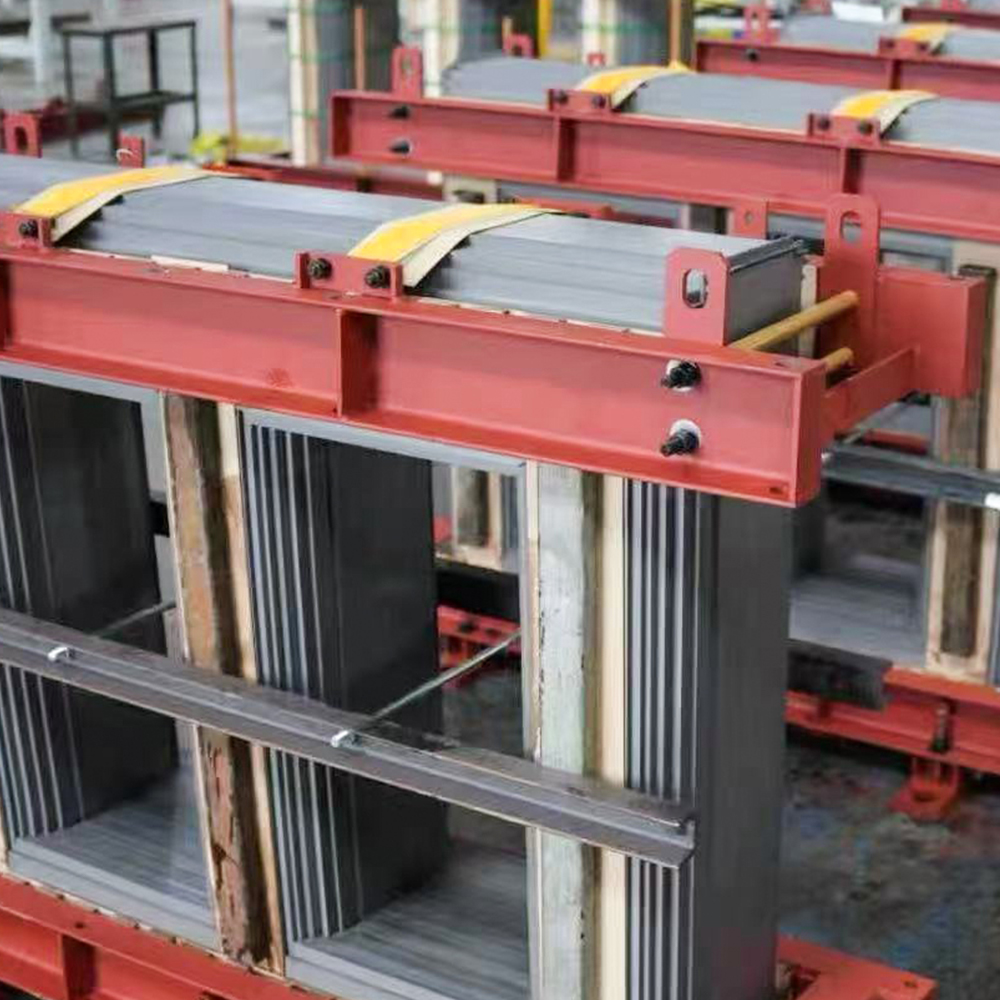
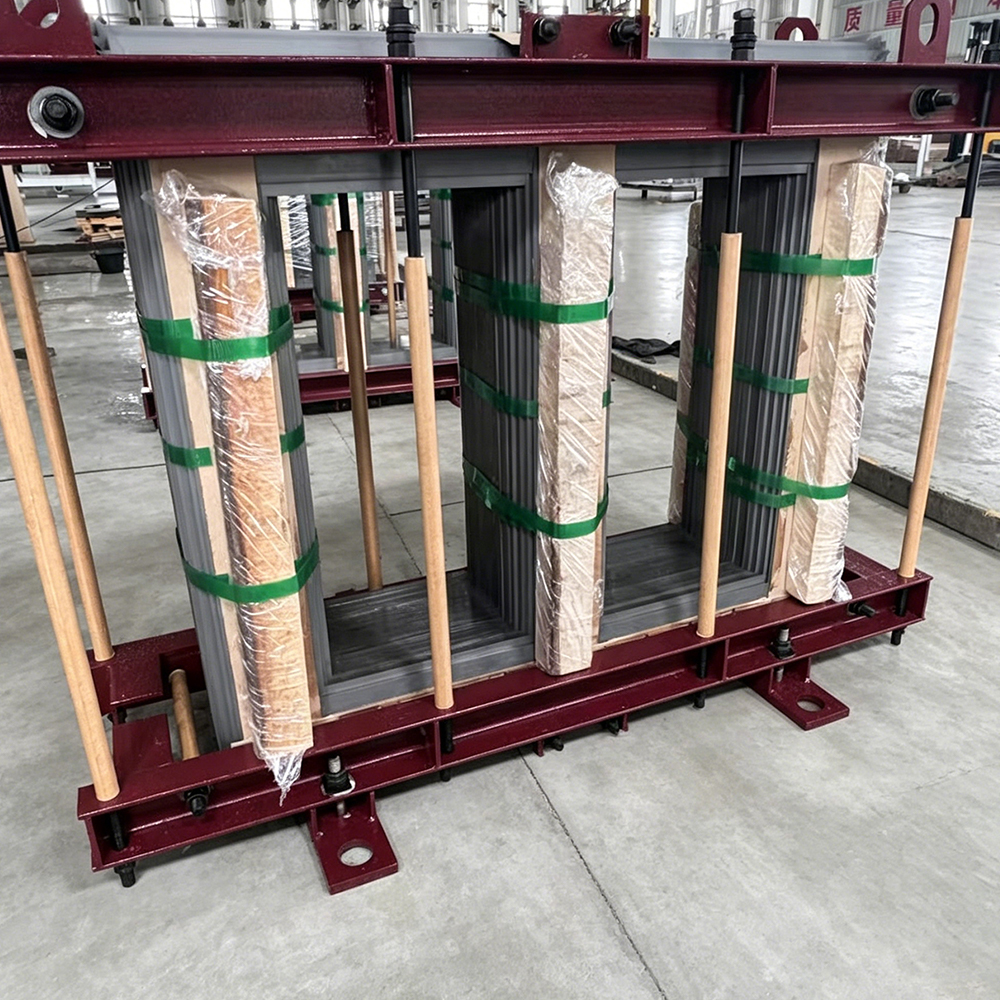
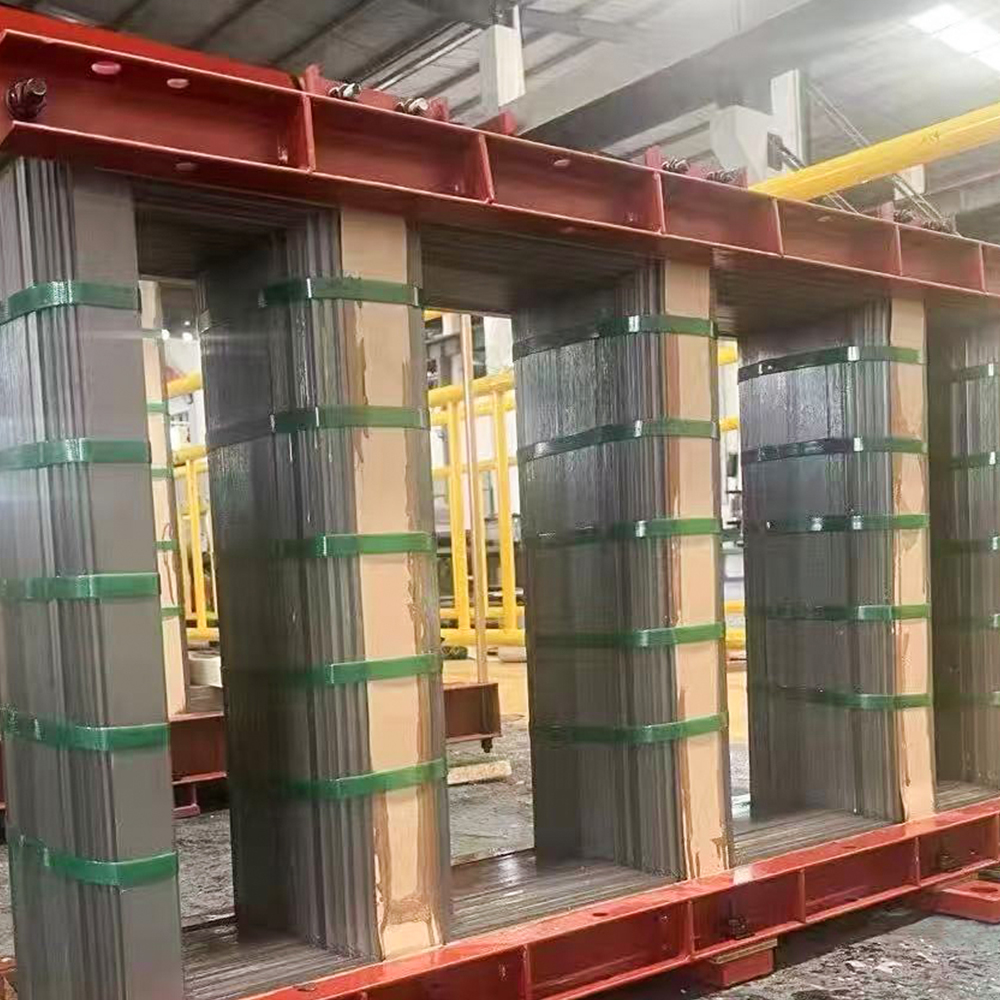
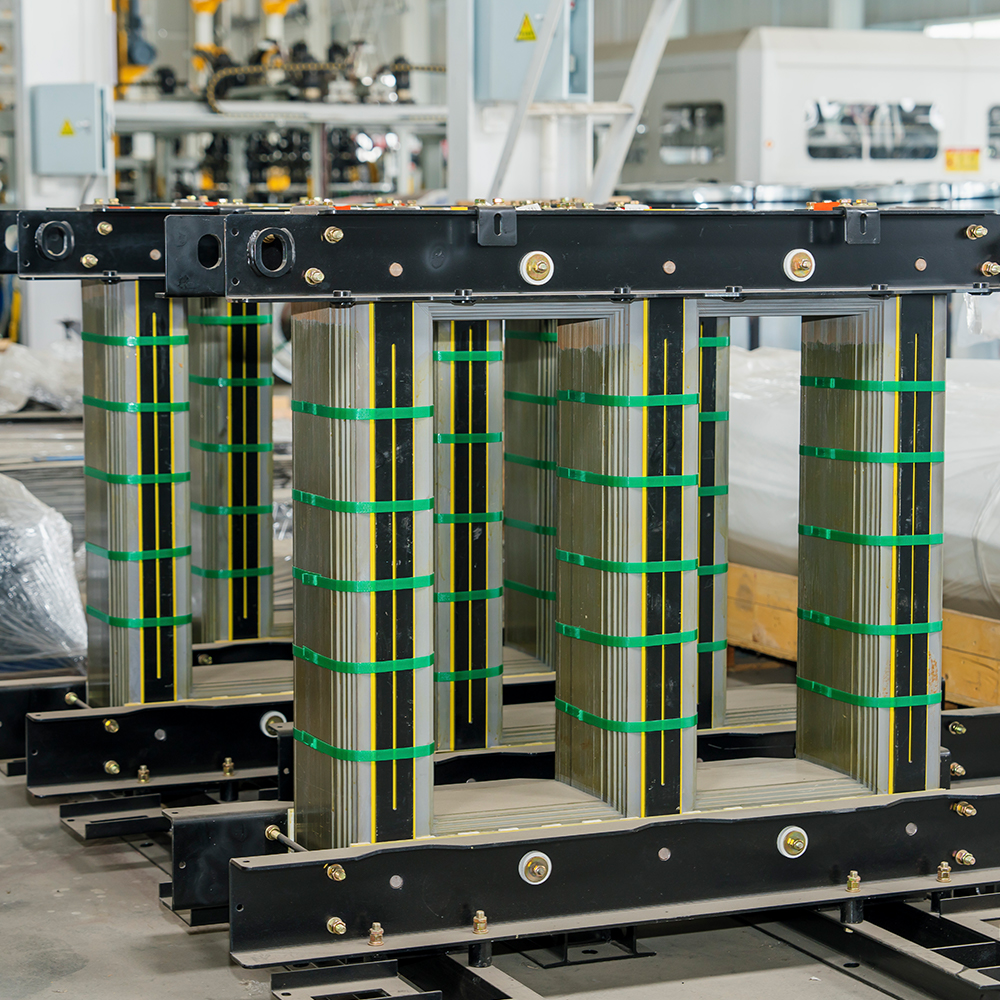
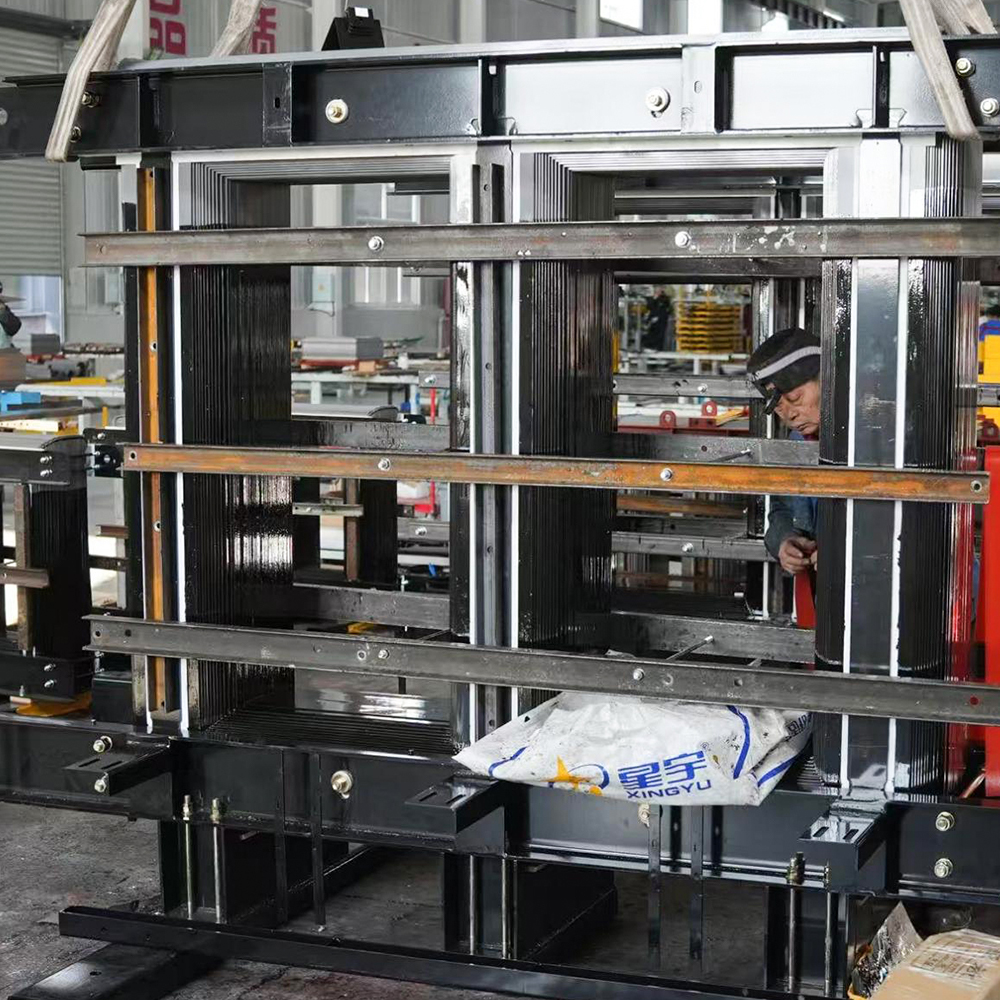
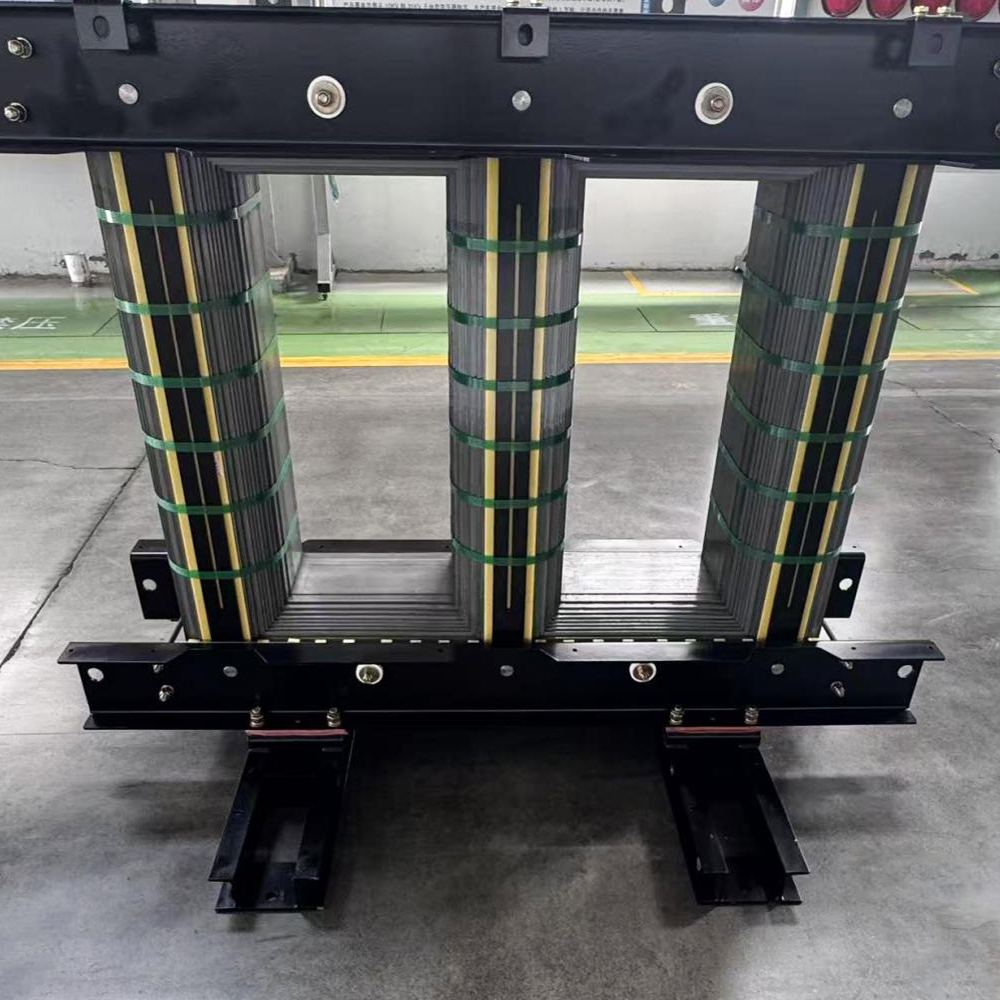
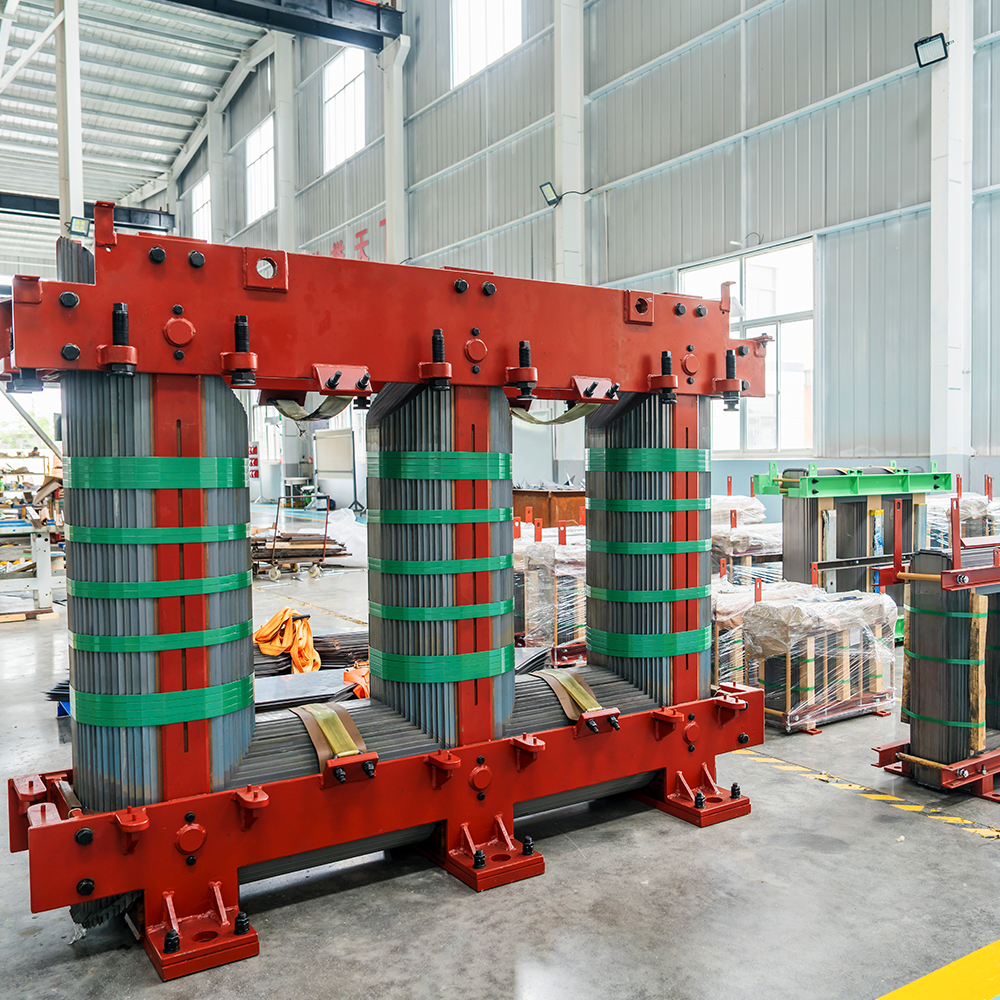
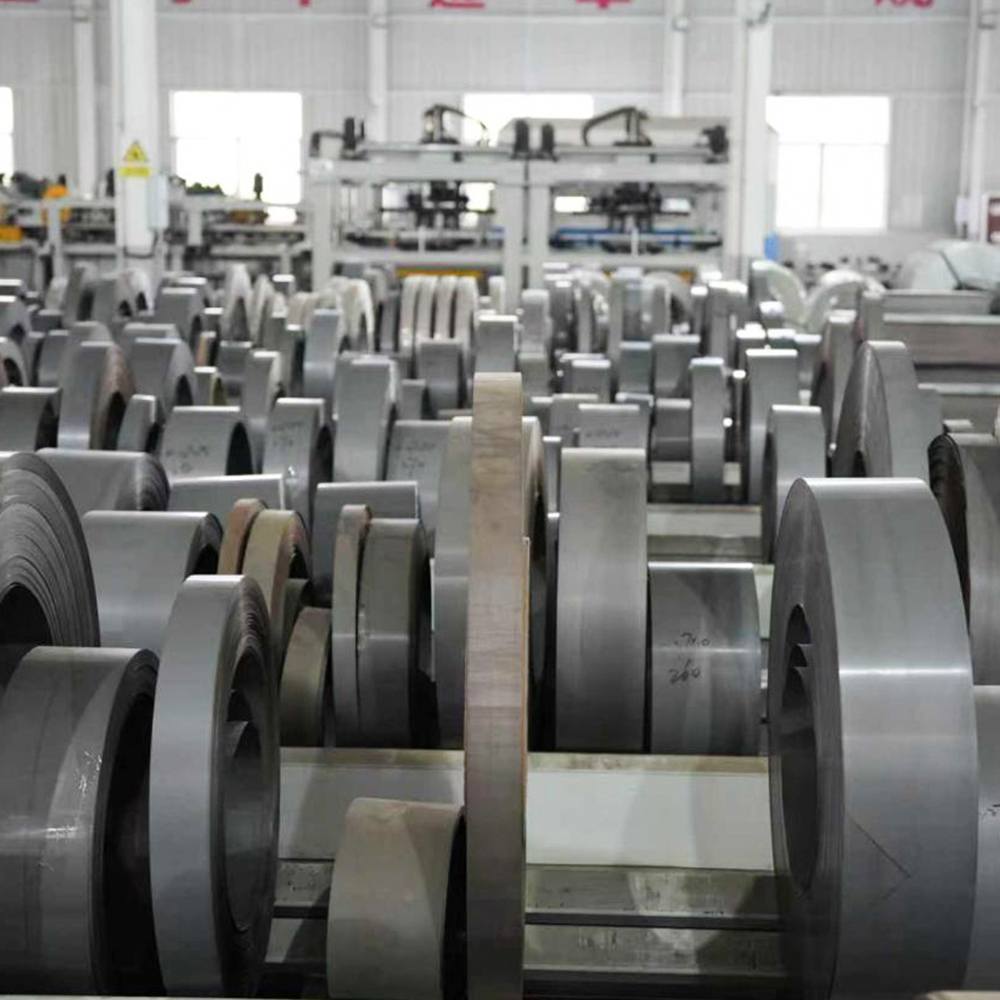
Specifically designed for oil-immersed distribution transformers, this core is manufactured from premium imported or domestic grain-oriented silicon steel sheets (thicknesses including 0.23mm, 0.27mm, 0.30mm) with high magnetic permeability. Engineered through high-precision slitting and shearing processes, it offers outstanding magnetic flux density and ultra-low loss characteristics, making it the ideal energy-saving core component for oil-immersed transformers.

Contact Us
Add Cart

Product Advantages

Excellent Loss Control: The no-load loss strictly complies with national standards and can achieve negative deviation, effectively reducing long-term transformer operating costs.

Premium Material Guarantee: Selected high-grade grain-oriented silicon steel sheets from top-tier domestic and imported brands ensure material uniformity and stable magnetic performance.

Superior Current Control: No-load current fully meets national standards, reducing excitation power and improving the power factor of the power grid.

Exquisite Craftsmanship: Precision stacking and binding technology effectively controls internal stress, reducing the risk of localized overheating.

Applications Feedback

Product Applications

Widely applied in S11 and S13 series oil-immersed distribution transformers. It is the premium core solution for urban grid upgrades, rural power grid construction, industrial/mining enterprises, and modern building power distribution systems.
About Us
Jiangsu Jingtianxia Electric Technology Co., Ltd.
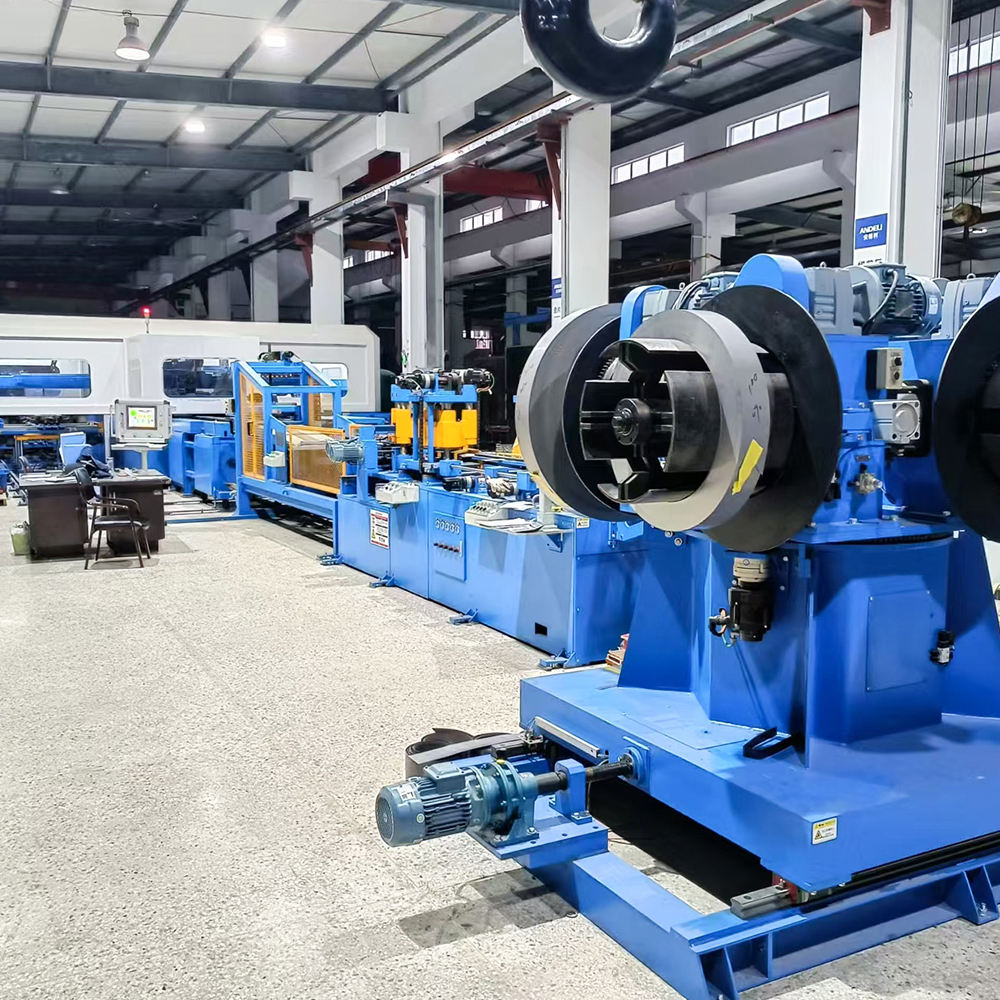
Jiangsu Jingtianxia Electric Technology Co., Ltd. is a leading and competitive enterprise in the domestic industry, specializing in the R&D, production, and supply of core power supporting products. Our main product portfolio covers transformer cores, intelligent transformer core stacking equipment, core transverse cutting machines, intelligent workshop warehousing systems, and automated logistics production lines. Staffed with more than 46 professional technical talents, the company boasts solid technical accumulation and a mature production system. We are China Oil-Immersed Transformer Core Suppliers and Oil-Immersed Transformer Core Exporter&Company, Focusing on the electric power industry, we continuously provide high-quality, high-precision, and intelligent one-stop supporting solutions for global customers.
Certificate of Honor
  • Patent Certificate
  • Patent Certificate
  • Patent Certificate
  • Patent Certificate
  • Patent Certificate
  • Patent Certificate
  • Patent Certificate
  • Business License
News
Message Feedback
Oil-Immersed Transformer Core Industry knowledge

What is core loss in an oil-immersed transformer?

In the realm of power transmission and distribution, the oil-immersed transformer core serves as the magnetic heart of the entire apparatus. Its primary function is to provide a low-reluctance path for magnetic flux, thereby enabling efficient electromagnetic energy conversion between the primary and secondary windings. However, no magnetic material is perfect. During normal operation, a portion of the electrical energy is inevitably dissipated as heat within the core itself—a phenomenon collectively known as core loss. Understanding core loss is not merely an academic exercise; it is a critical economic and operational consideration that directly influences transformer efficiency, operating temperature, and overall lifecycle cost. For utilities and industrial users alike, minimizing core loss translates to substantial long-term savings and improved grid reliability. This article delves into the origins, components, and mitigation strategies for core loss, while also showcasing how advanced manufacturing and premium materials—exemplified by Jiangsu Jingtianxia Electric Technology Co., Ltd.—are redefining performance benchmarks for modern transformer cores.

1. The Physical Origins of Core Loss in Oil-Immersed Transformers

To fully grasp what core loss entails, one must first examine the electromagnetic behavior of the oil-immersed transformer core under alternating current (AC) excitation. Core loss is broadly classified into two main components: hysteresis loss and eddy current loss. Hysteresis loss arises from the continuous magnetization and demagnetization of the core material as the alternating current cycles. Each cycle requires energy to overcome the magnetic domain wall movement, and this energy is released as heat. The magnitude of hysteresis loss depends on the core material's coercivity and the operating flux density. Eddy current loss, on the other hand, is induced by circulating currents that flow within the core material itself due to the time-varying magnetic field. These currents generate resistive heating (I²R losses) and are significantly influenced by the core's electrical resistivity and lamination thickness. In high-quality oil-immersed transformer core designs, manufacturers employ thin, grain-oriented silicon steel laminations to effectively reduce eddy current paths, thereby curtailing this loss component.

It is important to note that core loss is a continuous, irreversible process. Even when the transformer is under no-load conditions, the core still draws excitation current and dissipates power—this is why core loss is often referred to as no-load loss. For a typical distribution transformer, core loss can account for 15% to 30% of total losses over its service life, making it a primary target for efficiency improvement programs. The strategic selection of core materials, such as premium grain-oriented silicon steel with thicknesses of 0.23mm, 0.27mm, and 0.30mm, directly impacts both hysteresis and eddy current components. This is precisely where specialized manufacturers demonstrate their value, combining material science with precision engineering to achieve ultra-low loss characteristics.

2. Classifying Core Loss by Material and Design Approach

To effectively manage and reduce core loss, the industry has developed various sub-classifications of oil-immersed transformer core technologies. Each classification offers distinct advantages in terms of magnetic performance, manufacturability, and cost-effectiveness. Below, we explore three prominent categories that reflect current engineering practices and market demands.

2.1 Conventional Grain-Oriented Silicon Steel Cores

This category represents the industry standard for most distribution and medium-power transformers. The core is constructed from grain-oriented silicon steel sheets, typically with thicknesses of 0.27mm or 0.30mm, which are stacked and clamped to form a closed magnetic circuit. The defining feature of this design is the controlled crystallographic orientation—the steel is processed so that the easy magnetization direction aligns with the rolling direction, thereby maximizing flux density and minimizing hysteresis loss. Conventional cores are widely adopted due to their balanced performance, mature production processes, and competitive cost structure. Their typical applications include utility distribution transformers, industrial step-down units, and renewable energy collection systems.

The primary advantage of conventional silicon steel cores lies in their predictability and reliability. Manufacturers with robust technical capabilities, such as Jiangsu Jingtianxia Electric Technology Co., Ltd., have perfected the precision slitting and shearing processes required to maintain tight dimensional tolerances and consistent magnetic properties. By employing high-precision stacking and binding techniques, these cores effectively control internal stress—a key factor in preventing localized overheating and ensuring stable no-load current performance. Furthermore, the no-load loss of these cores can be engineered to achieve negative deviation from national standards, offering end-users a tangible reduction in operating expenses over the transformer's lifecycle. With over 46 professional technical talents on staff, Jiangsu Jingtianxia Electric Technology Co., Ltd. has accumulated deep expertise in optimizing this core type for diverse operating environments.

2.2 High-Permeability (Hi-B) Cores

Hi-B cores represent an evolutionary step forward in oil-immersed transformer core technology. These cores utilize specially processed grain-oriented steel that exhibits even higher magnetic permeability than conventional grades—often achieving permeability values exceeding 1.88 T at 800 A/m. This enhanced permeability allows for a reduction in the core's cross-sectional area for the same flux handling capacity, leading to a more compact transformer design. The reduced core volume, in turn, lowers both the material cost and the overall core loss. Hi-B cores are particularly favored in high-efficiency transformers that must comply with stringent regulatory standards, such as DOE 2016 or EU Ecodesign Tier 2 requirements.

One of the key differentiators of Hi-B cores is their superior performance under high flux density conditions. While conventional cores may experience rapid saturation above 1.7 T, Hi-B grades can operate efficiently up to 1.9 T, making them ideal for transformers that experience voltage fluctuations or varying load profiles. Their typical applications include large power transformers, traction transformers for rail systems, and high-voltage transmission units. Jiangsu Jingtianxia Electric Technology Co., Ltd. leverages its advanced intelligent core stacking equipment and automated production lines to produce Hi-B cores with exceptional dimensional accuracy and minimal joint losses. The company's commitment to premium material sourcing—from both domestic and imported top-tier brands—ensures that every Hi-B core achieves stable magnetic performance and superior current control, thereby enhancing the power factor of the connected grid.

2.3 Amorphous Alloy Cores

Amorphous alloy cores constitute a radical departure from traditional crystalline silicon steel designs. Instead of a regular atomic lattice structure, amorphous metals feature a disordered, glass-like arrangement that dramatically reduces hysteresis loss—typically by 60% to 70% compared to conventional grain-oriented steel. This makes the oil-immersed transformer core constructed from amorphous alloy an exceptionally energy-efficient solution, particularly for transformers operating under light or variable load conditions. The typical thickness of amorphous ribbon is only 0.025mm to 0.030mm, which also contributes to extremely low eddy current losses.

However, amorphous cores present unique manufacturing challenges. The material is inherently brittle and requires specialized slitting and shearing processes to avoid stress-induced fractures. Additionally, the core assembly must be handled with extreme care to maintain magnetic properties and prevent performance degradation. Despite these challenges, the energy-saving potential is undeniable—amorphous cores can reduce no-load loss by up to 75% relative to conventional designs, making them highly attractive for rural distribution networks, offshore wind farms, and smart grid applications. Jiangsu Jingtianxia Electric Technology Co., Ltd. has invested significantly in R&D and production infrastructure to overcome these manufacturing hurdles, offering customers a reliable source of high-quality amorphous cores backed by intelligent workshop warehousing systems and automated logistics. The company's ability to provide one-stop supporting solutions for global clients is particularly evident in this advanced category.

3. Comparative Analysis of Core Technologies

To assist engineers and procurement specialists in selecting the most appropriate core type for their specific applications, the following table provides a direct comparison of key performance indicators across the three categories discussed above. All data are based on typical values for 50Hz distribution transformers in the 100–1000 kVA range.

Parameter Conventional Silicon Steel Hi-B Silicon Steel Amorphous Alloy
Typical Thickness (mm) 0.27 – 0.30 0.23 – 0.27 0.025 – 0.030
Relative Permeability (max) ~1.75 T ~1.90 T ~1.56 T
Typical No-Load Loss (W/kg at 1.7T) 1.2 – 1.5 0.9 – 1.1 0.2 – 0.3
Exciting Current (% of rated) 0.8 – 1.5 0.4 – 0.8 1.0 – 2.0
Relative Cost (per kVA) Baseline (1.0x) 1.2 – 1.3x 1.8 – 2.2x
Typical Application Focus General distribution High-efficiency/power Ultra-low loss/green

4. Practical Strategies for Core Loss Reduction

Beyond material selection, there are several engineering practices that can further minimize core loss in an oil-immersed transformer core. These strategies are routinely implemented by experienced manufacturers like Jiangsu Jingtianxia Electric Technology Co., Ltd. to deliver superior product performance. Key measures include:

  • Optimized step-lap joint construction – Reducing joint reluctance and magnetic flux fringing, which directly lowers localized losses.
  • Precision stacking and binding – Ensuring uniform pressure distribution across the core stack to mitigate internal stress and vibration-induced loss increases.
  • Strict control of burr height – Maintaining slitting and shearing quality to prevent inter-lamination short circuits that amplify eddy currents.
  • Core annealing after cutting – Relieving residual stresses introduced during fabrication, thereby recovering magnetic permeability.
  • Proper grounding of the core – Preventing floating potential and circulating ground currents that contribute to additional stray losses.

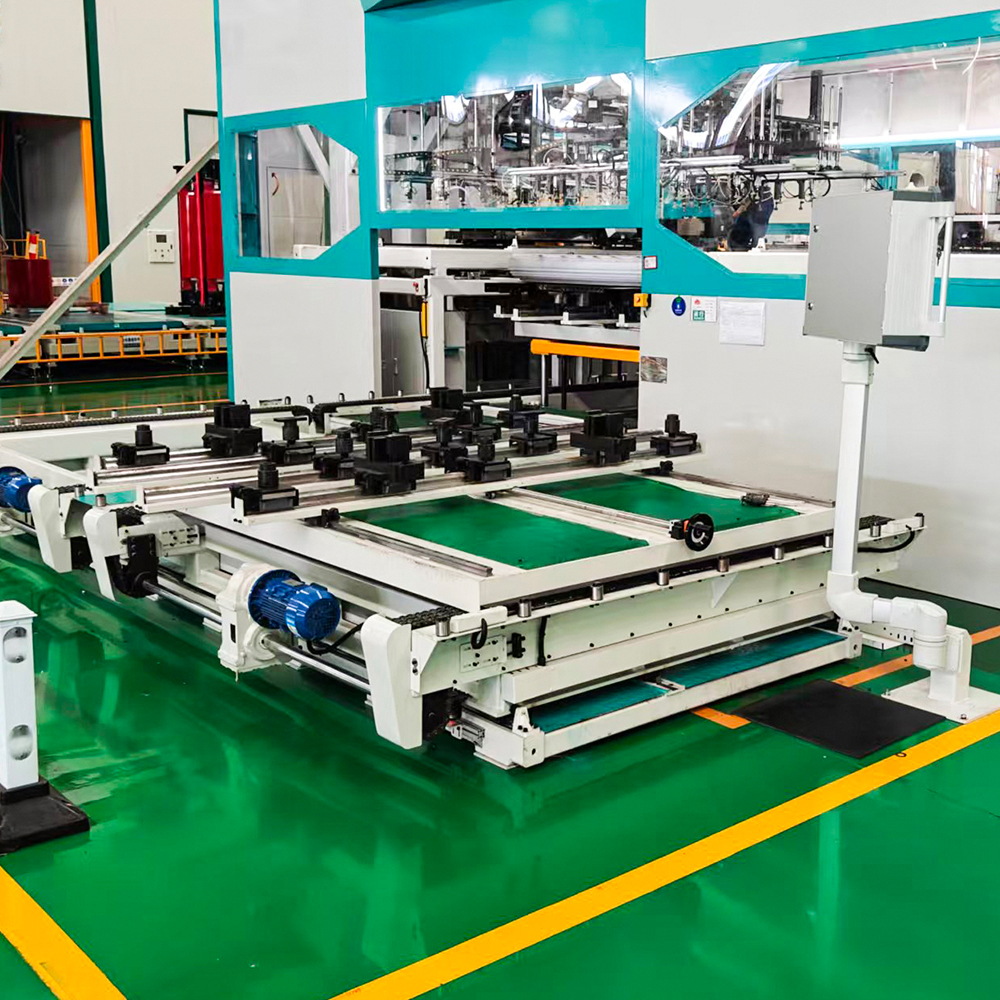
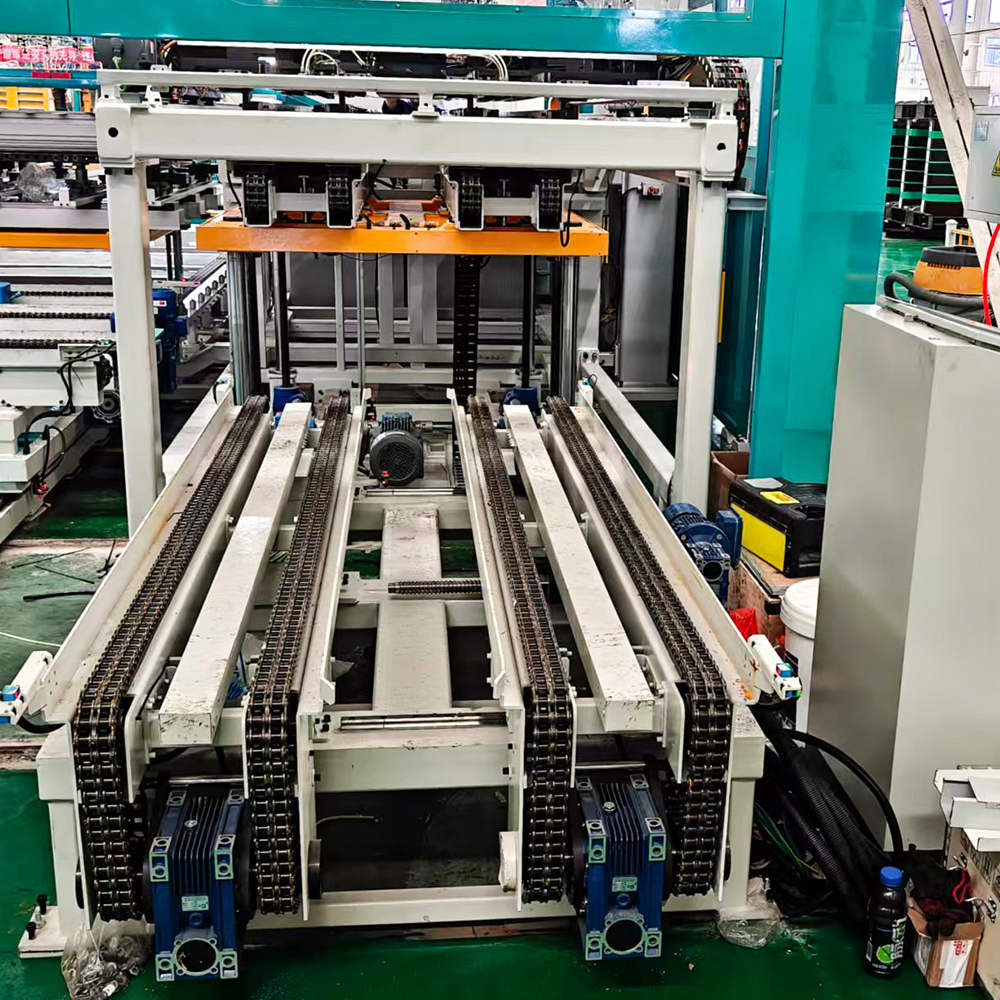
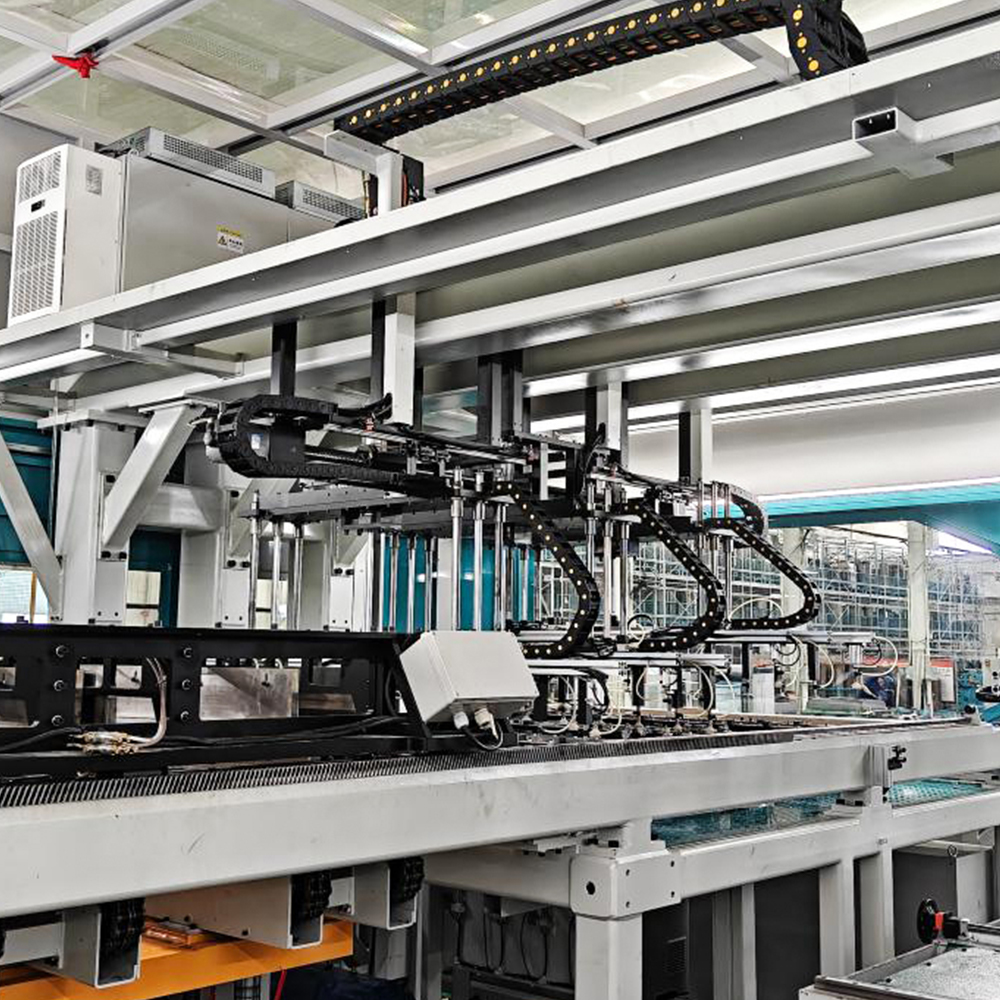
The integration of these techniques requires both advanced machinery—such as intelligent core transverse cutting machines and automated assembly lines—and seasoned technical oversight. Jiangsu Jingtianxia Electric Technology Co., Ltd. excels in this domain, having deployed intelligent workshop warehousing systems that ensure traceability and consistency across all production batches. The company's one-stop supporting solutions encompass not only core fabrication but also the full spectrum of post-processing, quality inspection, and logistics, thereby delivering unparalleled value to global power industry customers.

5. Frequently Asked Questions

Q1: What is the difference between conventional silicon steel cores and amorphous cores in terms of loss behavior?

Conventional silicon steel cores exhibit moderate hysteresis and eddy current losses due to their crystalline structure and typical lamination thickness of 0.27–0.30mm. Amorphous cores, by contrast, have a non-crystalline atomic arrangement that almost eliminates hysteresis loss, and their extremely thin ribbons (0.025mm) drastically reduce eddy current losses. As a result, amorphous cores can achieve no-load losses that are 60–75% lower than conventional designs, though they come with higher material cost and more stringent handling requirements.

Q2: How does Jiangsu Jingtianxia Electric Technology Co., Ltd. ensure low core loss in its products?

Jiangsu Jingtianxia Electric Technology Co., Ltd. employs a multi-pronged approach: sourcing premium grain-oriented silicon steel from top domestic and international brands, utilizing high-precision slitting and shearing equipment, implementing strict quality control at every stage, and applying advanced stacking and binding techniques to minimize internal stress. Their no-load loss can consistently achieve negative deviation from national standards, and their automated production lines ensure repeatability and scalability for large-volume orders.

Q3: Can an oil-immersed transformer core be retrofitted or upgraded to reduce losses?

In most cases, replacing an existing core is not economically practical due to the extensive redesign required for winding clearances, tank dimensions, and cooling pathways. However, utilities often opt for core replacement during major refurbishment or when upgrading to higher efficiency standards. For new installations, selecting a core with lower loss characteristics—such as Hi-B or amorphous grades—from a reputable supplier like Jiangsu Jingtianxia Electric Technology Co., Ltd. is the most effective strategy.

Q4: What role does core loss play in the total cost of ownership for a transformer?

Core loss contributes directly to the transformer's no-load loss, which is incurred 24/7 throughout the equipment's operational life. Over a typical 25–30 year service life, the cumulative energy cost of core loss can rival or even exceed the initial purchase price of the transformer. Therefore, investing in a higher-efficiency oil-immersed transformer core—even at a moderate upfront premium—often yields a positive return on investment within 3–5 years, followed by decades of sustained savings.

Q5: How does the thickness of silicon steel affect core loss in oil-immersed transformers?

Thinner steel laminations, such as 0.23mm versus 0.30mm, reduce the eddy current loss component because the circulating current path length is shortened and the electrical resistance between laminations is higher. However, thinner steel also increases manufacturing complexity and cost. The optimal thickness depends on the target loss level and the transformer's rated frequency. For standard 50/60Hz applications, 0.27mm offers a balanced trade-off, while 0.23mm is preferred for ultra-high-efficiency designs.

In conclusion, core loss in an oil-immersed transformer core is a multifaceted phenomenon governed by material properties, geometric design, and manufacturing precision. With the advent of advanced grain-oriented steels and amorphous alloys, coupled with state-of-the-art production technologies, the industry is steadily pushing the boundaries of what is achievable. Manufacturers like Jiangsu Jingtianxia Electric Technology Co., Ltd. stand at the forefront of this evolution, offering a comprehensive portfolio that ranges from conventional silicon steel cores to next-generation amorphous solutions. By leveraging their deep technical expertise, intelligent production systems, and unwavering commitment to quality, they empower the global power sector to build more efficient, reliable, and sustainable energy infrastructure. For those seeking to optimize transformer performance, understanding core loss—and selecting the right core partner—is an indispensable step toward long-term operational excellence.